
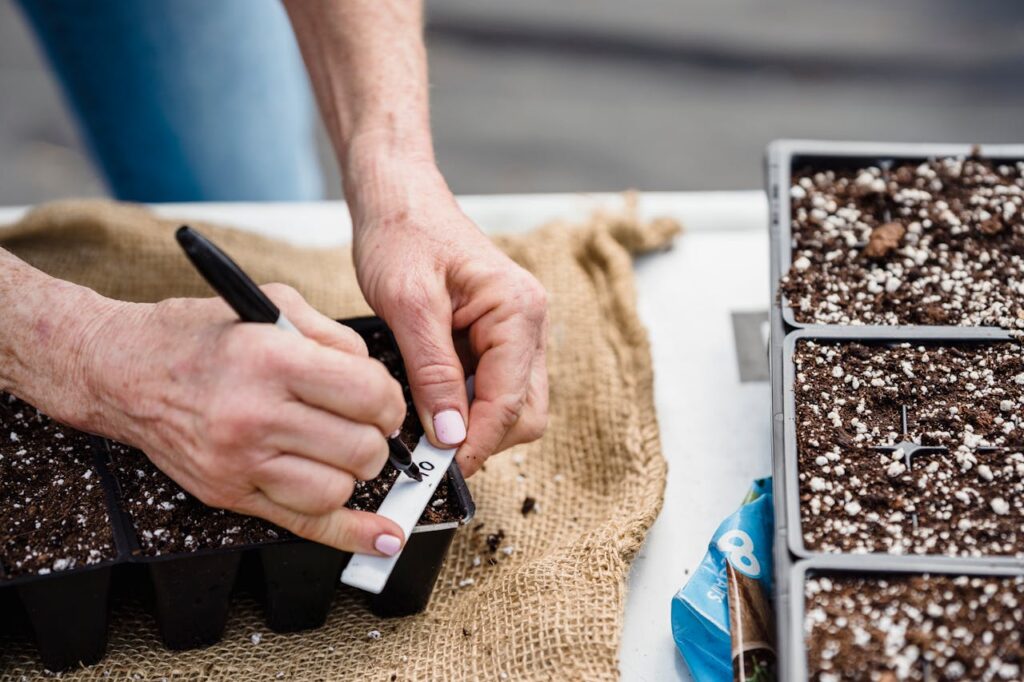
Buying new plants is one of the most exciting parts of starting a home garden, but it is also where many beginners make avoidable mistakes. A lot of people choose plants based only on how healthy they look, how pretty the leaves are, or whether the plant is something familiar. While that is understandable, the small label attached to the plant often tells you the most important information you need before taking it home. If you learn how to read plant labels properly, you can save yourself a lot of frustration, avoid buying the wrong plant for your space, and make much better choices for your home garden in Malaysia.
The first thing to look for on a plant label is the plant name. This sounds obvious, but it matters because common names can sometimes be confusing. A nursery may use one name, while another seller may call the same plant something else. If the label includes both the common name and scientific name, that is even better because it helps reduce confusion. Knowing the correct plant name also makes it easier for you to search for care tips later, especially if you want to understand watering, pruning, or harvesting needs in more detail.
Next, check the light requirement. This is one of the most important things beginners often overlook. The label may say full sun, partial sun, or shade. These words matter a lot. If you buy a plant that needs full sun but your balcony only gets a little morning light or mostly shade, the plant may struggle from the start. On the other hand, a plant that prefers gentler light may suffer if you place it under harsh all-day sun. Before buying, compare the light requirement on the label with the actual light conditions at your home. This simple step can prevent many beginner failures.
Another useful detail is the watering requirement. Some plant labels mention whether the plant likes consistently moist soil, moderate watering, or drier conditions between watering. This gives you a basic idea of how demanding the plant might be. Beginners often assume all plants should be watered the same way, but that is not true at all. Reading the label helps you understand whether the plant is likely to suit your habits and your setup. If you know you are prone to overwatering, for example, you may want to be extra careful with plants that dislike soggy roots.
You should also pay attention to the plant’s mature size. This tells you how big the plant may grow over time, not just how small it looks now in the nursery pot. Beginners often buy plants thinking they will stay compact forever, only to realise later that the plant needs a much bigger pot, more space, or stronger support. The label may mention height, spread, or general growth habit. This is especially useful if you are gardening in a balcony, porch, or other limited space where planning ahead matters.
Some labels also mention whether the plant is suitable for containers, edible use, indoor growing, or outdoor planting. These notes are very helpful because they tell you where the plant is likely to perform best. If you are building an edible garden, make sure the plant is actually suitable for what you want to do. If the label says it prefers outdoor sun and airflow, it may not be happy in a dark indoor corner no matter how nice it looked at the nursery.
It is also smart to use the label as a starting point, not the full story. Some labels are very detailed, while others are basic and general. If the label seems unclear, take a moment to ask the nursery staff or do a quick search using the exact plant name. In Malaysia, weather, humidity, and sunlight intensity can sometimes affect how plants behave compared to care instructions written more generally, so a little extra checking can go a long way.
At the end of the day, reading plant labels before you buy is really about making smarter choices. A label helps you understand whether the plant matches your available sunlight, your space, your watering habits, and your overall gardening goals. Instead of buying based on excitement alone, you start choosing with more confidence — and that gives your plants a much better chance of thriving once they get home.
If you are out plant shopping or building your home garden, we would love to see what you picked. Tag @projectharvest.my on Instagram and share your new plants, your setup, and your gardening journey with us — your plant haul might inspire another Malaysian beginner to start growing too.