
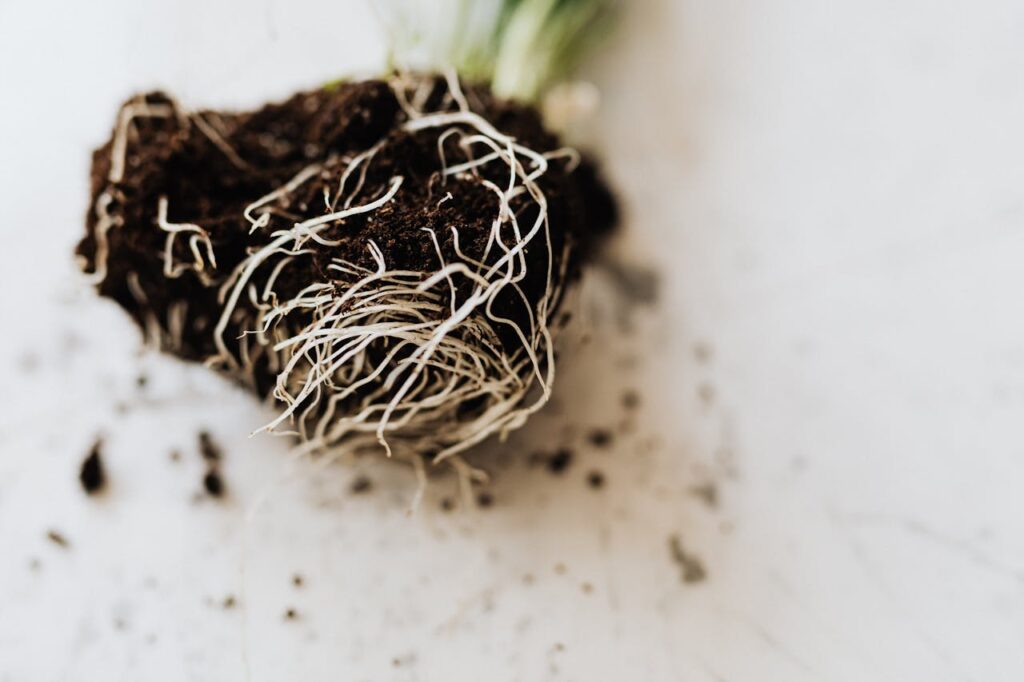
Root rot is one of the most frustrating problems beginner gardeners face during wet weather in Malaysia. A plant that looked healthy a few days ago can suddenly start turning yellow, drooping, softening at the base, or collapsing for no obvious reason. Many people assume the plant needs more water because it looks weak, but that often makes the problem worse. Root rot usually happens when the roots stay too wet for too long and begin to suffocate, weaken, and decay. Once that starts, the plant struggles to take up water and nutrients properly, even though the soil may already be soaked. That is why root rot can feel so confusing at first.
The best way to stop root rot during wet weather is to focus on prevention before the plant starts showing serious damage. The first and most important step is making sure your pots and containers have proper drainage. This sounds basic, but it is one of the biggest reasons plants fail during rainy periods. If water cannot escape quickly, the roots remain trapped in soggy conditions and the risk of rot rises fast. Every pot should have drainage holes, and those holes should not be blocked by compacted soil, trays full of water, or the pot sitting flat on a surface where water cannot flow out properly.
It also helps to use a growing medium that drains well. During wet weather, heavy soil becomes even riskier because it holds more water and stays compacted for longer. For potted gardening, a lighter potting mix is usually much safer than dense garden soil. The roots need moisture, but they also need air. A mix that stays muddy for too long creates the perfect environment for root problems. This is one of the reasons why using the right potting mix matters so much in Malaysia’s humid climate.
Another very important habit is to adjust your watering routine during rainy weeks. Many beginners keep watering on the same schedule they use during hot weather, even when rain has already soaked the soil. This is one of the fastest ways to trigger root rot. During wet weather, always check the soil before watering. If it still feels damp, leave it alone. Just because the top looks dry does not always mean the lower part of the pot is dry too. Stick your finger deeper into the soil and let the actual moisture level guide your decision.
Placement also matters a lot. If your plants are sitting in areas where they get hit by constant rain, consider moving the more sensitive ones into partially sheltered spots. A covered balcony, porch edge, or area near a wall can still provide enough light and airflow while reducing the amount of direct soaking. This is especially useful for herbs, young plants, and any crop that tends to suffer when the soil stays wet for too long. You do not need to keep everything totally dry, but reducing nonstop drenching can make a huge difference.
Raising your pots slightly off the ground can also help prevent root rot. When pots sit directly on wet floors or muddy surfaces, drainage may be slower and excess water may linger around the bottom. Using pot stands, bricks, or a raised rack allows water to flow out more easily and keeps the root zone healthier during prolonged wet weather.
It is also important to watch for early warning signs. Yellowing leaves, drooping despite wet soil, a soft or dark stem base, and a stale or sour smell from the pot can all be signs that the roots are in trouble. If you catch the issue early, you may still be able to save the plant by reducing watering, improving drainage, moving it to a better spot, and removing badly damaged growth. But if the roots are badly rotted, recovery becomes much harder. That is why prevention is always the better strategy.
At the end of the day, stopping root rot during wet weather is about keeping the roots moist but not trapped in soggy conditions. Good drainage, better potting mix, less unnecessary watering, smarter placement, and quick observation can protect your plants far more than most beginners realise. In Malaysia’s climate, wet weather gardening is absolutely possible — you just need to make sure your roots can still breathe.
If you are protecting your plants during rainy weather, we would love to see your setup. Tag @projectharvest.my on Instagram and share your rainy season garden, your plant care tips, and your gardening journey with us — your experience might inspire another Malaysian beginner to grow with more confidence too.