
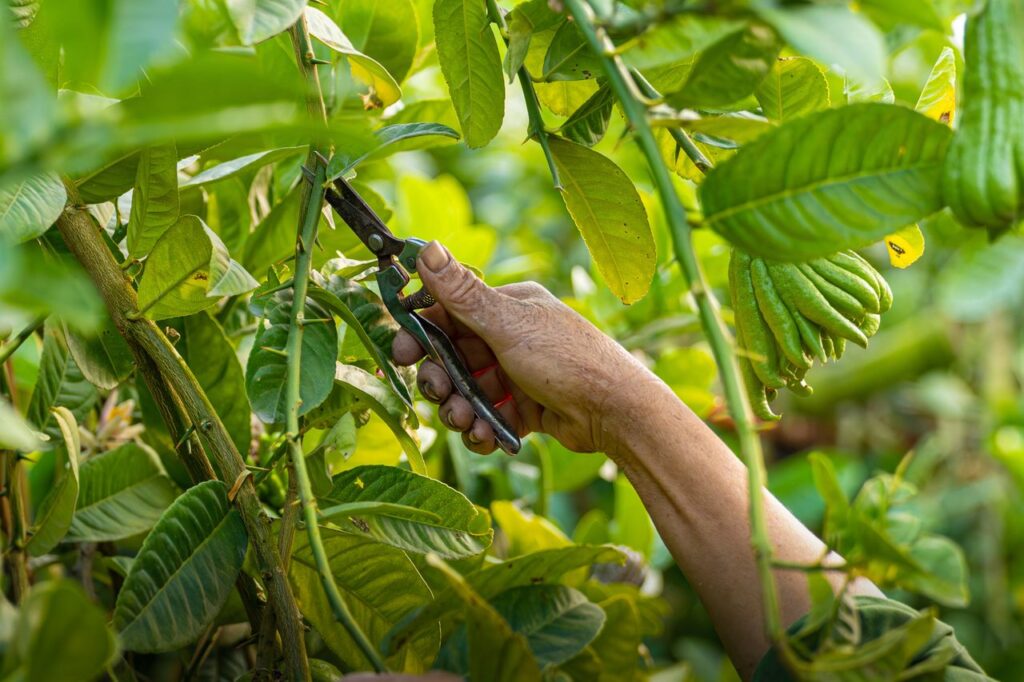
Harvesting is supposed to be one of the most rewarding parts of gardening, but it is also where many beginners accidentally reduce future yield without realising it. A plant may look healthy, the harvest may seem successful, and yet after that, growth slows down, new shoots become weaker, or the plant simply stops producing as well as before. In many cases, the problem is not the plant itself. It is the way the harvest was done. The good news is that once you know the common mistakes, they are easy to avoid.
One of the biggest mistakes is taking too much at once. This happens often with herbs, leafy greens, and even fruiting plants. Beginners sometimes strip a plant heavily because it looks full and ready, but removing too much leaf area at one time can leave the plant stressed and slow its recovery. A better habit is to harvest lightly and regularly instead of doing one big aggressive cut.
Another common mistake is cutting the wrong part of the plant. With leafy greens, if you remove the center growing point instead of taking the older outer leaves first, the plant may stop producing as well. With herbs like basil or mint, plucking random leaves instead of cutting stems above a leaf node can lead to leggy, weaker growth. The goal is not just to take from the plant, but to do it in a way that encourages new growth afterward.
A third mistake is waiting too long to harvest. Many vegetables and herbs are best when they are still tender and actively growing. If you leave ladies’ finger, beans, leafy greens, or herbs too long, they may become tougher, older, and less productive. In some plants, delayed harvesting also signals the plant to slow down because it thinks its job is already done.
Rough handling is another problem. Pulling fruits, snapping stems, or yanking root crops without loosening the soil first can damage the plant or surrounding growth. Using clean scissors, pruning snips, or gentle lifting methods usually gives much better results than forcing the harvest.
It is also easy to ignore timing and plant condition. Harvesting during the hottest part of the day, when plants are already heat-stressed, can make produce wilt faster and put more strain on the plant. Morning is usually a better time for many crops, especially leafy greens and herbs.
At the end of the day, harvesting well is not only about getting food from the garden. It is also about protecting future growth. When you harvest gently, regularly, and from the right parts of the plant, your garden usually gives back much more over time.
If you are harvesting from your home garden, we would love to see it. Tag @projectharvest.my on Instagram and share your harvests, your edible garden, and your gardening journey with us — your home garden might inspire another Malaysian beginner to start growing too.