
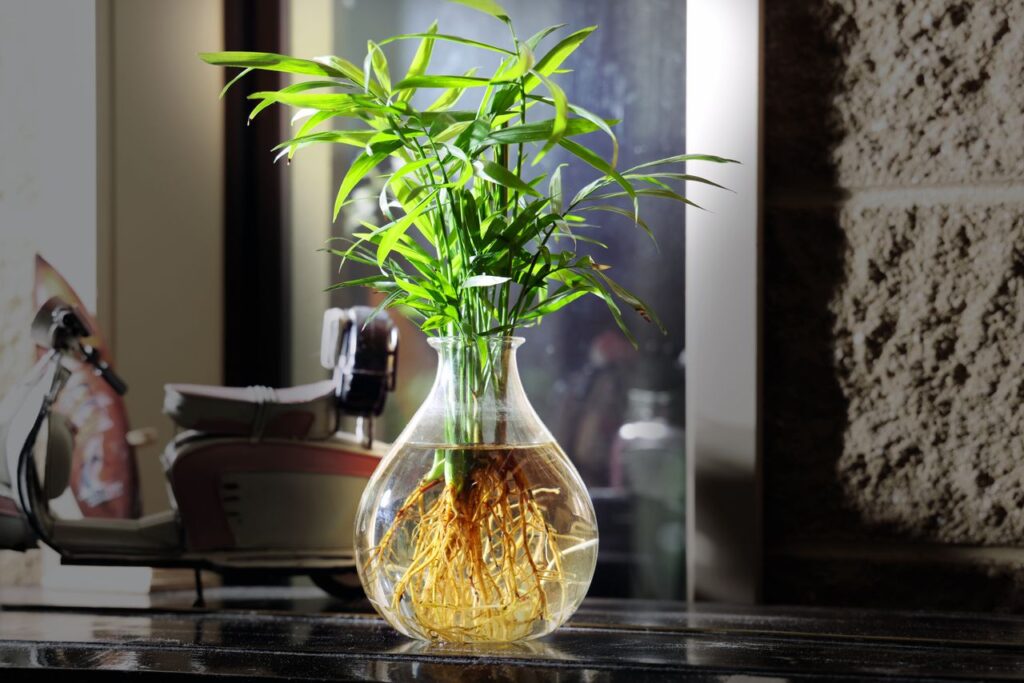
oot rot is much easier to prevent than to cure. It usually develops when plant roots remain wet for too long and do not receive enough oxygen. Once the roots begin to decay, the plant may show yellow leaves, wilting, slow growth, leaf drop, or a soft and darkened stem base. Because these symptoms often appear only after the roots are already damaged, prevention is the safest approach.
Start with a pot that has proper drainage holes. Decorative containers without drainage may look attractive, but they can trap water around the roots. If you use an outer decorative pot, remove any collected water after watering. Raising containers slightly above the ground can also help excess water escape more easily.
The growing mix matters too. Heavy soil that becomes dense and sticky can remain wet for long periods, especially during Malaysia’s rainy weather. Use a suitable, well-draining potting mix for container plants instead of filling pots with compact garden soil. Ingredients such as coarse organic material, perlite, rice husk, or other suitable drainage components may help create air spaces, depending on the plant.
Water according to the condition of the soil rather than following a strict daily schedule. Check the upper layer before watering and consider the plant type, pot size, weather, and sunlight. During wet weeks, plants may need much less water than usual. Water thoroughly when needed, but always allow the excess to drain away.
Avoid placing a small plant in an excessively large pot. A large volume of unused soil can stay wet for too long because the young root system cannot absorb the moisture quickly. Choose a container that suits the current size of the plant and move up gradually as it grows.
Good airflow and suitable light also help the soil dry at a healthier rate. Do not crowd pots so tightly that moisture remains trapped around them. Remove fallen leaves and other wet debris from the soil surface, and keep mulch away from the plant’s main stem.
When repotting or buying a new plant, inspect the roots whenever practical. Healthy roots are usually firm, while rotting roots may appear brown, mushy, or smell unpleasant. Use clean pots and avoid reusing contaminated soil from a badly rotted plant.
At the end of the day, preventing root rot comes down to four basics: good drainage, suitable soil, careful watering, and enough airflow. Healthy roots need moisture, but they also need oxygen. Giving them both creates a stronger and more resilient plant.
If you are improving drainage and protecting plant roots in your home garden, we would love to see your setup. Tag @projectharvest.my on Instagram and share your pots, soil mix, watering habits, and gardening journey with us — your experience might help another Malaysian beginner prevent root rot before it becomes a serious problem.