
Gardening with children does not need to begin with complicated plants or a large backyard. A few pots, some soil, and plants that grow quickly can turn gardening into a hands-on family activity. Children are often more excited when they can see changes happening, touch the leaves, water something themselves, and eventually harvest what they have grown. Gardening programmes for children often recommend easy, quick-growing plants for exactly this reason.
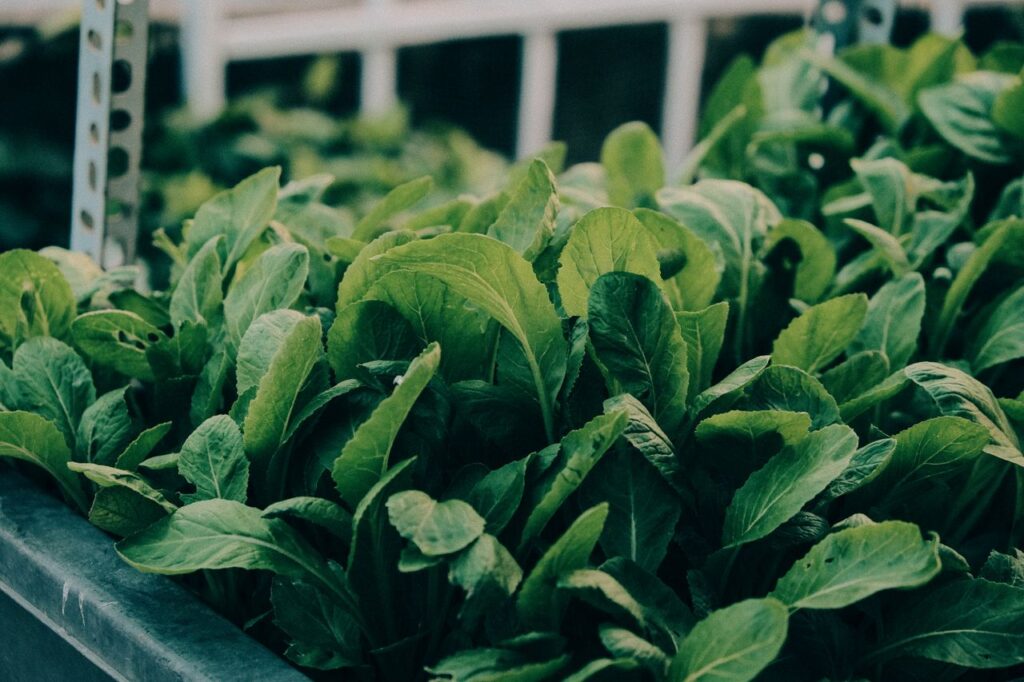
Kangkung is a fun edible plant to try in Malaysian homes because its growth can be easy for children to observe. Grow it in a suitable container, keep it consistently watered, and let the kids watch new leaves develop before helping with the harvest.
Bayam is another useful leafy vegetable for a family garden. Children can learn how seeds become seedlings and eventually turn into something that can be cooked for the family. Starting with vegetables that eventually appear on the dinner table also helps connect gardening with where food comes from.
For something fragrant, grow basil or mint. Children can gently smell the leaves, compare the different scents, and help with harvesting. Basil can also be pinched regularly to encourage bushier growth. Mint is best kept in its own pot because it can spread quickly.
Spring onions are great when space is limited. They can grow in containers and allow children to watch the leaves become taller over time. Give each child their own small labelled pot and let them take responsibility for checking it.
For colour and excitement, try sunflowers. Their large seeds are easier for young children to handle than very tiny seeds, and watching the plants grow taller can become a fun family challenge. The RHS specifically recommends sunflowers among easy flowers to grow from seed with children.
The most important part is to keep the experience simple. Start with only two or three plants instead of creating a huge children’s garden immediately. Give kids small jobs such as watering, checking for new leaves, measuring plant height, or helping harvest. Always supervise young children around gardening tools, fertilisers, pest-control products, and unfamiliar plants.
At the end of the day, gardening with kids is less about producing the perfect harvest and more about helping them become curious about plants, food, insects, and nature. Choose easy plants, celebrate small changes, and let children participate in the process.
If you are growing plants together as a family, we would love to see your little gardeners in action. Tag @projectharvest.my on Instagram and share your family garden, favourite kid-friendly plants, harvests, and growing journey with us — your experience might inspire another Malaysian family to start planting together too.