
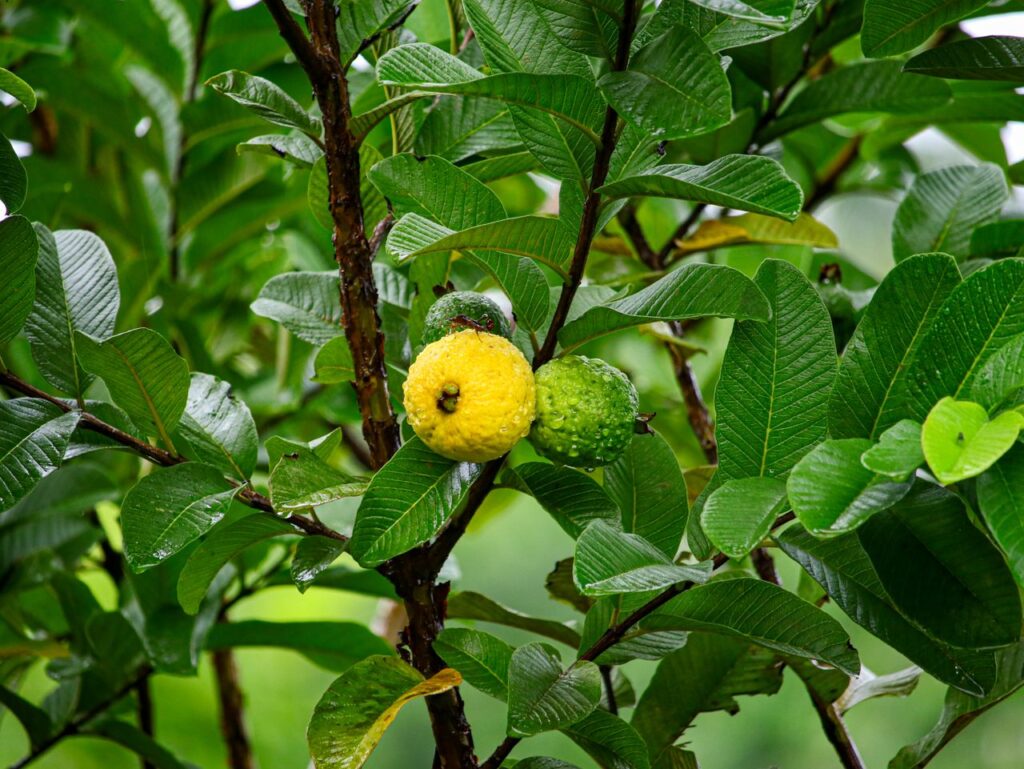
Air layering is one of the most useful propagation techniques for home gardeners who want to copy an existing fruit tree without starting from seed.
The method works by encouraging a branch to produce roots while it is still attached to the parent tree. Once enough roots have formed, the branch is cut below the rooted section and planted as a new tree.
For Malaysian gardeners, air layering can be a practical way to propagate suitable fruit trees such as guava, citrus, fig, mulberry, pomegranate, and several other woody plants.
However, not every fruit tree responds equally well, and air layering is not always better than buying a grafted nursery plant.
The key is knowing which trees are good candidates and carrying out the process carefully.
Why Air Layer a Fruit Tree?
There are several reasons.
First, the new plant is genetically identical to the parent tree.
If you have a guava producing fruit you really like, air layering allows you to preserve those genetics.
Second, the new plant starts from mature branch tissue rather than from a seedling.
That can reduce some of the juvenile period associated with seed-grown trees.
Third, the branch remains supported by the parent tree while roots develop.
This gives air layering an advantage over ordinary stem cuttings, especially with woody fruit plants that are difficult to root once detached.
Which Fruit Trees Are Good Candidates?
Air layering is most useful on fruit trees that naturally respond well to producing roots from woody branches.
Good home-garden candidates often include:
guava,
fig,
mulberry,
pomegranate,
and some citrus.
Other species may also work, but success can vary by variety and growing conditions.
Some tropical fruit trees may technically be air layered but are usually more reliably propagated through grafting, budding, or another nursery technique.
For example, mango can sometimes root through air layering, but grafted mango trees are often preferred because they combine a selected fruiting variety with a suitable rootstock.
The same principle can apply to citrus.
An air-layered citrus plant grows on its own roots, while a grafted citrus tree may benefit from a rootstock selected for vigour, soil tolerance, disease resistance, or size control.
Choose the Parent Tree Carefully
Do not air layer a branch simply because the tree is available.
The parent tree should be healthy.
Avoid trees showing:
severe pest infestation,
major fungal disease,
dieback,
serious nutrient deficiency,
or major drought stress.
If the tree is struggling, fix the underlying problem first.
Propagation works best when the parent plant has enough energy to support both its own growth and the developing air layer.
Choose the Right Branch
A good branch should be healthy, accessible, and strong enough to support the rooting bundle.
For many home applications, a branch somewhere around pencil thickness to finger thickness is manageable.
Avoid very soft new shoots.
Avoid extremely old, thick structural branches.
A medium-aged branch with healthy leaves is usually easier to work with.
Also avoid choosing a branch that would badly disfigure the tree if you later remove it.
Remember that successful air layering ends with that branch being cut off.
Choose a branch the tree can afford to lose.
Avoid Fruiting Branches Where Possible
A branch carrying a heavy fruit load is not the best candidate.
Root formation requires energy.
Fruit development also requires energy.
If possible, choose a healthy non-fruiting branch or remove developing flowers and fruit from the selected branch before starting the air layer.
This allows the plant to direct more resources towards root formation.
When Is the Best Time to Air Layer in Malaysia?
Unlike temperate gardening, Malaysia does not have a strict spring-only propagation window.
Warm conditions allow air layering to be attempted through much of the year.
However, timing still matters.
Choose a period when:
the tree is actively growing,
the weather is not excessively dry,
and prolonged heavy rain is not expected.
Extremely wet conditions can make the rooting bundle difficult to manage.
Very hot, dry periods may increase moisture stress.
A relatively stable period with active plant growth is ideal.
Prepare Your Tools First
Before touching the branch, prepare everything.
You may need:
a clean sharp knife,
pruning shears,
moist sphagnum moss or another suitable rooting medium,
clear plastic,
ties, tape, or cable ties,
optional opaque covering material,
and rooting hormone if appropriate.
Do not start cutting bark and then leave the branch exposed while searching for plastic.
Preparation keeps the process clean and efficient.
Step 1: Select the Air-Layering Point
Choose a straight section of branch with healthy foliage above it.
Leave enough branch above the selected point to support photosynthesis.
The air layer should not be positioned so close to a fork or trunk that wrapping becomes difficult.
You want enough working space to create a secure bundle.
Step 2: Remove a Ring of Bark
Using a clean sharp knife, make two shallow circular cuts around the branch.
Space them roughly 1 to 3 cm apart, depending on branch thickness.
Join the two cuts with a vertical slit.
Then carefully peel away the ring of bark between them.
The goal is to expose the underlying wood while removing the bark and cambium around the branch.
Do not cut deeply into the wood itself.
You are interrupting the downward flow through the bark tissue, not weakening the branch structurally.
Step 3: Scrape the Cambium Gently
After removing the bark, you may see a slippery greenish layer.
This is cambium tissue.
Gently scrape this layer away from the exposed ring.
If too much cambium remains, the plant may simply heal the bark across the wound instead of producing roots.
The surface should look clean and woody.
Do not aggressively carve into the branch.
Step 4: Apply Rooting Hormone if Appropriate
Some fruit trees root readily without hormone.
Others may benefit from it.
If you choose to use rooting hormone, select a product labelled for woody cuttings or air layering and follow the instructions.
Apply only where recommended.
More hormone does not automatically mean more roots.
Do not improvise with concentrated products or household substances simply because they are described online as natural rooting stimulants.
Step 5: Add Moist Rooting Material
Sphagnum moss is commonly used because it holds moisture while still allowing some air.
Moisten it beforehand.
It should feel damp, not dripping.
Wrap a generous handful around the exposed section.
The entire wounded area should be surrounded.
A clean cocopeat-based medium may also work in some setups, but it must remain airy and not become waterlogged.
For beginners, sphagnum moss is often easier to manage because it stays in place well.
Step 6: Wrap It Securely
Cover the rooting material with clear plastic.
Wrap both ends securely with ties or tape so the medium stays moist.
The bundle should be firm enough that it does not slide down the branch.
At the same time, avoid tying so tightly that you crush the branch.
Clear plastic allows you to see root development later.
However, in strong Malaysian sun, the bundle can heat up.
You can add an outer layer of foil, paper, or another light-blocking material if the branch receives intense sun.
Remove the outer cover temporarily when you want to inspect root development.
Keep Rainwater Out
Malaysia’s heavy rain makes wrapping quality especially important.
Water should not constantly enter the bundle from above.
If rain leaks inside, the rooting medium may become saturated.
That can reduce oxygen and encourage decay.
After major storms, inspect the air layer.
Make sure:
the plastic is intact,
the ties have not loosened,
and the bundle has not filled with water.
Keep the Rooting Medium Moist
The moss should stay moist throughout the rooting process.
A well-sealed bundle may retain enough moisture for a long period.
If it begins drying out, carefully open a small section and add a little clean water.
Do not flood it.
Then reseal the bundle.
Avoid repeatedly opening and closing it just to check progress.
Disturbance can damage developing roots and cause unnecessary drying.
How Long Will Roots Take?
There is no universal answer.
Some fruit trees may begin producing visible roots within several weeks.
Others may take a few months.
Species, branch maturity, temperature, parent-tree health, and weather all affect rooting time.
This is why patience matters.
Do not cut the branch off simply because a fixed number of weeks has passed.
Wait until you can see a useful root system.
What Does a Ready Air Layer Look Like?
A successful air layer should show multiple healthy roots growing through the rooting medium.
Ideally, roots should be visible around a reasonable portion of the bundle rather than one single root.
The new plant will need those roots to support all the foliage above once you remove it from the parent.
If you see only one or two short roots, wait longer.
Cutting too early is one of the easiest ways to lose an otherwise successful air layer.
Step 7: Cut Below the Rooted Section
Once the root system is sufficiently developed, use clean, sharp pruning shears or a saw to cut the branch below the rooted bundle.
Support the branch as you cut.
Do not let it fall to the ground.
The new roots are delicate and can break if the branch drops or swings suddenly.
Once removed, keep the root ball protected.
Step 8: Remove the Plastic Carefully
Remove the outer wrapping and plastic without pulling apart the rooting material.
The roots may have grown directly into the moss.
Leave the moss around them.
Do not wash it away.
Do not untangle every root.
Treat the rooted bundle as one intact root ball.
The less disturbance at this stage, the better.
Step 9: Pot the New Tree First
For most home gardeners, it is safer to establish the new air layer in a container before planting it permanently in the ground.
Choose a pot large enough to hold the new root ball comfortably.
Use a well-draining growing medium appropriate for fruit trees.
Plant the rooted section at a sensible depth.
Do not bury the stem excessively.
Water thoroughly.
Allow excess water to drain.
Reduce Top Growth if Necessary
The new plant may have a relatively large leafy branch supported by a fairly small root system.
Depending on the size of the air layer, you may reduce some foliage or shorten excessively long shoots.
Do not strip the plant bare.
It still needs leaves for photosynthesis.
The goal is simply to reduce water demand while the roots establish.
For smaller air layers with strong root development, heavy pruning may not be necessary.
Protect the New Plant from Harsh Sun
Do not cut an air layer from the tree and immediately place it in full Malaysian afternoon sun.
Although the branch previously received strong light, it was supported by the entire root system of the parent tree.
Now it has only a small newly developed root system.
Keep the new plant in bright shade or gentler light while it adjusts.
Over the following weeks, gradually increase sun exposure according to the species.
Keep Moisture Consistent
The new root system is still limited.
Do not allow the potting mix to dry severely.
At the same time, do not keep it permanently saturated.
Good drainage is critical.
Check the root zone regularly.
Once you see healthy new growth and the plant begins using water more normally, gradually move towards the usual watering pattern for that fruit tree.
Avoid Heavy Fertiliser at First
Do not try to force growth immediately with a strong fertiliser dose.
The new roots need time to establish.
Concentrated fertiliser can stress young roots.
Use a suitable potting medium and allow the plant to settle.
Once healthy new growth begins, resume a normal feeding programme appropriate for the species.
How Long Before Planting in the Ground?
This depends on how quickly the air layer establishes.
Do not rush.
Wait until the plant shows:
healthy new growth,
good leaf condition,
stable water uptake,
and signs that the root system has expanded into the potting medium.
For some plants, this may take several weeks or longer.
A tree that looks stable in a pot is much better prepared for permanent planting than one moved twice within a few days.
Air-Layered Trees May Have Different Root Systems
This is an important consideration.
A grafted tree may have a strong rootstock selected specifically for anchorage, disease tolerance, soil adaptation, or vigour.
An air-layered tree grows on roots produced by the fruiting variety itself.
Those roots may be shallower or structurally different.
That does not mean the tree cannot perform well.
But it means air-layered fruit trees may need:
good staking when young,
careful watering,
good soil preparation,
and protection from strong wind.
This matters in small Malaysian home gardens where soil depth and exposure can vary significantly.
Do Not Assume Air Layering Is Best for Every Fruit Tree
Air layering is a useful tool, not a universal solution.
For certain fruit trees, grafted nursery plants may be the better choice.
Grafting allows growers to combine a desirable fruiting variety with a rootstock chosen for particular advantages.
For other plants such as guava, fig, mulberry, or pomegranate, air layering may be practical and rewarding.
Before choosing the method, ask:
Does this species root well by air layering?
Would grafting offer important rootstock advantages?
Is a cutting easier?
Am I trying to preserve a specific parent variety?
The answer will tell you whether air layering makes sense.
Start with One Branch
If this is your first attempt, do not air layer half the tree.
Choose one healthy secondary branch.
Learn the process.
Watch how quickly the moss dries.
See how the tree responds.
Observe how long roots take to appear.
Once you succeed, repeat the technique with more confidence.
Propagation is much easier to learn when mistakes affect one branch rather than the entire plant.
At the end of the day, air layering fruit trees is a practical way to produce a new plant while letting the parent tree support the branch through the difficult rooting stage. The method works particularly well for suitable woody fruit trees and can preserve the exact genetics of a favourite parent plant. In Malaysia’s warm climate, rooting can be very successful, but good moisture control, protection from heavy rain, careful branch selection, and patience are essential. The most important moment is not when you wrap the branch — it is when you wait until the root system is genuinely strong enough before making that final cut.
Trying air layering on a guava, citrus, fig, mulberry, pomegranate, or another fruit tree at home? Tag @projectharvest.my on Instagram and show us your wrapped branches, developing roots, the moment you make the final cut, or how the new tree looks a few weeks later. We would love to see which fruit trees Malaysian home gardeners are successfully cloning one branch at a time.