
Starting a home garden in Malaysia might feel intimidating at first, especially if you have never grown a single plant before. You might be wondering what to plant, how much money you need, whether your house gets enough sunlight, or if the plants will just die after a few days. The good news is this: home gardening does not have to be complicated, expensive, or stressful. In fact, Malaysia’s warm and humid climate gives beginners a huge advantage because many herbs, leafy greens, and tropical plants grow quite well here. You do not need a big backyard, fancy tools, or years of experience to get started. All you really need is a small space, a few basic supplies, and the willingness to learn as you go.
The best way to begin is by starting small. One of the biggest mistakes beginners make is trying to build a full garden immediately. They buy too many plants, too many pots, and too many tools, then feel overwhelmed when everything needs attention at once. A much smarter approach is to begin with just three to five easy plants. This allows you to understand how watering, sunlight, and plant growth work without turning gardening into a burden. For Malaysian homes, beginner-friendly choices include pandan, curry leaf, lemongrass, mint, kangkung, bayam, and chillies. These are useful in the kitchen, familiar to most households, and rewarding to grow because you can actually harvest and use them.
Before buying anything, take a good look at the space you have available. It could be a small balcony, a porch, the side of your house, a sunny window area, or even a corner near the gate. The most important thing to check is sunlight. Most edible plants need at least a few hours of sunlight each day to grow properly. If your space receives morning sun, that is usually a great start. If it is heavily shaded, you may still be able to grow certain herbs and leafy plants, but fruiting plants like chillies and tomatoes may struggle. Do not overthink this part too much in the beginning. Just observe which part of your home gets the most natural light and start there.
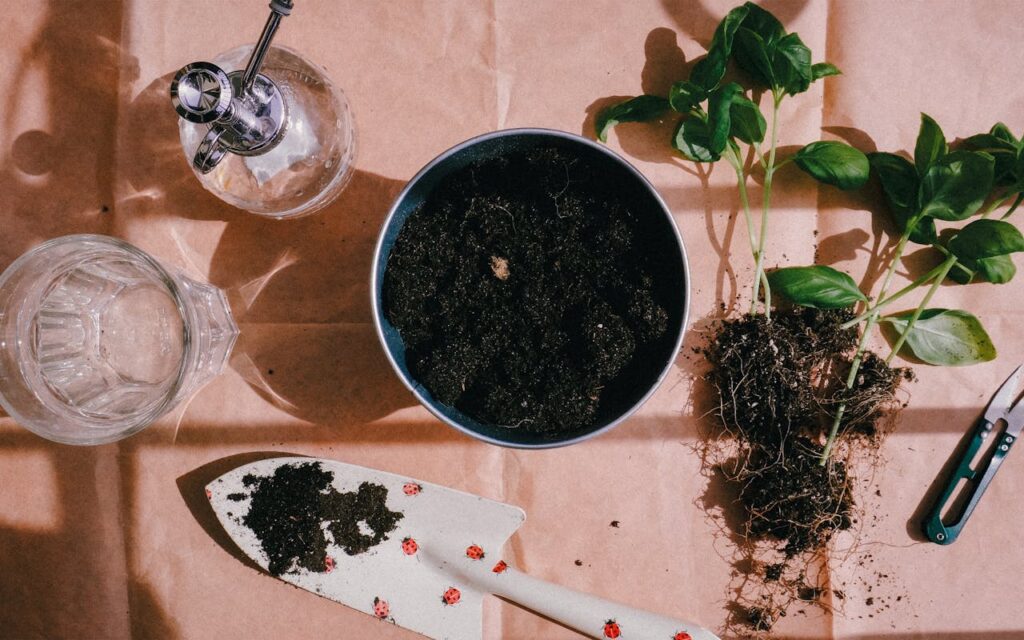
Once you have chosen your space, you only need a few basic items to begin. Get some pots or containers with drainage holes, a good potting mix, a watering can or small pail, and a pair of scissors or garden snips. That is enough for your first mini garden. You do not need to spend a lot of money on decorative pots or advanced gardening gadgets right away. In fact, many beginners do well using simple plastic pots, recycled containers, or grow bags. What matters more is that your plants have proper drainage and decent growing medium. Avoid using random soil from the ground unless you know it is suitable, because heavy soil can cause poor drainage and root problems. A light, well-draining potting mix will give your plants a much better chance.
After setting up your containers, it is time to plant. If you are nervous, start with seedlings or young plants instead of seeds. Seeds can be rewarding, but they often require more patience and care in the early stage. Buying a healthy young plant from a nursery gives you a head start and boosts your confidence faster. When planting, make sure the roots are covered properly, press the soil gently, and water the plant lightly after transferring it into the pot. Place it in your chosen growing spot and avoid moving it around too much after that, especially in the first few days.
Watering is where many beginners either do too much or too little. In Malaysia’s weather, it is easy to assume plants need water all the time, but overwatering can kill plants just as quickly as neglect can. A simple habit is to check the soil with your finger. If the top feels dry, it is usually time to water. If it still feels damp, wait a bit longer. The goal is not to keep the soil soaking wet every day. You want it moist but not waterlogged. Morning is usually the best time to water because the plants have time to absorb moisture before the hottest part of the day. Evening watering can also work, but too much late watering may encourage fungal issues in some situations.
Another important thing to understand is that plants will not be perfect all the time. Some leaves will turn yellow. Some plants may grow slower than expected. A few may even die, and that is completely normal. It does not mean you are bad at gardening. It simply means you are learning. Every home environment is different, and part of becoming a gardener is observing what works in your specific space. Maybe one area gets too much rain, another gets too little sun, or one plant type simply does not suit your home. These early lessons are valuable and will help you improve faster than any theory alone.
To make gardening easier, build a simple routine. Spend five to ten minutes each day checking your plants. Look at the leaves, touch the soil, remove dead leaves, and make sure there are no obvious pest problems. This short daily habit is often enough to prevent bigger problems later. You do not need to turn gardening into a full-time job. The key is consistency. A little attention every day is much better than ignoring the garden for a week and then trying to fix everything at once.
Home gardening in Malaysia can become more than just a hobby. It can save you money on basic herbs, give you fresher ingredients for cooking, reduce stress, and make your home feel more alive. There is also something deeply satisfying about harvesting your own pandan, curry leaf, mint, or chillies right outside your door. That feeling is what keeps many people going. So if you have been thinking about starting, do not wait until you feel fully ready. Start with a few easy plants, learn from the process, and let your garden grow step by step together with your confidence.