
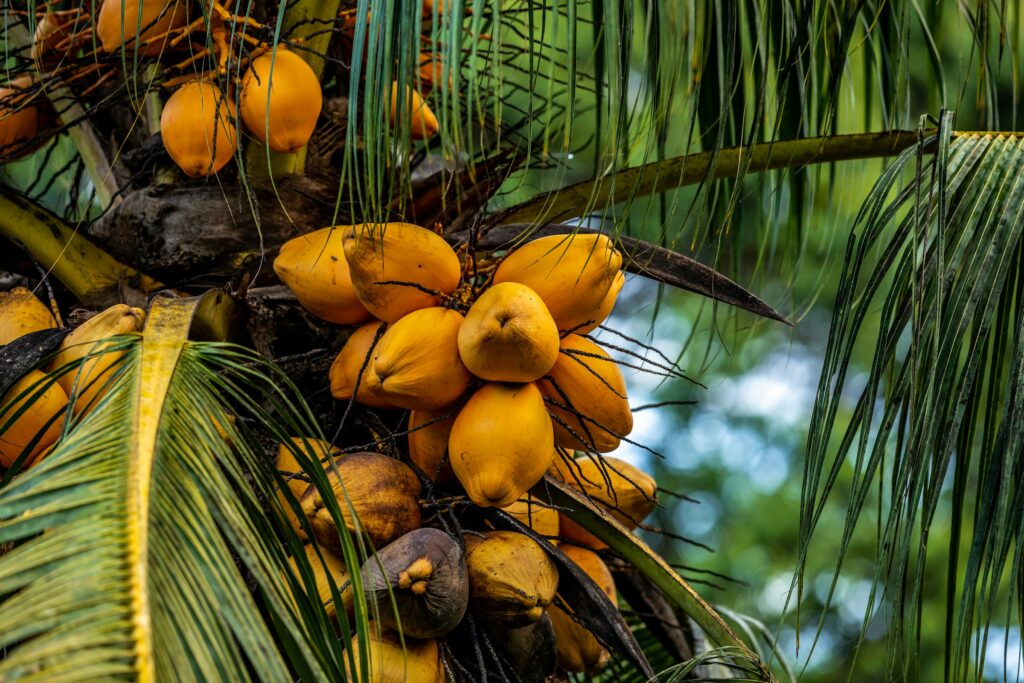
Coconut trees (pokok kelapa) are iconic in Malaysian landscapes — from kampung backyards to beachside resorts. But while they may look carefree, growing and maintaining a healthy coconut tree takes more than just planting a nut and praying for coconut water.
This guide will walk you through the journey: from choosing the right seed, caring for your tree as it grows, and finally — harvesting that sweet, sweet buah kelapa.
🥥 Why Grow Coconut at Home?
- One tree can produce 30–70 coconuts/year
- Used for water, santan, cooking, compost, crafts
- Extremely drought-tolerant
- Long lifespan (up to 60 years!)
- Adds major aesthetic vibes to any kebun
🌱 Step 1: Choose the Right Coconut Variety
| Variety | Features |
|---|---|
| Malayan Tall | Large trees, high yield, long lifespan |
| Dwarf Coconut (Kelapa Pandan) | Shorter tree, fragrant water, faster fruiting |
| Hybrid | Fast-growing, high productivity, popular in commercial farms |
Pro tip: If you want quicker results and easier harvest, go for Kelapa Pandan or hybrid dwarf types.
🌴 Step 2: Planting the Coconut
Starting From Seed:
- Choose a mature, healthy coconut (still in husk)
- Soak in water for 2–3 days
- Lay sideways in soil with ⅔ of nut buried
- Keep in sunny, humid spot
- Sprouts appear in 1–2 months
Transplanting:
- Wait until sprout reaches 30–50cm tall
- Choose a sunny location with deep, well-draining soil
- Dig a 60x60x60cm hole
- Mix compost + topsoil + sand for drainage
- Space: 6–8 meters from other trees or buildings
✅ Coconut trees need full sun and LOTS of space!
💧 Step 3: Watering & Fertilizing
| Stage | Watering | Fertilizer |
|---|---|---|
| 1–6 months | 3x/week | Compost + chicken manure |
| 6–24 months | 2x/week | NPK 15-15-15 + seaweed extract |
| Fruiting stage | Weekly (deep soak) | Banana peel tea + bone meal |
✅ Add mulch (coconut husk, dry leaves) around base to retain moisture
✂️ Step 4: Tree Maintenance & Health
- Remove dried or yellowing fronds regularly
- Watch for fungus or borers near trunk base
- Check leaf color — pale = nutrient deficiency
- Apply neem spray if you spot red mites or scale insects
Pro tip: Paint trunk with lime wash to deter ants and pests!
🍈 Step 5: When & How to Harvest Coconuts
Signs It’s Ready:
- Mature green coconut = for water
- Yellow/brown husk = fully ripe for santan
Harvesting Tools:
- Galah with hook (traditional way)
- Telescopic pole cutter
- Ladder + machete (for dwarf varieties)
Caution: Falling coconuts are dangerous — don’t stand directly below when harvesting!
🧾 Bonus: Uses for Coconut Tree Parts
| Part | Use |
|---|---|
| Water | Refreshing drink, electrolytes |
| Meat | Santan, cooking, snacks |
| Husk | Compost, potting medium |
| Leaves | Wraps, brooms, crafts |
| Trunk | Furniture, building material |
✅ A true zero-waste pokok!
🐛 Common Coconut Tree Problems & Fixes
| Issue | Cause | Solution |
|---|---|---|
| Yellow fronds | Lack of potassium | Add banana peel tea or NPK |
| No fruit | Not enough sun | Relocate or prune nearby trees |
| Falling coconuts too early | Water stress | Deep soak weekly |
| Red mites / borers | Pest infestation | Neem oil + trunk cleaning |
📋 Coconut Tree Care Recap
| Task | Frequency |
|---|---|
| Watering | 1–3x per week |
| Fertilizer | Monthly (organic or NPK) |
| Pruning | Every 1–2 months |
| Harvesting | Every 2–3 months (depending on type) |
| Pest Check | Monthly |
✅ Wrap-Up
Growing your own coconut tree is like raising a green, towering food bank. With a bit of space, sunlight, and the right care, your pokok kelapa can provide food, drink, and shade for decades.
So don’t just admire them at the beach — bring one home to your kebun!
Got your own coconut tree at home? Tag us @projectharvest.my and show us your kelapa babies (bonus points if you’re drinking straight from one 🥥🌴)