
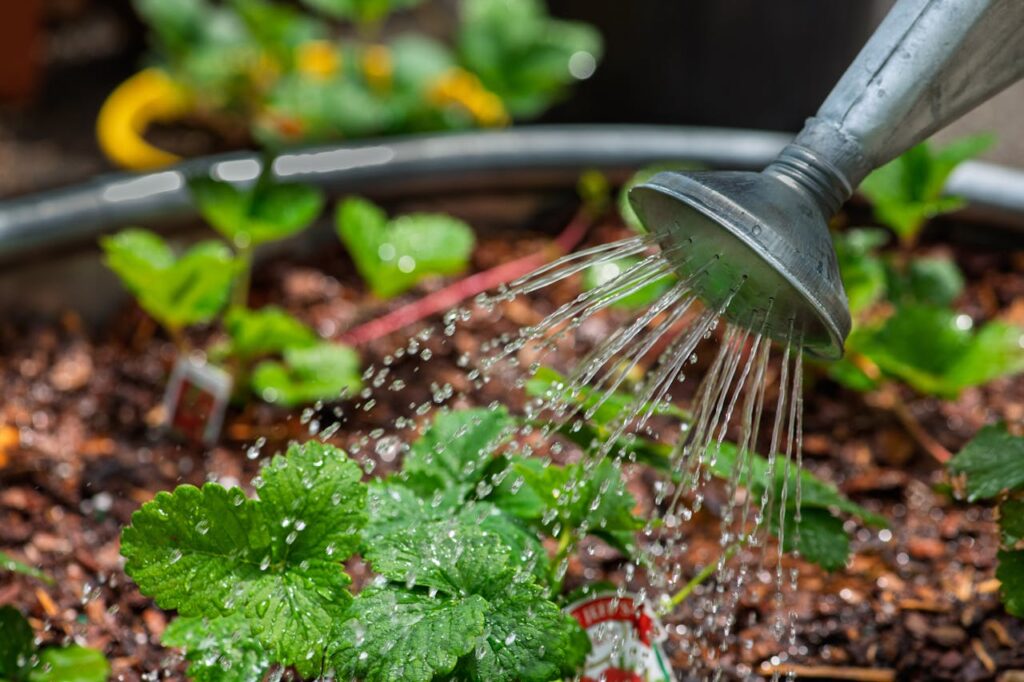
Rainy weeks can be one of the most confusing times for beginner gardeners in Malaysia. On one hand, the weather is wet and the soil often stays damp for longer than usual. On the other hand, not every plant gets soaked equally, especially if some are under shelter, on a balcony, or tucked into protected corners. This is why watering during rainy weeks should never be done on autopilot. The biggest mistake beginners make is continuing the same watering routine they use during hot weather without checking whether the plants actually need it.
The first thing to understand is that rainy weather slows down how quickly soil dries out. When the air is humid and the sun is weaker, moisture stays in the pot for much longer. If you keep watering daily just because that is your normal habit, you may end up overwatering your plants without realising it. This can lead to yellow leaves, drooping, root stress, and even root rot. During rainy weeks, the safest habit is to check the soil before watering. Stick your finger into the top layer of the soil. If it still feels damp, leave it alone. If it feels dry, then water lightly only if needed.
It is also important to remember that not all plants and containers react the same way. Small pots may still dry out faster than larger ones, especially if they are placed under a roof and not getting direct rain. At the same time, bigger containers left out in the open may stay wet for too long if there is frequent heavy rain. This is why observation matters more than routine. A rainy week does not mean all your plants need zero watering, but it usually means they need less frequent watering than during hot and dry conditions.
Another smart adjustment during rainy weeks is to pay attention to drainage. If water is collecting in trays, outer pots, or low areas around the container, it can keep the roots too wet even after the rain stops. Empty trapped water when needed and make sure your pots are draining properly. Plants can survive a lot better in wet weather when excess water is able to escape easily.
You should also watch for warning signs. If leaves start turning yellow, stems feel soft, or the soil smells stale and soggy, your plant may be getting too much water. In these situations, watering less is usually more helpful than trying to “fix” the plant with extra attention.
Rainy weeks are not bad for gardening — they just require a different rhythm. Slow down, check the soil, and let the weather guide your watering decisions instead of sticking to a fixed schedule.
If you are adjusting your garden routine during rainy weather, we would love to see your setup. Tag @projectharvest.my on Instagram and share your rainy week plant care, your garden progress, and your growing journey with us — your experience might help another Malaysian beginner water with more confidence too.