
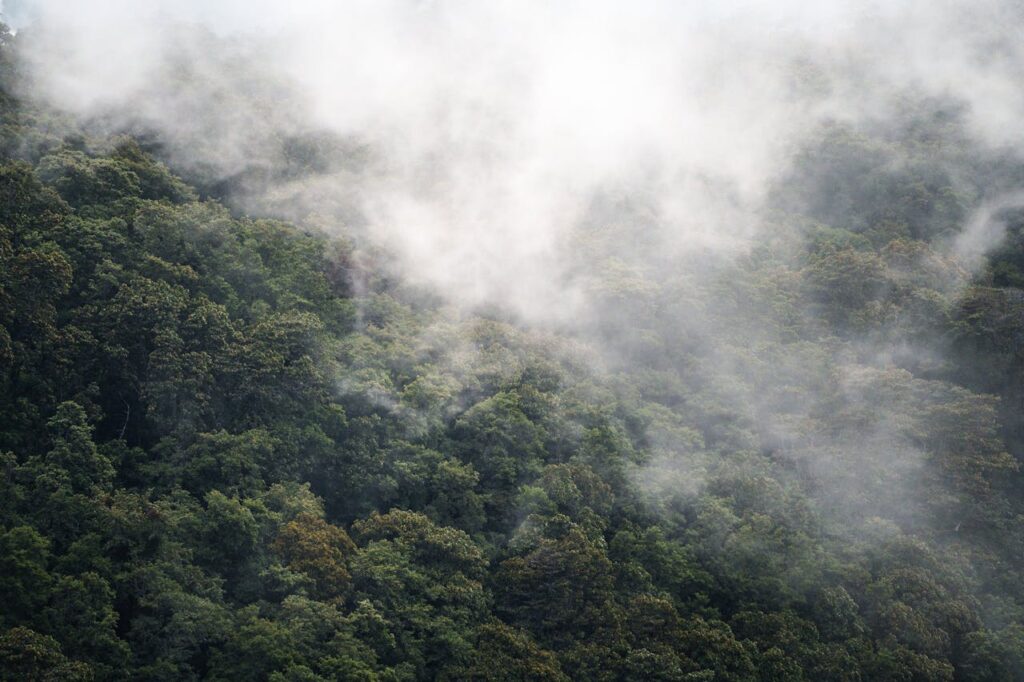
Humidity is one of those gardening factors that many beginners do not think much about at first, but in Malaysia, it plays a huge role in how plants grow and behave. Because our weather is naturally warm and humid, plants are not only dealing with sunlight, rain, and watering, but also with the amount of moisture in the air around them. This can affect how quickly plants lose water, how healthy their leaves stay, how likely they are to develop fungal problems, and even how fast certain pests appear. Once you understand how humidity works, it becomes much easier to understand why some plants seem perfectly happy while others start showing stress for no obvious reason.
In simple terms, humidity is the amount of moisture in the air. When humidity is high, the air already contains a lot of water vapour. This means plants may lose moisture from their leaves more slowly than they would in dry air. For many tropical plants, this is actually a good thing. Plants that naturally come from warm and humid environments often enjoy these conditions and grow well in Malaysia because the air feels familiar to them. This is one reason why plants like pandan, lemongrass, daun kesum, curry leaf, and many leafy greens often adapt better here than plants that prefer dry or cool conditions.
High humidity can help plants by reducing the speed at which they dry out, especially through their leaves. In very dry weather, plants lose moisture quickly and may wilt faster. In humid weather, that process slows down a bit. That sounds like a positive, and often it is, but there is another side to it. When the air stays very moist for long periods, especially in crowded gardens with poor airflow, problems can start to appear. Leaves may stay damp longer, the surrounding environment may feel stuffy, and fungal diseases can spread more easily. This is why high humidity can be both helpful and troublesome depending on the plant and the setup.
One of the most common ways humidity affects plants in Malaysia is through fungal issues and leaf problems. If your garden is too crowded, heavily shaded, or constantly wet from rain and watering, high humidity can create a perfect environment for mould, mildew, black spots, and other fungal problems. This is why airflow matters so much. Even if the plants like humid conditions, they still need breathing space. Leaves that stay wet for too long without airflow are often more vulnerable to disease. A healthy garden is not just about moisture — it is about moisture with balance.
Humidity can also affect your watering habits. Because the air is already moist, some plants may not dry out as quickly as you expect, especially if they are in shade or during rainy periods. Beginners sometimes see warm weather and assume they should water heavily every day, but high humidity can slow down how fast the soil and plant actually lose moisture. That means overwatering can still happen very easily in Malaysia. This is why checking the soil before watering is so important. Humid air does not mean the roots automatically need more water.
Another thing to watch is that certain pests can also become more active in warm, humid conditions. When plants are already slightly stressed from poor airflow, wet leaves, or overcrowding, pests and disease often find it easier to take hold. This does not mean humidity itself causes every problem, but it can create the kind of environment where issues spread faster if the garden is not managed well.
The good news is that you do not need to fight humidity in Malaysia — you just need to work with it. Choose plants that suit tropical conditions, avoid overcrowding, use containers with good drainage, and make sure your plants get decent airflow. If you notice leaves staying wet for too long, or fungal spots appearing, it may be a sign that the space needs better arrangement rather than less moisture overall. Humidity is not the enemy. Poor balance is usually the bigger issue.
At the end of the day, humidity affects your plants by changing how they lose water, how they respond to the air around them, and how easily certain problems can develop. For tropical-friendly plants, Malaysia’s humidity can be a huge advantage. But for gardeners, it is still important to manage airflow, drainage, and watering carefully. Once you understand that, your garden starts to make a lot more sense.
If you are learning how Malaysia’s weather affects your home garden, we would love to see your setup. Tag @projectharvest.my on Instagram and share your plant journey, your tropical garden wins, and your growing tips with us — your experience might inspire another Malaysian beginner to garden with more confidence too.