
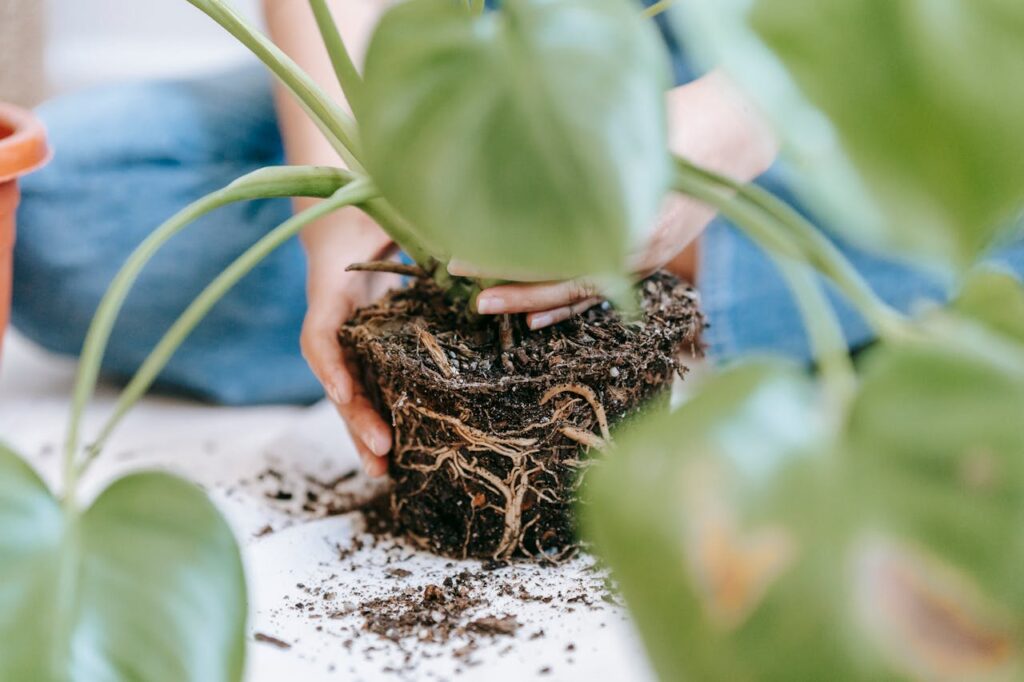
Repotting is one of those gardening tasks that beginners often delay because they are afraid of doing it wrong. It can feel risky to remove a plant from its current pot, disturb the roots, and move it into a new container. But the truth is, repotting is a normal and important part of helping container plants stay healthy. A plant that has outgrown its pot, dries out too quickly, or starts struggling for no obvious reason may simply need more space and fresher growing medium. In Malaysia, where many people grow herbs, leafy greens, and edible plants in pots, knowing when to repot can make a big difference to how well your garden performs.
The good news is that Malaysia’s warm climate gives gardeners a bit more flexibility than places with strong seasonal changes. Since we do not have cold winters in the same way some countries do, there is not just one tiny “safe window” for repotting. However, that does not mean timing does not matter. The best time to repot is usually when the plant is healthy enough to recover well and the weather is not excessively stressful. In practical terms, many gardeners find it easier to repot when the weather is not too harsh — not during the most intense heatwave, and not in the middle of prolonged heavy rain if the plant will struggle to settle.
One of the clearest signs it may be time to repot is when the plant seems to have outgrown its container. You may notice roots circling around the bottom, roots poking out of drainage holes, soil drying out much faster than before, or the plant becoming top-heavy and unstable. Sometimes the plant just stops growing properly even though the light, watering, and general care seem fine. In many cases, this is the plant’s way of telling you it needs more root space or fresher growing medium.
For beginners in Malaysia, the best everyday approach is to repot during a calmer part of the day and avoid doing it under harsh midday sun. Morning or late afternoon is usually better than the hottest part of the afternoon because the plant will be under less stress. If possible, choose a day when the weather is not too extreme. Repotting on a very hot, blazing day or during nonstop rain can make recovery harder, especially for softer herbs and smaller potted plants.
It is also important not to repot just because you feel like giving the plant a prettier pot. Repotting should ideally have a practical reason. If the plant is still healthy, stable, and comfortable in its current container, there may be no need to disturb it yet. On the other hand, if the plant is clearly root-bound or the potting mix has become old, dense, or poorly draining, repotting can give it a much healthier foundation. In Malaysia’s humid climate, fresh and well-draining potting mix is especially helpful because it improves airflow around the roots and reduces the risk of soggy conditions.
When you do repot, try not to jump too far in pot size. Moving a plant into a pot that is slightly larger is usually safer than shifting it into an oversized container. A huge pot can hold too much moisture around a small root system, which may lead to overwatering problems. The goal is to give the roots more room, not to drown them in excess wet soil. After repotting, water the plant gently and give it a little time to settle. Some plants may look slightly stressed for a short while, and that is normal.
It is also wise to avoid major extra stress at the same time. If a plant is already struggling badly from pests, disease, or severe heat stress, repotting may not always be the first fix unless the pot itself is clearly the problem. In some cases, stabilising the plant first may be the better move. Repotting works best when it helps support recovery, not when it adds unnecessary pressure to an already weak plant.
At the end of the day, the best time to repot plants in Malaysia is when the plant actually needs it and the weather gives it a fair chance to recover well. You do not need to be overly afraid of repotting. With the right timing, a slightly bigger pot, and better growing medium, repotting can refresh a tired plant and help it grow much better moving forward.
If you are repotting your plants at home, we would love to see your setup. Tag @projectharvest.my on Instagram and share your repotting progress, your plant care tips, and your gardening journey with us — your experience might inspire another Malaysian beginner to grow with more confidence too.