
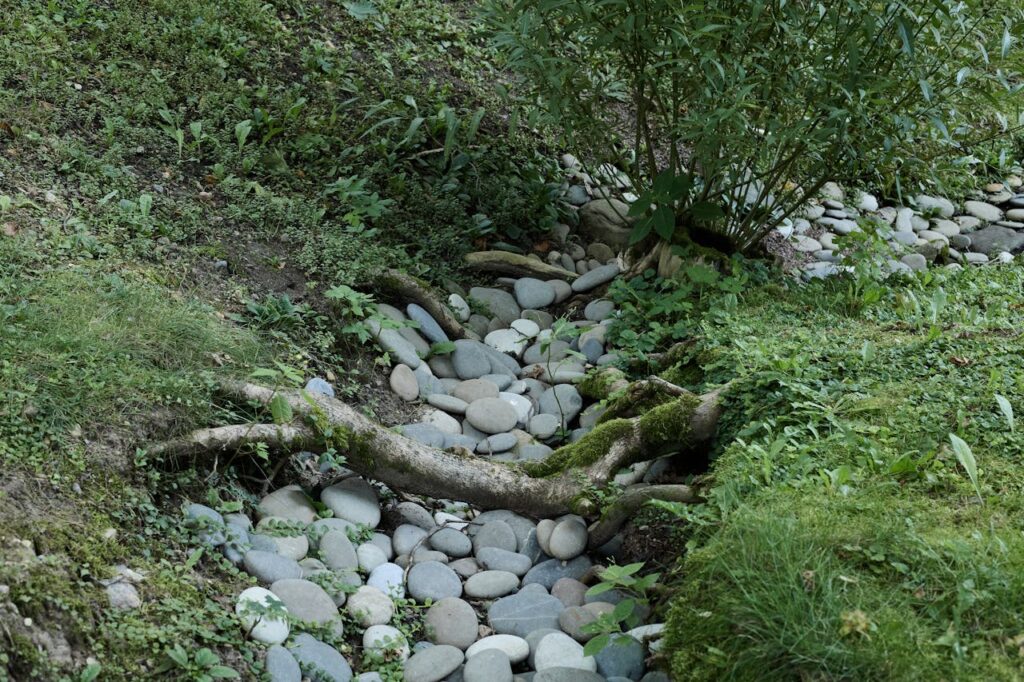
Garden drainage is one of the most important parts of successful gardening in Malaysia, yet it is also one of the things beginners often overlook. A plant can have enough sunlight, decent soil, and regular care, but if excess water has nowhere to go, the roots may still suffer badly. In Malaysia’s climate, where heavy rain, humidity, and long wet spells are common, poor drainage can quickly lead to yellow leaves, weak growth, root rot, fungal issues, and plants that seem to decline for no obvious reason. That is why learning how to manage drainage properly can make a huge difference in keeping your garden healthy.
The first thing to understand is that drainage is not just about rain. It affects your garden all year round. During hot periods, poor drainage can still trap water if you overwater. During rainy periods, the problem becomes even worse because the soil stays wet for longer and the roots struggle to breathe. Healthy roots need moisture, but they also need air. When the growing medium stays constantly soaked, roots begin to weaken and the whole plant starts suffering above the surface.
If you are growing in pots, the most basic but important step is to make sure every container has proper drainage holes. This sounds obvious, but many beginners still use decorative pots without holes or allow holes to become blocked by compacted soil. A pot may look nice, but if excess water cannot escape, the plant is at risk. Good drainage always matters more than appearance. It also helps to avoid letting pots sit in stagnant water collected in trays or outer containers for too long, especially after rain.
Another important factor is the growing medium. Heavy soil tends to hold water for longer and can become compacted, especially in wet conditions. For container gardening, a good potting mix is usually much more beginner-friendly than random ground soil because it allows better airflow and more balanced moisture. In other words, drainage is not only about the pot itself — it is also about what is inside it. A well-draining pot with poor, dense soil can still cause trouble.
Placement also plays a big role in how water behaves in your garden. Some areas of a home naturally collect more rainwater than others. A low corner, a flat surface with poor runoff, or a balcony section that receives direct heavy rain can all create drainage issues. This is why it is useful to observe your space during or after rain. Notice where water tends to collect, which pots stay wet longest, and whether some plants are being exposed to much more soaking than others. Once you understand your space, you can place more sensitive plants in slightly more sheltered positions.
Raising pots slightly off the ground can also help. Pot stands, bricks, shelves, or even simple racks can improve drainage by allowing water to flow out more freely. When pots sit directly on wet surfaces, the drainage holes may not work as effectively and moisture can linger around the base. This small adjustment can make a surprisingly big difference, especially during rainy weeks or monsoon periods.
If you are gardening directly in the ground, drainage still matters just as much. Soil that stays waterlogged can quickly damage roots, especially for plants that prefer looser conditions. In these cases, raised beds, mounding the planting area slightly, or improving the soil structure with organic matter can help. The idea is to avoid letting roots sit in heavy, stagnant wet conditions for too long.
It is also important to adjust your habits when the weather changes. During wetter weeks, do not keep watering on the same schedule you use during hot, dry weather. Always check the soil first. Good drainage helps, but it cannot fully protect a plant if extra water keeps being added when the soil is already soaked. Observing the weather and the condition of the soil is part of good drainage management too.
At the end of the day, managing garden drainage in Malaysia is really about helping roots stay healthy in a climate that often brings a lot of moisture. Good containers, suitable potting mix, smarter placement, raised pots, and better observation can all protect your garden from many common problems. Once drainage improves, gardening often becomes much easier and less frustrating.
If you are improving your home garden setup, we would love to see it. Tag @projectharvest.my on Instagram and share your pots, your drainage-friendly layout, and your gardening journey with us — your setup might inspire another Malaysian beginner to grow with more confidence too.