
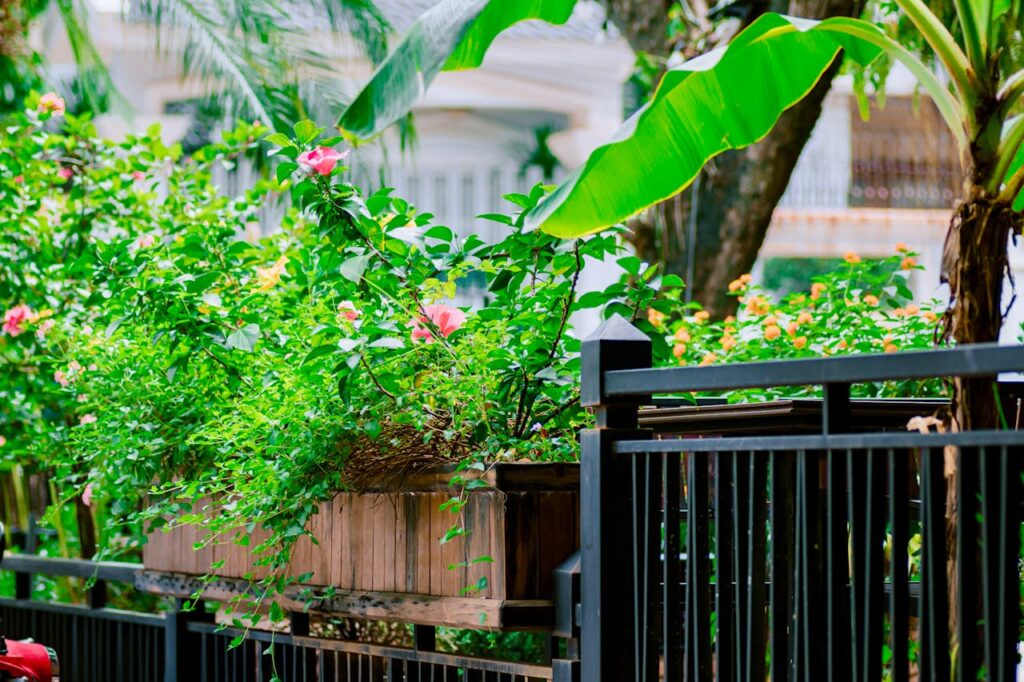
If you have been gardening in Malaysia for a while, you may have noticed something that confuses many beginners at first: your garden does not always look the same throughout the year. Some months it looks lush, leafy, and full of life, while in other months the same plants may look slower, weaker, drier, or simply a bit less impressive. This can make people feel like they are doing something wrong, especially when they have not changed their routine much. But in many cases, the difference is not because you suddenly became a worse gardener. It is because the weather changes how plants grow, respond, and behave. In Malaysia, wet and dry periods affect your garden more than many people realise.
During wetter months, gardens often look greener and fuller because plants are surrounded by more moisture. The air is more humid, the soil stays damp for longer, and many tropical plants feel very comfortable in these conditions. Herbs, leafy greens, and tropical plants may put out fresh growth more easily, and the whole garden can look softer and more lush. But wet weather is not always perfect. Some plants may grow more leaves while becoming slightly weaker or more vulnerable to fungal problems, yellowing, or poor airflow if the space stays too damp for too long. So while the garden may look greener, it may also need more attention in other ways.
During drier months, things often shift. Pots can dry out faster, leaves may look less soft and full, and some plants may wilt or become stressed more easily under stronger sun and heat. This is especially noticeable in small containers, balconies, and exposed porch gardens where the soil can lose moisture quickly. Plants that looked very happy during wetter weeks may suddenly seem tired by midday during hot periods. Leafy greens may struggle more, while hardier tropical herbs and heat-tolerant plants may continue growing more steadily. This is why the same garden can feel completely different without you having changed the plants themselves.
Sunlight also plays a big role in why your garden looks different across wet and dry months. During wetter stretches, cloud cover may reduce the intensity of sunlight, which can help some plants avoid heat stress but may also slow down the performance of sun-loving crops. During drier months, stronger sunlight can push some plants to grow better, flower more, or fruit more — but it can also stress plants that are not suited to intense exposure. So sometimes a garden looks “better” in one season for leafy growth, while in another it looks “better” for flowering or fruiting.
Another reason your garden changes is because watering habits that worked before may no longer fit the new conditions. During wet months, soil may stay damp longer and overwatering becomes a bigger risk. During dry months, the same pots may need more regular checking because they lose moisture faster. If you do not adjust, the garden may start showing signs of stress even though your routine feels familiar. This is why successful gardening in Malaysia is often less about rigid schedules and more about responding to the season-like changes in weather.
Plant type matters too. Some plants are naturally more comfortable in wet, humid conditions, while others perform better when the weather is drier and sunnier. A tropical herb like pandan may stay quite happy in wetter periods, while a plant like chilli may respond differently depending on light, airflow, and soil moisture. This is one reason mixed gardens can look uneven throughout the year — different plants react to the same weather in different ways.
The important thing for beginners to understand is that change in appearance does not always mean failure. A garden is a living system responding to its environment. Some months are about lush green growth. Other months are about survival, adjustment, or slower progress. What matters most is learning how your specific garden behaves in different conditions and adjusting your care accordingly. That is how confidence grows.
At the end of the day, your garden looks different in wet vs dry months because plants respond to changes in moisture, sunlight, humidity, and heat. This is a normal part of gardening in Malaysia. The more you observe these patterns, the easier it becomes to work with the climate instead of feeling confused by it.
If you have noticed your garden changing through wet and dry months, we would love to see it. Tag @projectharvest.my on Instagram and share your garden journey, your seasonal observations, and your plant progress with us — your experience might inspire another Malaysian beginner to grow with more confidence too.