
Building a backyard garden in Malaysia means learning how to work with rain, not against it. Wet weather is part of our climate, and if a garden is not planned properly, heavy rain can quickly turn it into a messy, waterlogged, stressful space. Plants may start yellowing, roots can suffer, fungus can spread, and the whole garden can feel harder to manage than it should. This is why a rain-friendly garden is not just about what plants you grow. It is also about how you design the space, how water moves through it, and how easily your plants can handle long wet periods. For beginners, getting this part right early can save a lot of problems later.
One of the most important things in a rain-friendly backyard garden is drainage. Before adding plants, pots, or garden beds, it helps to observe how water behaves in your backyard. Where does rainwater collect? Which spots stay soggy the longest? Are there low areas where puddles form after a storm? These details matter because they tell you which parts of the garden may need extra attention. A backyard that looks fine in dry weather can behave very differently during rain. Once you understand the natural flow of water, you can make better decisions about where to plant and where to avoid placing sensitive plants.
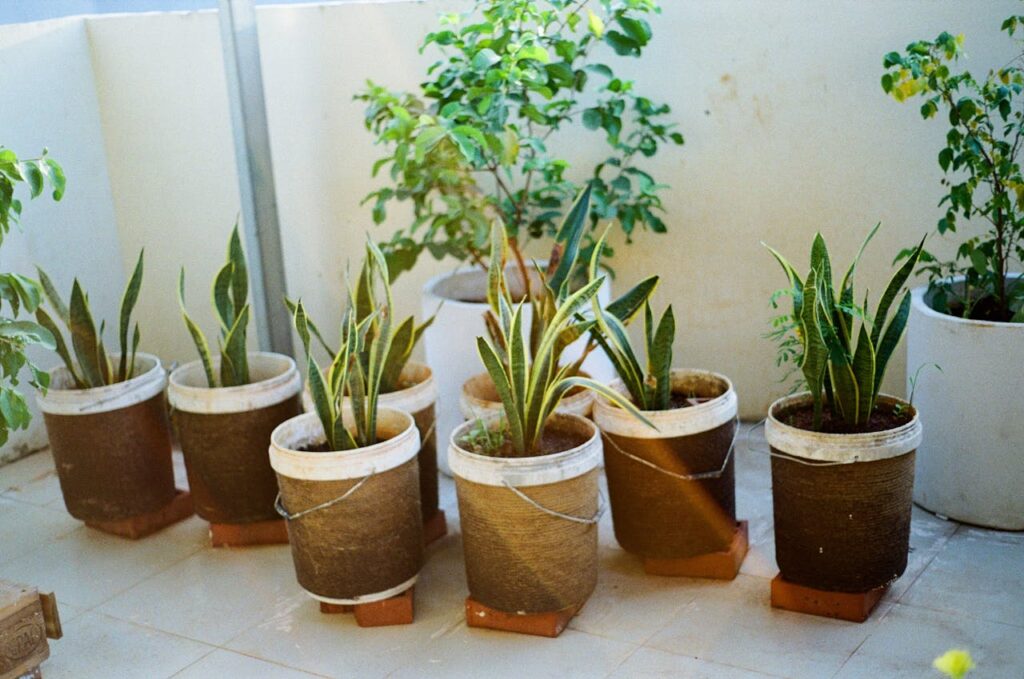
A smart rain-friendly garden often uses raised pots, raised beds, or slightly lifted planting areas to keep roots from sitting in trapped water for too long. Even a small lift in height can help improve drainage and reduce the risk of root rot. If you are using containers, make sure they have good drainage holes and are slightly raised off the ground with pot stands, bricks, or racks. This allows excess water to escape more easily and helps keep the base from staying too wet. In Malaysia, this small detail can make a big difference during prolonged rainy periods.
Another important feature is good spacing. A backyard garden may look nice when it is full and packed with greenery, but overcrowding can become a problem during wet weather. Plants placed too closely together block airflow, trap moisture, and make it easier for fungal issues and pests to spread. A rain-friendly garden should still feel lush, but it should also allow air to move between plants. This helps leaves dry faster after rain and keeps the overall environment healthier.
Plant choice also matters. In a Malaysian backyard, it makes sense to use more tropical-friendly and moisture-tolerant plants as the foundation of the garden. Hardy herbs, leafy greens, and local edible plants that already suit the climate are usually easier to manage than highly sensitive or cool-weather plants. This does not mean every plant must love constant soaking, but it does mean the garden will usually perform better if it is built around plants that naturally fit local conditions. A rain-friendly garden is much easier to maintain when the plants are already comfortable with humidity and changing weather.
It is also helpful to create different zones in the backyard. Some plants can be placed in more exposed areas, while more delicate or easily stressed plants can go closer to walls, roof edges, or slightly sheltered corners where they still receive light and airflow without taking the full impact of nonstop rain. This makes the garden more flexible and allows you to protect vulnerable plants without having to constantly move everything around.
Paths and access are another part people often forget. A rain-friendly backyard garden should still be easy to walk through and maintain after wet weather. If the whole space turns muddy or slippery every time it rains, caring for the garden becomes less enjoyable. Even a simple, tidy layout with clear access between pots and beds can make the space feel more manageable and less chaotic during rainy weeks.
At the end of the day, building a rain-friendly backyard garden in Malaysia is about planning for water instead of being surprised by it. Good drainage, raised planting areas, smart spacing, suitable plant choices, and a practical layout all help create a garden that stays healthier and easier to manage when the rain comes. You do not need a perfect designer garden — just one that works with the climate and supports your plants through wet weather.
If you are building or improving a backyard garden at home, we would love to see it. Tag @projectharvest.my on Instagram and share your rainy-weather setup, your backyard layout, and your gardening journey with us — your garden might inspire another Malaysian beginner to start growing with more confidence too.