
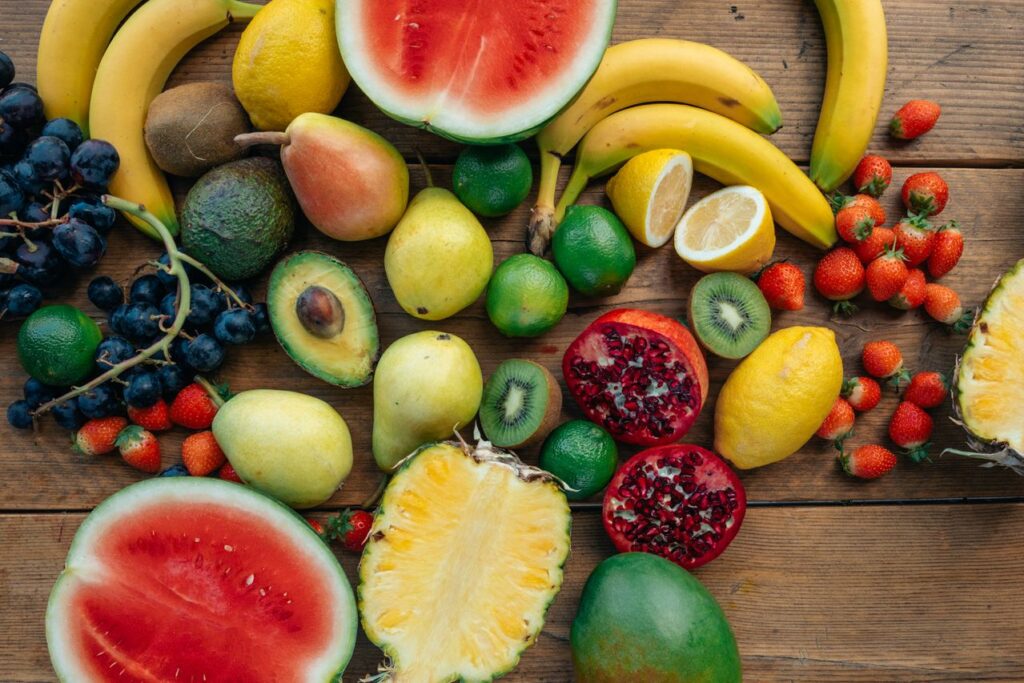
Harvesting fruit at peak ripeness is one of the most satisfying parts of home gardening, but it is also where many beginners hesitate. Pick too early, and the fruit may be hard, sour, bland, or underdeveloped. Wait too long, and it may become overripe, split, bruise easily, or get damaged by insects and birds. The good news is that most fruits give clear signs when they are ready. Once you learn how to watch for those signs, harvesting becomes much easier and much more rewarding.
One of the biggest clues is colour change. Many fruits begin to shift from a very immature green into a fuller, more mature colour as they ripen. Papaya starts showing yellow, bananas become fuller and lighter, guava changes tone and often looks less dull, and starfruit becomes more golden. Not every fruit follows the exact same pattern, but colour is usually one of the first things that tells you the fruit is moving toward harvest time.
Another important clue is size and fullness. Fruit that is ready to harvest usually looks well developed and properly filled out. A young fruit often looks narrow, small, or angular, while a mature one tends to look fuller and more complete. This is especially useful for fruits that may still be partly green when harvested, such as some citrus or bananas. The fruit should look like it has reached a proper usable stage, not just a larger version of a baby fruit.
You should also pay attention to feel and firmness. Some fruits are best picked while still firm but mature, while others should soften slightly before harvest. A ripe fruit often feels heavier, fuller, and more “ready” than an immature one. If it feels rock hard and undeveloped, it probably needs more time. If it feels overly soft or fragile on the tree, it may already be past its best stage.
It is also smart to check fruit regularly once it gets close to harvest time. Do not wait until the whole tree looks overripe before paying attention. In many home gardens, the best results come from frequent observation and gentle harvesting at the right stage rather than one big delayed picking session.
At the end of the day, harvesting fruit at peak ripeness is about watching colour, size, fullness, and firmness, then learning how each fruit behaves in your own garden. The more you observe, the easier it becomes to pick fruit at the stage where it tastes best and feels most satisfying.
If you are harvesting fruit at home, we would love to see it. Tag @projectharvest.my on Instagram and share your harvests, your fruit garden, and your gardening journey with us — your home garden might inspire another Malaysian beginner to start growing too.