
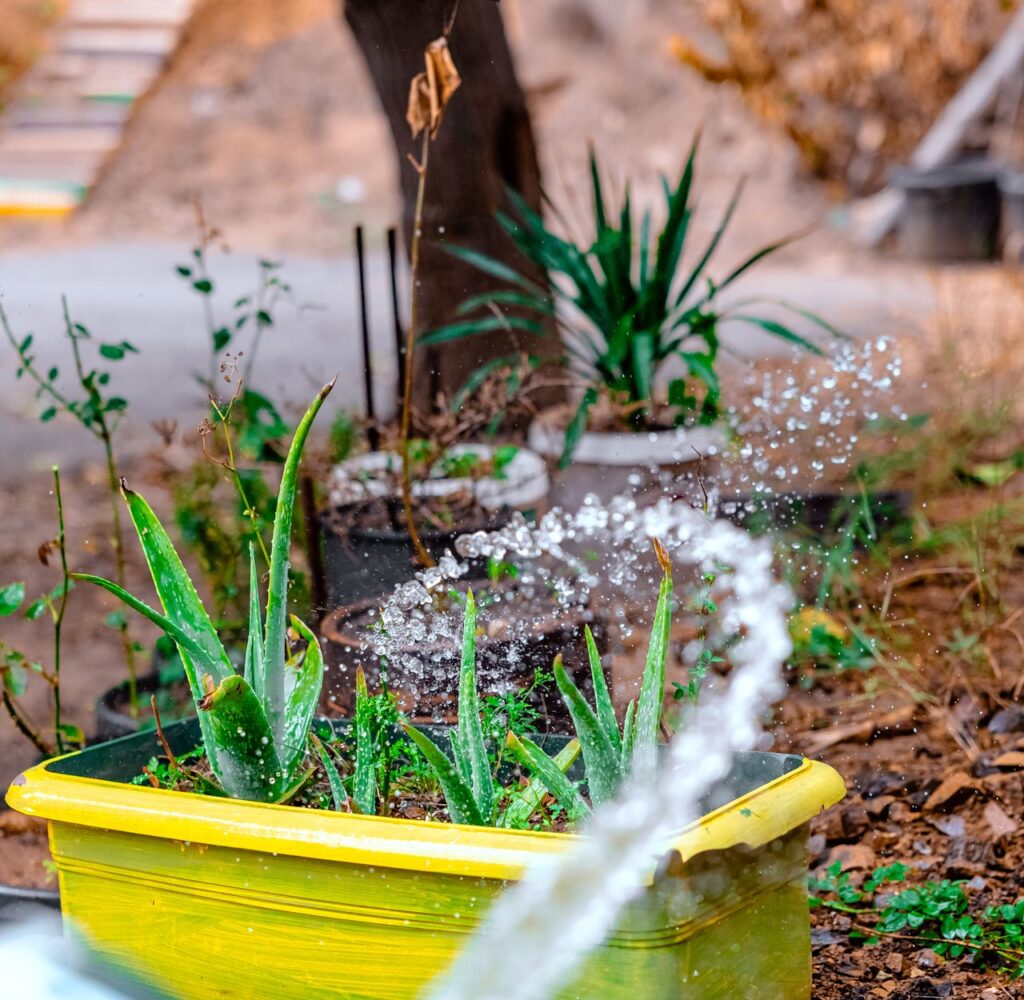
An underwatered plant can look dramatic very quickly. The leaves may droop, curl, feel dry, turn crispy at the edges, or even start yellowing and dropping. For beginners, this can feel like a gardening emergency, especially when the plant suddenly looks half-dead after just a short dry spell. The good news is that many underwatered plants can recover if you respond the right way. The key is to rehydrate the plant properly without turning the rescue into a new overwatering problem.
The first thing to do is check the soil carefully. If the potting mix feels very dry, loose, and light, and the plant looks limp or tired, underwatering may be the issue. In some cases, very dry potting mix can even shrink away from the edges of the pot, which makes water run straight through instead of soaking in properly. This is why simply pouring water quickly over the top does not always solve the problem.
The next step is to water slowly and thoroughly. Give the soil time to absorb moisture instead of flooding it all at once. Water until the potting mix is evenly moistened and you see excess water begin draining out from the bottom. If the soil has become so dry that it is resisting water, you may need to water a little, wait a moment, and then water again more slowly. The goal is to rehydrate the root zone properly, not just wet the surface.
If the plant is in a pot and extremely dry, another helpful method is to let the pot sit briefly in a shallow container of water so the soil can absorb moisture from below. This can help when the mix has become stubbornly dry. Once the soil is rehydrated, remove the pot and let excess water drain away. Do not leave it soaking for too long.
After watering, move the plant into a calmer environment if needed. A very stressed plant may do better in bright but gentler light instead of harsh direct sun while it recovers. Remove only the clearly dead or crispy parts, but do not over-prune a plant that is already stressed. Then give it a little time. Some plants perk up within hours, while others may take a few days to show recovery.
The most important thing after rescue is not to swing to the other extreme. Do not start watering constantly out of guilt. The goal is to return to a steadier rhythm where the plant is checked regularly and watered when it actually needs it.
At the end of the day, saving an underwatered plant is about rehydrating it slowly, helping the soil absorb water again, and giving the plant a calmer recovery period. Many plants are more resilient than they look, especially when you catch the problem early.
If you are rescuing an underwatered plant at home, we would love to see it. Tag @projectharvest.my on Instagram and share your plant rescue, your garden setup, and your gardening journey with us — your home garden might inspire another Malaysian beginner to grow with more confidence too.