
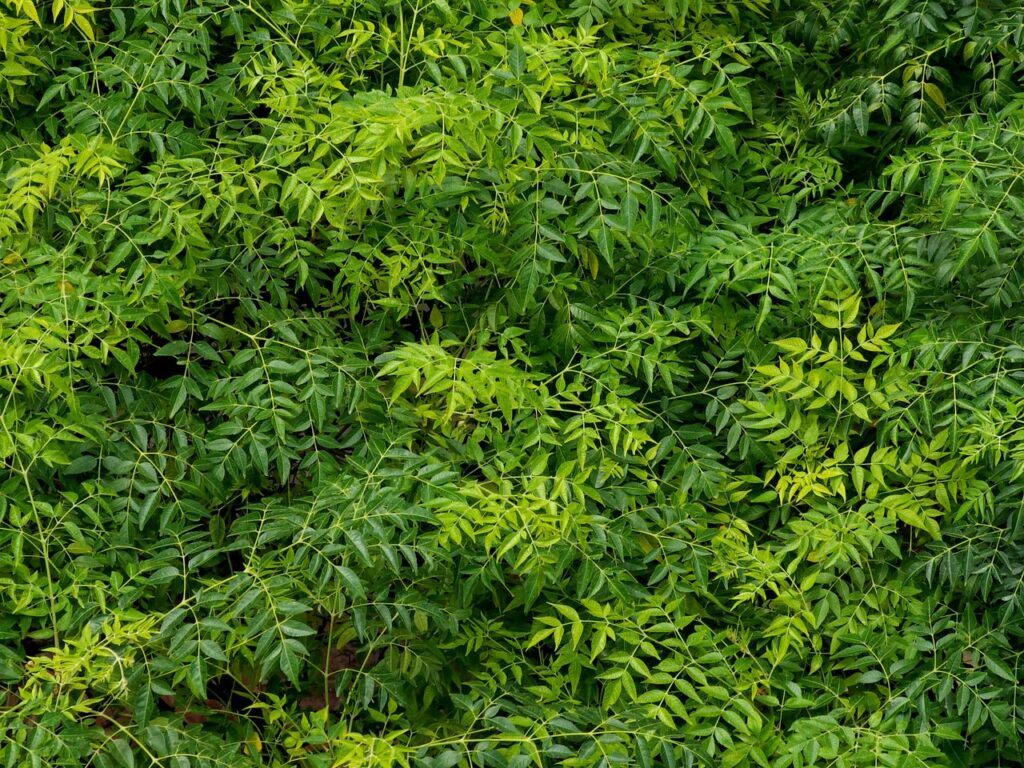
Neem oil is commonly used by home gardeners to manage pests such as aphids, whiteflies, mealybugs, scale insects, and spider mites. However, it should not be treated as a harmless cure for every garden problem. Neem products work best when the pest has been identified correctly, the infestation is caught early, and the oil is applied directly to the affected areas.
Before mixing anything, read the product label carefully. Neem oil products are sold in different strengths, including ready-to-use sprays and concentrated formulas. A ready-to-use product should not require further mixing, while a concentrate must be diluted according to its own instructions. Avoid guessing the amount or assuming that every neem product uses the same ratio.
Inspect the plant before spraying. Check young shoots, stems, and especially the undersides of leaves, where many pests hide. Remove badly damaged leaves when appropriate and consider washing off larger pest groups with water first. Neem oil should be part of a wider care routine rather than the only action taken.
Always test the prepared spray on one or two leaves before covering the entire plant. Wait at least 24 hours and watch for spotting, browning, curling, or other damage. Young seedlings, stressed plants, newly transplanted plants, and plants with delicate foliage may be more sensitive.
Apply neem oil during the cooler early morning or late afternoon. Avoid spraying under strong midday sun, during extreme heat, or immediately before heavy rain. Cover the affected leaf surfaces lightly, including the undersides, without soaking the plant until it drips. Because the spray needs to reach the pest, spraying random healthy leaves is unnecessary.
Avoid spraying open flowers or applying neem oil when bees and other pollinators are actively visiting the garden. Even lower-impact pest products should be applied carefully around beneficial insects. Follow the label’s instructions regarding repeat treatments instead of spraying every day.
When using neem oil on herbs, vegetables, or fruit plants, confirm that the crop is listed on the label and follow any stated waiting period before harvesting. Wash harvested produce thoroughly before eating it. Store the product safely away from children, pets, food, and direct sunlight.
At the end of the day, proper neem oil use is about careful identification, correct dilution, good timing, and targeted application. Use the mildest effective treatment, test the leaves first, protect pollinators, and stop spraying once the pest problem is under control.
If you are using neem oil in your home garden, we would love to learn from your experience. Tag @projectharvest.my on Instagram and share your application routine, pest-control progress, and gardening journey with us — your experience might help another Malaysian beginner care for their plants more responsibly too.