
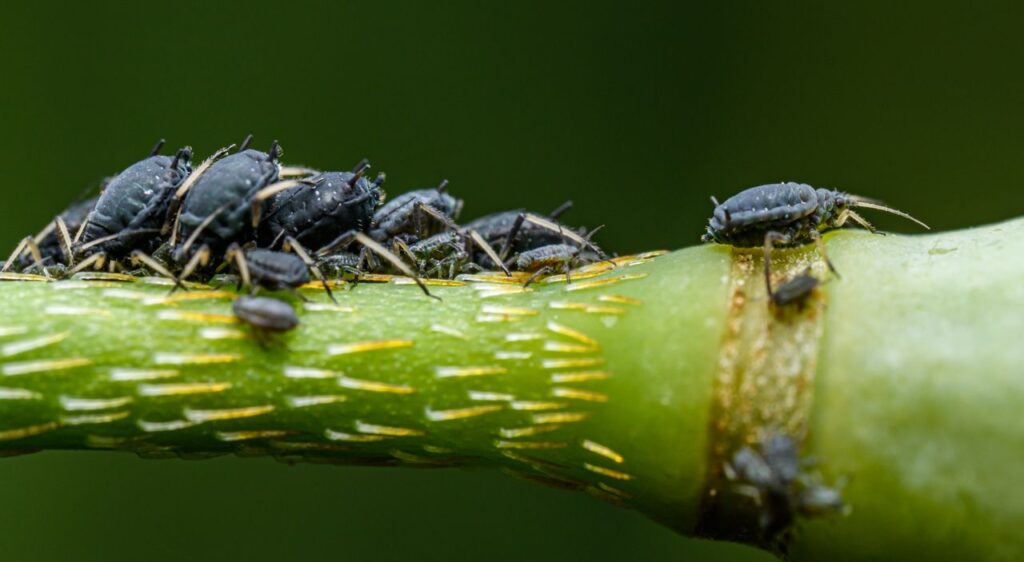
Small garden pests such as aphids, whiteflies, and mealybugs can quickly gather on tender shoots and the undersides of leaves. While many gardeners immediately reach for a strong pesticide, a mild homemade spray may help manage a small infestation when it is caught early. The safest approach is to keep the recipe simple, test it carefully, and remember that even natural ingredients can damage plants when they are too concentrated.
One of the easiest homemade options is a mild soap spray. Add approximately one teaspoon of gentle liquid soap to one litre of clean water and mix it slowly. Choose a plain soap without bleach, strong fragrance, degreasers, or antibacterial additives. Pour the mixture into a clean spray bottle and label it clearly so it is not confused with household cleaners.
Before treating the whole plant, spray the mixture on one or two leaves and wait for at least a day. This small test is important because tender herbs, young seedlings, and stressed plants may react badly to sprays. If the tested leaves remain healthy, apply the mixture lightly to the affected areas, especially the undersides of leaves where pests often hide.
The spray must touch the insects to be useful, so avoid spraying only the top surface of the plant. Do not completely soak the plant or allow the solution to collect in flowers, leaf joints, or the soil. Apply it during the cooler part of the morning or late afternoon rather than under strong midday sun. Hot sunlight combined with wet leaves and soap may cause burning.
Some gardeners add garlic, chilli, or neem-based ingredients to homemade sprays. These may help in certain situations, but stronger mixtures are also more likely to irritate skin, harm beneficial insects, or damage sensitive leaves. Beginners are usually better off starting with the mildest possible recipe instead of creating a powerful mixture with many ingredients.
After a few hours, gently rinse edible leaves with clean water if needed. Repeat the treatment only when pests are still present, and inspect the plant regularly. Removing badly infested leaves, washing pests away with water, and improving airflow may be just as important as spraying.
At the end of the day, homemade organic insect repellent should be used carefully, not excessively. Start with a mild soap-and-water mixture, test one leaf first, avoid hot sunlight, and target only the affected areas. A simple spray works best as part of regular observation and early pest control.
If you are trying a homemade insect repellent in your garden, we would love to see how you manage pests naturally. Tag @projectharvest.my on Instagram and share your garden spray, your plant-care routine, and your growing journey with us — your experience might inspire another Malaysian beginner to care for their garden more confidently too.