
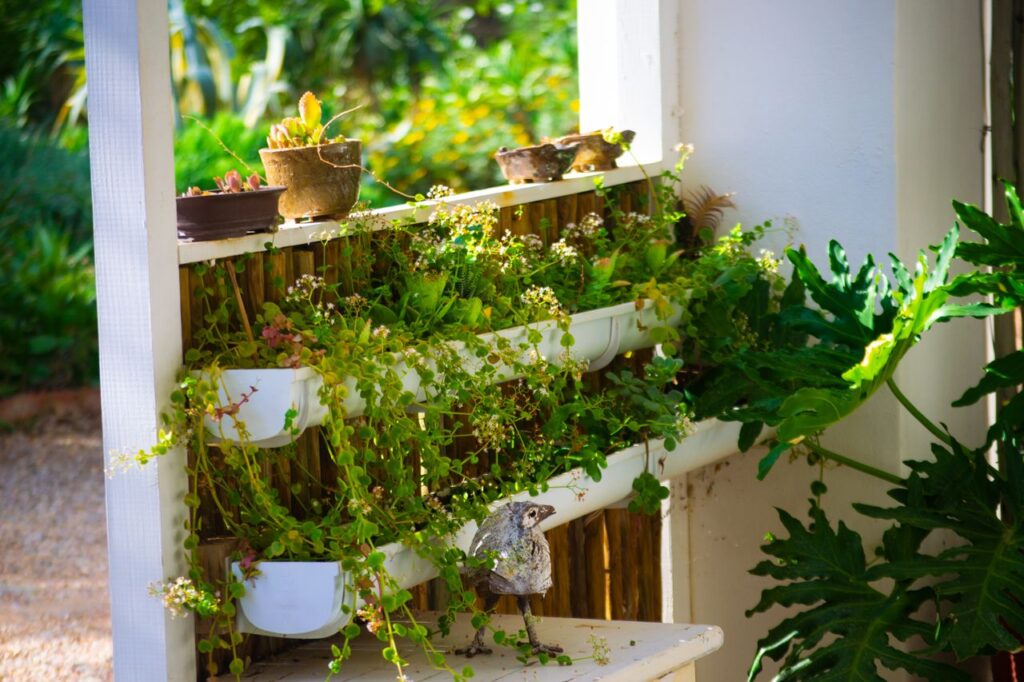
Eco-friendly gardening is about growing plants in a way that reduces waste, saves water, supports nature, and makes better use of materials already available at home. You do not need a large garden or expensive equipment to begin. A balcony, porch, small yard, or collection of pots can become more sustainable through a few practical changes.
Start by choosing plants that suit Malaysia’s warm and humid climate. Herbs such as pandan, lemongrass, curry leaf, basil, mint, and daun kesum can be useful choices when their sunlight and water needs match your space. Plants that are suited to the local climate usually require less effort, fewer replacements, and less unnecessary watering.
Composting is another simple eco-friendly habit. Fruit and vegetable scraps, coffee grounds, dried leaves, and plain cardboard can be turned into finished compost instead of being thrown away. Compost adds organic matter to the soil and may reduce the need to keep buying fertiliser. Fresh food scraps should be composted properly rather than placed directly into pots.
Water can also be used more carefully. Check the soil before watering instead of following a fixed daily schedule. Water near the root zone during the cooler morning, group plants with similar needs, and use mulch to slow moisture loss. A clean covered container may also be used to collect rainwater, but it must be managed properly so mosquitoes cannot breed.
Reusing household materials can lower waste and gardening costs. Clean buckets, sturdy food containers, wooden crates, plastic bottles, and bamboo pieces can become planters, scoops, watering tools, stakes, or trellises. Always add drainage holes and avoid containers that previously held harmful chemicals.
A more eco-friendly garden should also welcome beneficial insects. Grow a mix of edible plants and flowers to attract bees, butterflies, hoverflies, and other useful visitors. Avoid spraying every insect you see. Inspect plants regularly and use simple methods such as hand removal, water sprays, pruning, or barriers before reaching for stronger treatments.
Try to reduce unnecessary plastic purchases too. Reuse nursery pots, save seed containers, and buy only the tools and materials you genuinely need. A small, well-managed garden is often more sustainable than a large setup filled with unused products.
At the end of the day, eco-friendly gardening is built through small habits. Compost organic waste, conserve water, reuse materials, choose suitable plants, and protect helpful insects. These simple decisions can make a Malaysian home garden more productive, affordable, and environmentally responsible.
If you are making your home garden more eco-friendly, we would love to see your ideas. Tag @projectharvest.my on Instagram and share your reused planters, composting habits, water-saving methods, and gardening journey with us — your experience might inspire another Malaysian beginner to grow more sustainably too.