
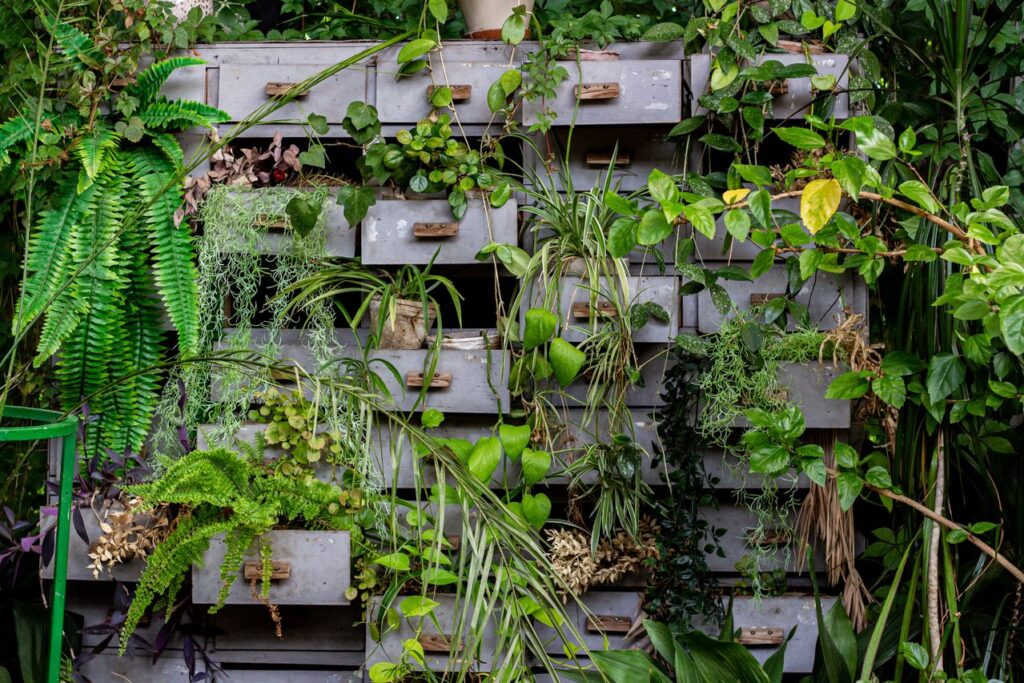
Reusing household items in the garden is a simple way to reduce waste and lower the cost of starting or maintaining a home garden. Many everyday items can be given a second life as planters, labels, supports, watering tools, or compost materials. The key is to reuse them safely and practically instead of turning the garden into a collection of clutter.
Old buckets, food containers, and storage tubs can become useful planters. Wash them thoroughly, remove any food or chemical residue, and add enough drainage holes before planting. Deeper containers are suitable for larger herbs and vegetables, while smaller containers work better for seedlings or compact plants. Avoid using containers that previously held paint, pesticides, strong cleaners, oil, or other unsafe substances.
Plastic bottles can also be reused in simple ways. A clean bottle with small holes in the cap can become a gentle watering tool for seedlings. Cut bottles may be used as temporary plant protectors, scoops, or simple drip-watering containers. Make sure cut edges are smooth and place the bottles securely so they do not collect stagnant rainwater or blow around the garden.
Plain cardboard and paper can be useful too. Cardboard rolls may become biodegradable seed-starting pots, while shredded uncoated cardboard can be added to compost as a brown material. Larger sheets may help suppress weeds beneath mulch in garden beds. Remove plastic tape, labels, staples, and glossy coatings before use.
Old wooden chopsticks, bamboo poles, broom handles, or sturdy branches can be turned into plant stakes and trellises. Soft fabric strips from worn cotton clothing can become plant ties, as long as they are tied loosely and checked as stems grow. Wooden crates and strong shelves may also help organise pots vertically, but they must be stable and able to handle outdoor weather.
Kitchen items can support garden care as well. A damaged spoon can become a small soil scoop, while clean jars may be used to store seeds in a cool, dry place. Egg cartons can help organise seedlings, although they may soften quickly in Malaysia’s humidity.
Not every item is worth saving. Cracked containers, brittle plastic, rusty metal, and materials that trap water can create safety or mosquito problems. Reuse only what is clean, durable, and genuinely useful.
At the end of the day, reusing household items in the garden is about thoughtful creativity. Choose safe materials, add proper drainage, prevent stagnant water, and keep the space tidy. A few well-chosen reused items can make gardening more affordable without making it harder to manage.
If you are giving household items a second life in your home garden, we would love to see your ideas. Tag @projectharvest.my on Instagram and share your reused planters, homemade tools, creative setups, and gardening journey with us — your project might inspire another Malaysian beginner to grow more sustainably too.