
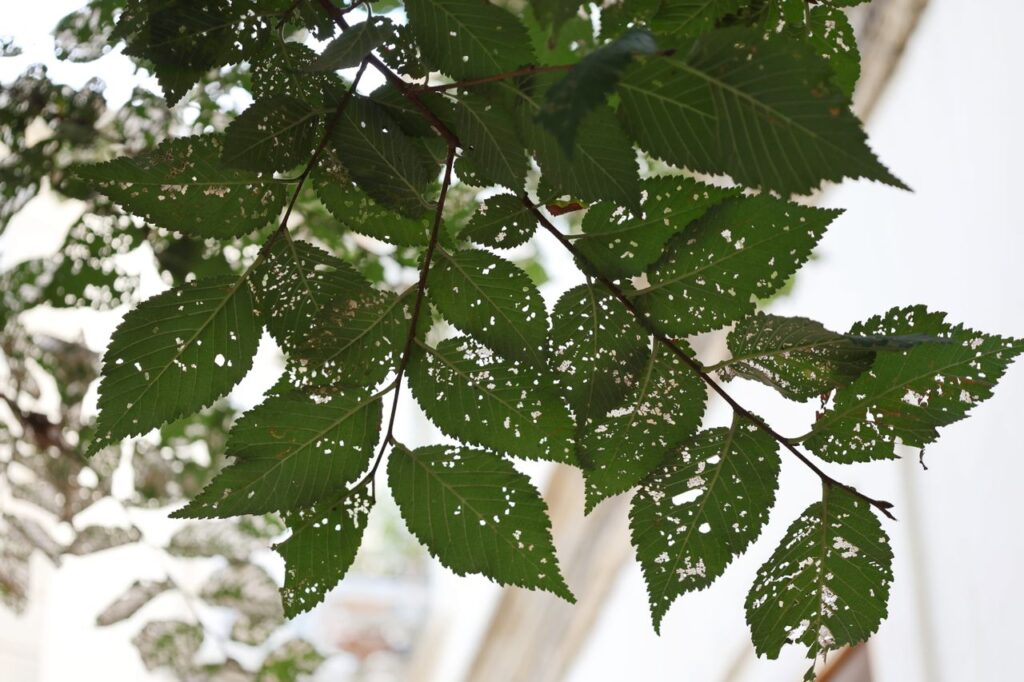
Plant diseases can spread quickly in a small garden because pots and leaves are often placed close together. Fungal spores, infected soil, splashing water, shared tools, and even your hands can move a problem from one plant to another. Acting early is the best way to protect the rest of the garden.
Start by separating the affected plant as soon as you notice spreading spots, mould, unusual wilting, soft stems, or other suspicious symptoms. Move movable pots away from healthy plants and make sure their leaves are no longer touching. Continue checking nearby plants because the problem may have spread before the symptoms became obvious.
Remove badly affected leaves, stems, flowers, or fruit using clean pruning scissors. Place the diseased material in the rubbish instead of leaving it on the soil or adding it to a basic home compost pile. Do not remove too much healthy foliage at once, especially from a weak plant.
Cleanliness is extremely important. Disinfect pruning tools after working on a sick plant and wash your hands or gloves before handling anything else. Avoid moving soil, stakes, plant ties, or pots from the affected area into healthy parts of the garden without cleaning them first.
Improve airflow by creating more space between pots and lightly thinning overly dense growth. Crowded leaves remain damp longer after rain or watering, creating favourable conditions for many fungal problems. Stakes and trellises can also help keep plants upright and reduce tangled growth.
Water near the soil rather than wetting the entire plant whenever possible. Morning watering gives any splashed moisture more time to dry. Avoid moving from a diseased plant to healthy plants with the same watering nozzle if it has touched contaminated foliage or soil. Make sure containers drain properly and do not sit in stagnant water.
Keep the garden floor and pot surfaces clear of fallen leaves, rotten fruit, and dead plant material. These can shelter pests or hold disease-causing organisms. During rainy periods, inspect the garden more frequently because humid, slow-drying conditions may allow symptoms to spread faster.
At the end of the day, stopping disease in a small garden depends on speed and good hygiene. Isolate sick plants, remove infected material, clean your tools, improve airflow, and control how water moves through the space. Early action may save both the affected plant and the rest of your garden.
If you are managing plant disease in a small home garden, we would love to see how you protect your plants. Tag @projectharvest.my on Instagram and share your isolation setup, garden-cleaning routine, and plant recovery journey with us — your experience might help another Malaysian beginner stop a problem before it spreads too far.