
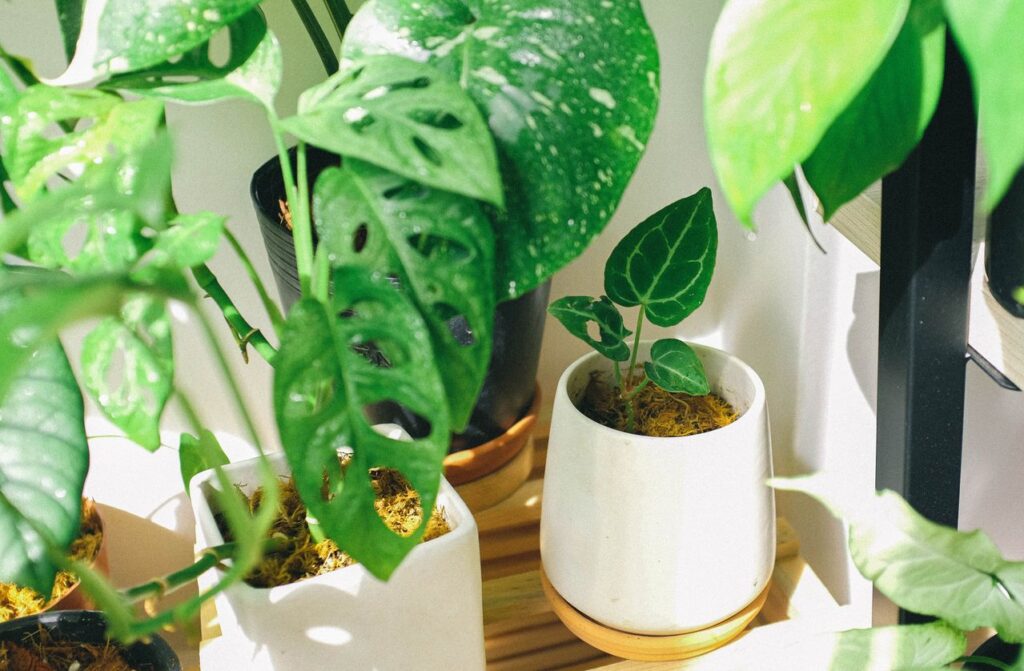
Gardeners naturally want to save every struggling plant, but sometimes removing one plant is the best way to protect the rest of the garden. A plant that is severely diseased, heavily infested, badly rotted, or no longer capable of healthy recovery can continue spreading problems to nearby plants. Knowing when to stop treatment is an important part of responsible garden care.
One warning sign is a disease that keeps spreading despite treatment. If spots, mould, rotting stems, or distorted growth continue appearing after the plant has been isolated and cared for properly, the problem may be too advanced. This becomes more serious when nearby plants begin developing similar symptoms.
A plant may also need to be removed when most of its roots or main stem have rotted. Healthy roots should feel firm, while badly damaged roots are often dark, soft, slimy, or unpleasant-smelling. If only a small healthy section remains and the plant continues collapsing, recovery may be unlikely.
Severe pest infestations can be another reason. Mealybugs, scale insects, spider mites, and other pests may hide in leaf joints, roots, soil, and dense growth. If repeated cleaning and treatment do not reduce the infestation, keeping the plant may place the entire garden at risk. This is especially true in a small space where plants are positioned close together.
Structural damage matters too. A plant with a completely snapped main stem, badly damaged crown, or severe storm injury may not be able to regrow successfully. However, do not remove a plant simply because it has a few yellow leaves, small pest marks, or temporary wilting. Many plants recover once watering, light, drainage, or nutrition improves.
Before removing anything, isolate the plant and assess the overall condition. Look for healthy roots, new growth, firm stems, and signs that treatment is working. If the plant is stable and producing healthy shoots, it may still be worth saving.
When removal becomes necessary, place the plant and badly affected soil in the rubbish instead of a basic home compost pile. Clean the pot, tools, gloves, and surrounding area before using them again. Continue monitoring nearby plants for symptoms.
At the end of the day, removing a plant is not a gardening failure. Sometimes it is the safest choice for the health of the entire growing space. Remove plants when damage is severe, recovery is unlikely, or the risk of spreading pests and disease becomes greater than the chance of saving them.
If you have ever had to remove a plant to protect your home garden, we would love to hear what happened. Tag @projectharvest.my on Instagram and share what you noticed, how you made the decision, and what you learned — your experience might help another Malaysian beginner make a difficult garden decision with greater confidence too.