
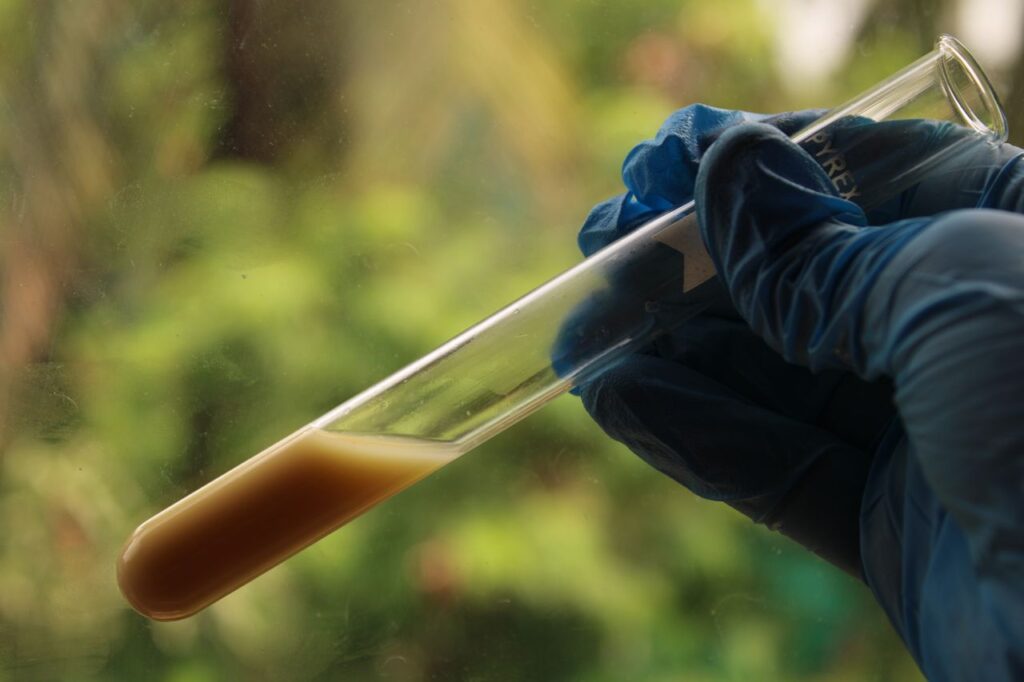
If your plants are struggling even though you are watering and fertilising them properly, the problem may be happening somewhere you cannot see: in the soil chemistry. Testing your garden soil pH is one of the simplest ways to understand whether the growing environment around your plant roots is too acidic, too alkaline, or somewhere in between.
You do not need a laboratory to get a useful first reading. A basic soil pH test kit or a reasonably good digital pH meter can help a Malaysian home gardener understand what is happening beneath the surface.
What Does Soil pH Actually Mean?
Soil pH measures how acidic or alkaline the soil is on a scale from 0 to 14. A pH of 7 is neutral, numbers below 7 are acidic, and numbers above 7 are alkaline.
Many common garden plants grow comfortably in slightly acidic to near-neutral soil, although the ideal range differs between species. This matters because soil pH influences how easily plant roots can access nutrients. A soil may contain nutrients, but if the pH is unsuitable, some of those nutrients can become less available to the plant.
That is why automatically adding more fertiliser whenever leaves turn yellow is not always the right solution.
The Easiest Ways to Test Soil pH at Home
For beginners, there are two practical options: a soil pH test kit or a digital pH meter.
Test kits normally involve mixing a small soil sample with water or a supplied solution before comparing the resulting colour with a pH chart. They are inexpensive and perfectly suitable for getting a general idea of your soil conditions.
Digital meters provide a numerical reading, but they need to be used correctly. Follow the manufacturer’s instructions carefully and calibrate the meter when required. A cheap meter pushed randomly into dry soil should not automatically be treated as perfectly accurate.
For important decisions, especially when you plan to significantly alter the soil, a professional soil test gives much more useful information than a simple home pH reading.
How to Take a Better Soil Sample
The quality of your result depends heavily on the soil you test.
Do not scoop one spoonful from a random corner and assume it represents your entire garden bed. Instead, collect several small samples from different points within the same growing area.
For a vegetable bed, take soil from around the root-growing zone rather than only scraping the surface. Remove stones, mulch, roots, and other large debris. Mix the small samples together in a clean container and use part of that combined soil for your test.
If two areas of your garden are very different, test them separately. For example, do not combine soil from a raised vegetable bed with soil underneath a mature fruit tree.
The same principle applies to container gardens. If your chilli pot is struggling but your pandan is healthy in completely different potting media, test them separately.
Avoid testing immediately after adding fertiliser, lime, compost, or another major soil amendment because you may get a reading that does not represent the normal condition of the soil.
Testing with a Home Soil pH Kit
Follow the instructions supplied with your particular kit because testing methods can vary.
Usually, you will place a measured amount of soil into the testing container, add the supplied solution or suitable water, mix it thoroughly, allow the soil to settle, and compare the resulting colour with a chart.
Take the reading under good natural light because similar colours can sometimes be difficult to distinguish.
If the result looks surprising, repeat the test using another sample before making major changes to the garden.
What About the Vinegar and Baking Soda Test?
You may have seen gardening videos that recommend pouring vinegar or baking soda onto soil and watching for bubbles.
These experiments may give a very rough indication that soil is strongly acidic or alkaline, but they do not provide a useful numerical pH reading. They should not be used to decide how much lime, sulphur, fertiliser, or other amendment your garden needs.
A proper pH kit is inexpensive and provides much more useful information.
What Should You Do After Getting the Result?
Do not immediately try to force every garden bed to exactly pH 7.
First, check what the plants you are growing actually prefer. Chillies, vegetables, herbs, fruit plants, and ornamentals do not all have exactly the same requirements.
If the reading is only slightly outside the preferred range and your plants are healthy, drastic intervention may not be necessary.
If the soil is significantly too acidic or alkaline and plants are struggling, investigate further before adding anything. Changing soil pH is not instant, and adding excessive lime, sulphur, ash, fertiliser, or other amendments can create a new problem while trying to solve the first one.
For a large edible garden, persistent nutrient problems, or a soil pH reading that seems unusually high or low, consider getting a proper laboratory soil analysis before making major amendments.
Malaysia’s Weather Makes Retesting Worthwhile
Garden conditions do not stay exactly the same forever. Heavy rain, fertiliser use, compost additions, irrigation water, and repeated growing cycles can gradually influence soil conditions.
You do not need to test pH every weekend. Instead, treat it as another useful garden diagnostic tool. Test when establishing an important growing area, when plants repeatedly show unexplained nutrient symptoms, or after making significant soil changes.
At the end of the day, testing soil pH is not about chasing a perfect number. It is about understanding the environment your roots are growing in. Take a representative sample, use a proper testing method, interpret the number based on the plant you are growing, and make adjustments only when there is a clear reason to do so.
Have you ever tested the pH of your garden soil and discovered something unexpected? Tag @projectharvest.my on Instagram and share your pH readings, soil-testing setup, plant symptoms, or before-and-after results with us. Your experiment could help another Malaysian gardener realise that sometimes the answer to what is happening above the soil begins with understanding what is happening underneath it.
Internal Link Suggestions:
Pingback: What Soil pH Really Changes for Your Plants – Project HARVEST