
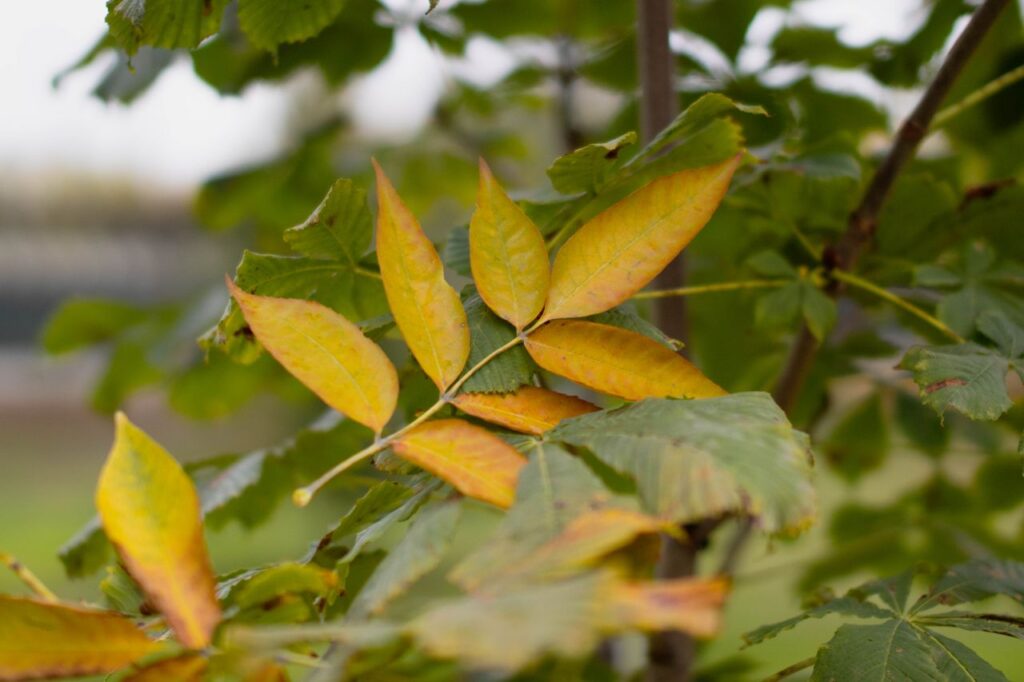
Yellow leaves are one of the most common signs that something is wrong in the garden, but they are also one of the most misunderstood. Many beginners see yellowing and immediately assume the plant needs fertiliser. Sometimes that is true, but sometimes the real issue is overwatering, poor drainage, damaged roots, or even the natural aging of older leaves. The most helpful thing you can do is not panic. Instead, look closely at which leaves are turning yellow, how they are yellowing, and what the plant has recently gone through.
One common cause of yellow leaves is too much water. When roots stay in soggy soil for too long, they struggle to function properly, and the leaves often begin to yellow. Overwatering often shows up as yellowing on lower or inner leaves, especially if the soil stays wet and heavy. In some cases, the plant may also look weak or wilted even though the soil is not dry. This confuses many beginners, but it happens because stressed roots cannot do their job well.
Another common reason is nutrient deficiency, but even this has patterns. If older lower leaves turn pale green or yellow first, that can often suggest nitrogen deficiency. If the leaves turn yellow between the veins while the veins stay greener, that may point more toward iron chlorosis or other nutrient-availability problems. Iron-related yellowing often shows up more clearly on younger leaves, while nitrogen deficiency usually appears on older ones first.
Yellow leaves can also come from poor drainage, compacted roots, root damage, or high soil pH. In these cases, the nutrients may actually be present in the soil, but the plant cannot absorb them properly. This is why adding more fertiliser is not always the answer. If the roots are stressed or the soil stays too wet, the plant may continue yellowing no matter how much you feed it.
It is also worth remembering that not every yellow leaf is a crisis. Sometimes an older leaf naturally ages and drops off while the rest of the plant stays healthy. The real concern is when yellowing spreads, affects new growth, or comes with other signs like slow growth, stunting, poor fruiting, or weak stems.
At the end of the day, yellow leaves are a signal, not a full diagnosis. The pattern matters. Older leaves, younger leaves, green veins, soggy soil, and recent weather or watering habits all tell part of the story. The more carefully you observe the whole plant, the easier it becomes to understand what the yellowing really means.
If you are trying to figure out why your leaves are turning yellow, we would love to see it. Tag @projectharvest.my on Instagram and share your plant, your garden setup, and your gardening journey with us — your home garden might inspire another Malaysian beginner to grow with more confidence too.