
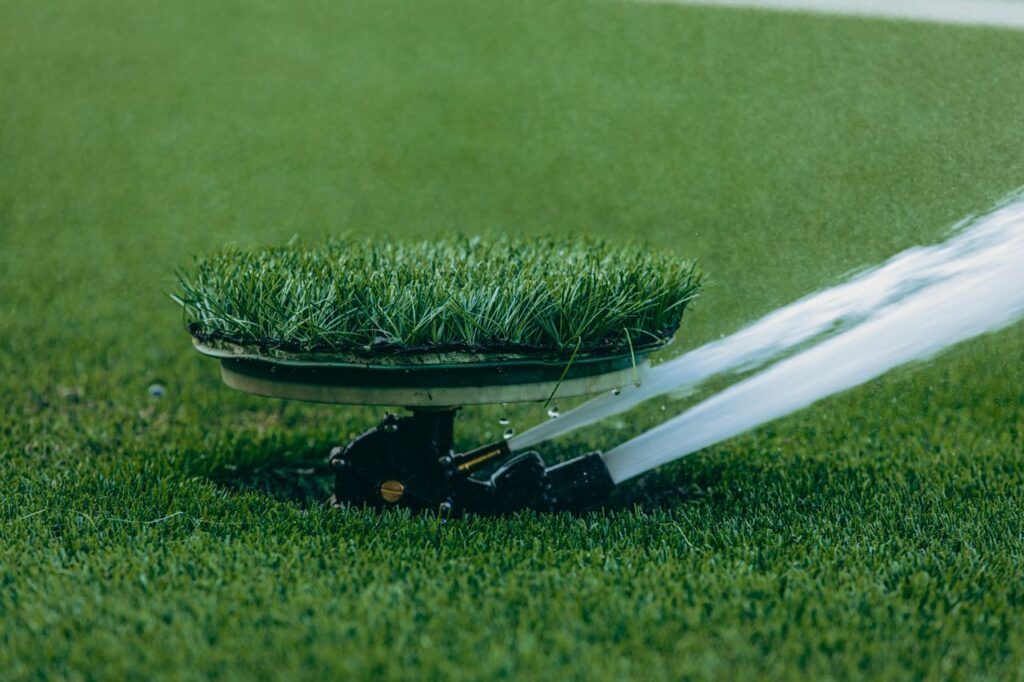
Leaving your garden unattended for seven days can feel risky, especially in Malaysia, where a few hot afternoons can dry small pots much faster than expected. At the same time, setting up an overly generous automatic watering system can create the opposite problem if several days of heavy rain arrive while you are away.
The best solution is not simply to give every plant an enormous amount of water before leaving.
Instead, prepare the garden so it loses water more slowly, make sure the root zone starts properly hydrated, and provide a reliable way for plants to receive additional water only when necessary.
The exact setup depends on whether you grow in pots, raised beds, or directly in the ground.
Start Preparing Before the Day You Leave
Do not make major watering changes on the morning of your trip.
If you plan to use a timer, drip irrigation system, self-watering pot, bottle wick, or another temporary method, set it up several days earlier.
Then observe it.
Does the soil stay too wet?
Does one emitter barely release water?
Does another empty the container too quickly?
Does your timer actually turn on at the programmed time?
A system that has been tested for several days is much safer than one installed the night before you leave.
Water Deeply Before You Go
The day before or morning of your departure, water established plants thoroughly enough to wet the full root zone.
For garden beds, this means allowing water to penetrate well below the surface rather than giving the bed a quick spray.
For pots, water slowly until the growing medium is evenly moist and excess water can drain from the bottom.
Do not leave containers standing permanently in trays of water unless they are specifically designed as self-watering systems.
The aim is to begin the week with hydrated soil, not waterlogged roots.
Add Mulch to Slow Moisture Loss
Mulch is one of the simplest ways to make water last longer.
A suitable layer of dried leaves, bark, straw-like material, or another organic mulch reduces direct evaporation from the soil surface.
This is particularly valuable in larger pots and raised beds exposed to Malaysian heat.
Apply mulch after watering so you are covering already-moist soil.
Keep it slightly away from stems and trunks rather than piling it against the plant base.
If your garden was previously bare, mulch can sometimes extend the time between watering enough to make a significant difference over a short trip.
Move Pots Out of Harsh Afternoon Sun
Temporary shade can reduce water use dramatically.
If possible, move smaller pots from intense afternoon sun into an area receiving bright light or gentler morning sun.
Do not suddenly move full-sun vegetables into complete darkness for a week.
The goal is to reduce the most stressful heat, not deprive plants of light entirely.
Balcony gardeners can sometimes move containers closer to a shaded wall, under suitable shade cloth, or away from highly reflective concrete.
This can be particularly helpful for herbs and young plants that dry quickly.
Group Pots Together
Instead of leaving containers scattered across the garden, group plants with similar light and watering needs together.
Closely grouped pots create a slightly more humid microclimate and reduce airflow directly around each container, which may slow moisture loss.
They are also much easier to connect to one temporary drip line.
Do not pack plants so tightly that airflow disappears completely.
Malaysia’s humidity means crowded foliage can increase fungal problems, especially during wet weather.
Leave enough space for air to move between plants.
Drip Irrigation Is One of the Best Options
If you have several pots or raised beds, a simple drip irrigation system connected to a timer is one of the most reliable options.
Emitters can deliver small amounts of water directly to each root zone.
Before leaving, check every emitter individually.
Run the system and confirm that water is actually reaching the soil.
Then check the soil again later to determine whether your programmed run time is appropriate.
Do not assume that 15 minutes is automatically correct.
Emitter flow rates, container sizes, soil mixes, and plant requirements vary.
Use a Timer Conservatively
An irrigation timer is useful, but Malaysia’s rainfall makes excessive automatic watering a real possibility.
If possible, use a timer with a rain-delay function, rain sensor, or adjustable programme.
You may also choose a conservative watering frequency that provides backup moisture rather than trying to keep the soil constantly wet.
For example, a deeply watered and mulched raised bed may not need automatic watering every single morning.
The correct schedule depends on how quickly your particular garden normally dries.
Test it beforehand.
Self-Watering Pots Can Work Very Well
Plants already growing in properly designed self-watering containers may be among the easiest to manage during a one-week absence.
Fill the reservoir shortly before leaving and check that the overflow system is functioning.
Make sure all reservoir openings are covered against mosquitoes.
Do not assume the reservoir will last seven days simply because it looks large.
Test how long it normally lasts under similar weather conditions.
A small reservoir feeding a mature chilli plant under full sun may empty surprisingly quickly.
What About DIY Bottle Watering?
You may have seen plastic bottles turned upside down in plant pots with small holes in the cap.
These can work, but the flow is often inconsistent.
One bottle may empty within two hours while another remains almost completely full after three days.
Soil can also block small holes.
If you want to use this method, test each bottle for several days before your trip.
Do not rely on an untested internet hack for valuable plants.
Commercial watering spikes or controlled-release devices may be more predictable, but they should still be tested.
Ollas Can Help in Raised Beds
If you already use buried clay ollas, fill them before leaving.
Because water moves gradually through the porous clay into surrounding soil, they can provide useful backup moisture.
Cover the opening securely to prevent mosquito access and reduce evaporation.
Again, reservoir size matters.
A small olla may not last a full week during a hot spell.
If you regularly plan to travel, larger-capacity irrigation may be more suitable.
Do Not Fertilise Heavily Before Leaving
It can be tempting to give plants a big feed before a holiday so they have “extra nutrients.”
Avoid this.
Heavy fertilisation can increase salt concentration around roots and encourage fresh, water-demanding growth at exactly the time you are not there to monitor the plants.
Keep feeding normal.
If a plant is due for fertiliser, you can usually wait until you return unless its normal schedule specifically requires otherwise.
Focus on stable moisture and plant health.
Harvest What You Can Before Leaving
Pick mature chillies, tomatoes, cucumbers, okra, brinjal, herbs, and leafy vegetables before your trip.
This prevents produce from becoming overripe and reduces the load the plant is carrying while you are away.
Remove clearly damaged or diseased leaves too.
Do not perform heavy pruning just before leaving, but a basic cleanup can make the garden easier to manage.
Small Pots Are the Highest Risk
Large pots hold more growing medium and usually store more water.
Small pots can dry dramatically faster.
If you have a valuable herb or vegetable growing in an undersized container, consider temporarily moving it into a more protected area or arranging a dependable watering method.
Do not repot a sensitive plant immediately before travelling unless it is absolutely necessary.
Repotting creates additional stress and requires monitoring.
Ideally, solve undersized-container problems well before the trip.
Ask Someone to Check — But Give Clear Instructions
If a friend, neighbour, or family member can check your garden once or twice, that provides valuable backup.
Do not simply say:
“Please water my plants.”
Some people will lovingly drown everything.
Instead, show them which plants actually need checking and how to determine whether soil is dry.
You can even label groups:
Water if dry.
Do not water unless soil is dry 5 cm down.
Check reservoir only.
Clear instructions are far safer than asking someone who does not garden to guess.
Prepare for Rain Too
When planning holiday watering in Malaysia, gardeners often worry only about drought.
But your trip may coincide with several days of thunderstorms.
Make sure pots have functioning drainage holes.
Clear blocked drains around raised beds.
Check that self-watering containers have open overflow outlets.
Do not leave saucers full of water underneath ordinary pots.
A good holiday setup should survive both five hot days and five wet days.
Test the Entire System as a Simulation
A few days before travelling, pretend you have already left.
Do not hand-water unless your planned system would have done so.
Observe what happens.
Which pots dry first?
Does the timer provide enough?
Does one plant stay too wet?
Does mulch make a noticeable difference?
This small experiment can reveal weaknesses while you are still home to correct them.
A Simple One-Week Setup for a Malaysian Garden
For many home gardeners, a reliable combination looks like this:
Water all plants deeply before leaving.
Add mulch to suitable pots and beds.
Move vulnerable small containers away from harsh afternoon heat.
Group similar plants together.
Use tested drip irrigation or self-watering reservoirs for plants that cannot last the week.
Pause or reduce irrigation if rainfall is expected and your system allows it.
Make sure every pot can drain freely.
If possible, have someone check the garden once around the middle of the week.
That is usually more reliable than depending on one clever watering trick.
At the end of the day, keeping a garden alive while you are away for a week is mostly about preparation rather than emergency watering. Start with a thoroughly hydrated root zone, reduce moisture loss with mulch and sensible shade, use a tested irrigation or self-watering system where needed, and make sure Malaysia’s sudden rain can still drain away safely. The best holiday watering setup is one you have already watched working before you lock the door and leave.
Going away and preparing your garden for a week on its own? Tag @projectharvest.my on Instagram and share your drip system, holiday watering setup, grouped pots, self-watering containers, or how your garden looked when you came home. Your successful setup — or the lesson from the one plant that did not cooperate — could help another Malaysian gardener travel without spending the whole holiday worrying about what is happening back in the garden.