
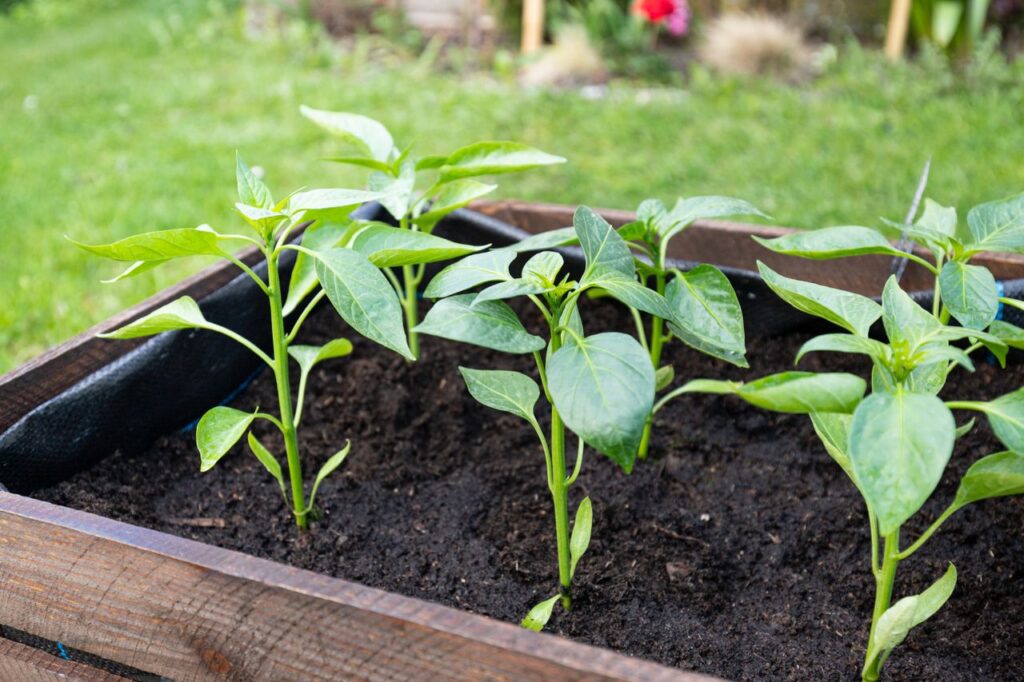
If you are looking for a rule such as “water your raised bed every morning,” the answer is unfortunately not that simple.
In Malaysia, the same raised bed may need frequent watering during a run of hot, sunny days and almost no irrigation during a week of heavy afternoon thunderstorms.
The best watering schedule is therefore not based only on the calendar. It should respond to soil moisture, weather, plant size, soil depth, and how quickly your particular raised bed dries out.
For most Malaysian home gardeners, the goal is to keep the active root zone comfortably moist without keeping it permanently saturated.
Why Raised Beds Dry Differently from Ground Soil
Raised beds usually drain more freely than surrounding garden soil.
That is one of their biggest advantages, especially during Malaysia’s heavy rain.
However, because the bed sits above ground, more of its sides are exposed to warm air.
This can also make it dry faster.
A shallow raised bed exposed to full afternoon sun may lose moisture much faster than a deep bed shaded for part of the day.
The growing mix matters too.
A bed containing a large proportion of coarse, free-draining materials can dry quickly, while one containing more clay or fine organic matter may stay wet much longer.
That is why two neighbours can grow the same vegetables and still need completely different watering schedules.
A Useful Starting Point
During normal warm weather without meaningful rain, an established raised vegetable bed may need watering roughly every one to three days.
But treat that only as a starting range.
A shallow bed full of mature vegetables under strong sun may need water daily.
A deep, mulched bed with moisture-retentive soil may remain adequately moist for several days.
After heavy rain, you may not need to water at all.
Instead of automatically following a schedule, check the soil before each planned irrigation.
Check Below the Surface
The soil surface is a poor guide.
Malaysia’s sun can dry the top centimetre quickly even when the root zone underneath still contains plenty of moisture.
Push your finger several centimetres into the soil.
For a more useful check, dig a small hole or use a wooden stick to inspect moisture deeper in the bed.
If the upper surface is dry but the soil 5 to 10 cm below still feels comfortably moist, you may be able to wait.
If the root zone is becoming dry, it is time to water.
For established crops, occasionally checking deeper — around 15 to 30 cm where practical — helps you understand whether previous watering actually reached the roots.
Newly Planted Seedlings Need More Attention
Young seedlings have shallow root systems.
They cannot yet access moisture stored deep in the bed.
During their first days after transplanting, the upper soil layer should remain appropriately moist while the roots establish.
This may require lighter, more frequent watering than you would give mature plants.
As the root system develops, shift towards deeper watering with longer intervals between sessions.
You are gradually encouraging roots to explore more of the bed.
Mature Vegetables Can Use Much More Water
A raised bed containing small seedlings does not use the same amount of water as the same bed two months later.
Mature chillies, tomatoes, brinjal, cucumbers, okra, and other large vegetables have much more leaf area.
That means greater transpiration, which is the process through which plants lose water from their leaves.
Fruiting plants can therefore dry a bed surprisingly quickly during hot weather.
Do not set one irrigation schedule at planting time and assume it will remain correct until harvest.
As the plants grow, reassess.
Leafy Greens Are Different Too
Leafy vegetables such as sawi, bayam, lettuce-type greens, and herbs generally benefit from reasonably consistent moisture.
Severe drying can stress them quickly and may reduce leaf quality.
A bed dominated by leafy vegetables may therefore require more frequent moisture checks than one containing established drought-tolerant herbs.
However, consistent moisture does not mean permanently soaked soil.
Good drainage and oxygen around roots are still essential.
Full Sun Means Faster Drying
A raised bed receiving six or more hours of strong sunlight can dry much faster than a bed receiving morning sun followed by afternoon shade.
Malaysia’s afternoon heat can be particularly intense against concrete walls, paved areas, and exposed terrace-house gardens.
Wind also increases moisture loss.
A sunny rooftop or high-rise balcony garden exposed to wind may dry considerably faster than a sheltered backyard bed.
When deciding how often to water, look at the microclimate around the bed, not only the weather forecast.
Mulch Can Change the Schedule Dramatically
A layer of suitable organic mulch helps slow evaporation from the soil surface.
Dry leaves, straw-like plant material, wood-based mulch, or other appropriate organic materials can protect the bed from direct sun and heavy rain.
A mulched raised bed may stay moist significantly longer than bare soil.
If you add mulch to a bed that previously required daily watering, check the moisture before continuing the old schedule.
You may suddenly need less frequent irrigation.
Whenever the growing environment changes, the schedule should change too.
Bed Depth Matters
Deeper beds contain more soil and therefore have the potential to store more water.
A 20 cm deep bed can dry much faster than a 40 or 50 cm deep bed containing a well-structured growing mix.
However, greater depth only helps if the deeper soil is actually being wetted.
If you water for five minutes and only the surface becomes moist, the extra soil below is not providing much benefit.
This is why deep watering matters.
Apply enough water to reach a meaningful portion of the root zone.
Soil Mix Is One of the Biggest Factors
Beds with a high proportion of sand or other coarse materials usually drain quickly.
They may require more frequent watering.
Beds with good organic matter content can hold useful moisture for longer.
Heavy clay mixtures may hold too much water and drain slowly.
The ideal raised-bed mix should balance moisture retention with aeration and drainage.
If your bed needs watering several times a day despite being a reasonable size, the issue may not only be the weather.
The growing mix may simply be holding too little water.
What Should You Do During Hot Weather?
During extended hot, dry periods, check raised beds every day.
This does not necessarily mean you must water every day.
It means you should observe the soil daily.
If moisture is being used quickly, increase irrigation gradually.
Watering early in the morning is often convenient because plants begin the hottest part of the day with access to moisture and less water is lost to midday evaporation.
During severe heat, some beds may require more frequent watering, especially those containing mature crops.
Again, let the root zone decide.
What About Malaysia’s Rainy Weeks?
During rainy periods, turn off the automatic schedule and pay attention.
A heavy storm may soak a raised bed deeply enough to supply plants for several days.
Adding irrigation on top of that can keep roots too wet.
Frequent saturation may contribute to root stress, fungal problems, nutrient loss, and root rot.
After rain, check the soil rather than assuming the bed needs its usual morning watering.
One of the easiest ways to overwater a Malaysian garden is to keep following a dry-season schedule during a wet week.
Drip Irrigation Makes Raised Beds Easier to Manage
Drip irrigation works particularly well in raised beds because water can be delivered slowly and close to the roots.
Instead of spraying the entire surface, dripline or individual emitters can create controlled wet zones throughout the bed.
The important question then becomes how long and how often to run the system.
Test it.
Run the irrigation, wait, and check how deeply the water travelled.
Once you know how much moisture a 20-minute or 30-minute cycle provides, you can create a much more accurate watering routine.
Watch the Plants, But Do Not Wait for Severe Wilting
Plants themselves provide useful clues.
Mild temporary drooping during an extremely hot afternoon does not always mean the soil is dry. Some plants wilt briefly because they are losing water faster than roots can replace it, then recover as temperatures drop.
Check the soil before watering.
If a plant is still wilted in the cooler morning and the soil is dry, watering is more clearly justified.
Repeatedly waiting until plants collapse before watering is not ideal either.
Consistent moderate moisture is generally better than cycling between severe drought and saturation.
Avoid Tiny Daily Splashes
One of the least useful watering habits is giving the raised bed a quick surface spray every morning.
The bed looks wet.
But the water may only penetrate a few centimetres.
This encourages shallow rooting and leaves the deeper soil underused.
Where appropriate, water more thoroughly and then allow the upper soil to begin drying before irrigating again.
The exact interval will vary, but the principle remains the same: water the root zone, not just the surface.
A Practical Malaysian Raised-Bed Routine
During hot weather:
Check the soil daily.
Water when the root zone is beginning to dry.
Apply enough water to reach deeper roots.
During normal mixed weather:
Check every one or two days until you understand how quickly the bed dries.
During prolonged rain:
Pause irrigation and resume only when the soil actually needs it.
For new seedlings:
Monitor the upper root zone more frequently.
For mature fruiting vegetables:
Expect water demand to increase.
This approach is much more reliable than one fixed schedule throughout the year.
How Do You Know You Are Getting It Right?
A well-watered raised bed should not remain swampy for days.
Plants should generally grow steadily without constantly wilting from dry soil.
The soil below the surface should remain moist for a reasonable period after irrigation.
Roots should be able to grow deeper rather than concentrating only in the top layer.
And you should be able to skip watering after meaningful rain without worrying that the entire garden will immediately dry out.
If your bed swings constantly between bone-dry and soaking wet, adjust the soil, irrigation method, mulch, or watering frequency.
At the end of the day, there is no single perfect answer to how often raised beds should be watered in Malaysia. A practical starting point may be every one to three days during dry weather, but the real schedule should come from what is happening beneath the surface. Check the root zone, water deeply enough, use mulch to reduce evaporation, increase attention as plants mature, and pause irrigation when tropical rain has already done the job. The best gardener is not the one who waters most often — it is the one who knows when the soil actually needs water.
How often does your raised bed need watering during a hot Malaysian week? Tag @projectharvest.my on Instagram and share your bed depth, soil mix, mulch, irrigation setup, or watering routine with us. Comparing how different Malaysian gardens hold moisture could help another gardener realise why their neighbour waters every three days while their own vegetables seem thirsty by tomorrow morning.