
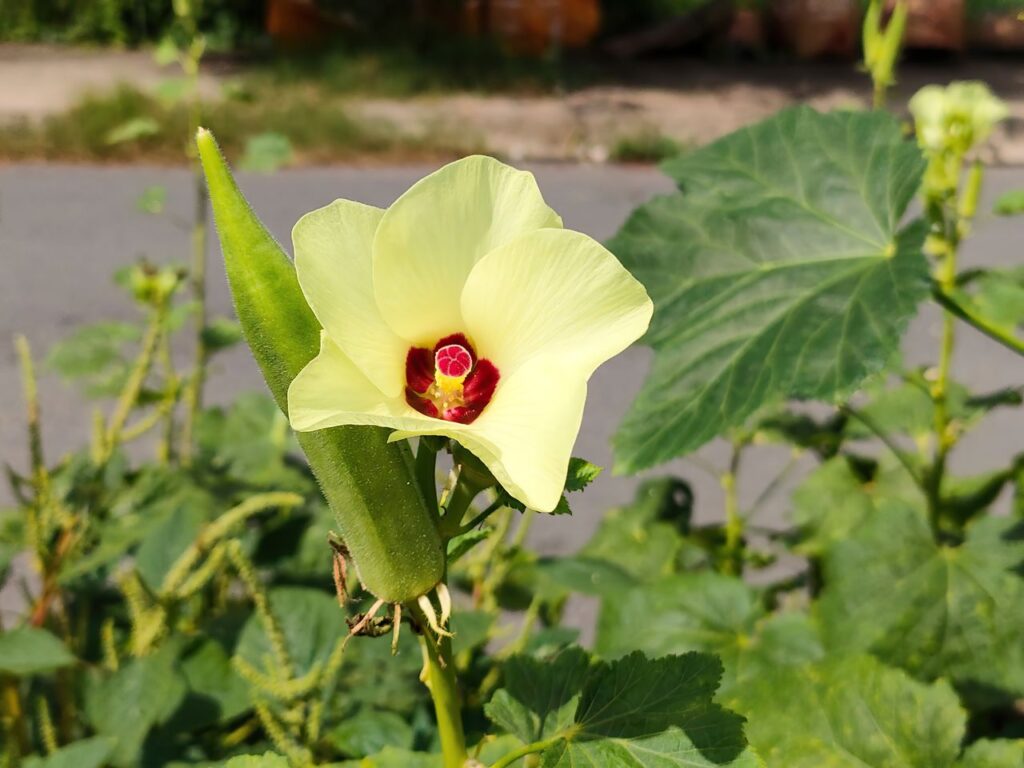
The most useful edible garden is not necessarily the one with the widest variety of crops.
It is the one producing ingredients your household actually uses.
If your family regularly cooks with chillies, curry leaves, pandan, lemongrass, bayam, sawi, okra, brinjal, basil, and cucumber, those crops may deserve far more space than an unusual vegetable that looked exciting on a seed packet but rarely appears in your meals.
Planning around real household eating habits helps you reduce waste, use limited garden space more efficiently, and turn the garden into a genuine extension of the kitchen.
Start with Your Kitchen, Not the Nursery
Before buying seeds or seedlings, look at what your household has eaten over the past couple of weeks.
Which vegetables keep appearing?
Which herbs do you buy repeatedly?
Which ingredients do you often realise you have run out of while cooking?
Those are strong candidates for the garden.
You can make a simple list under three headings:
Used almost every week
Used occasionally
Rarely used
The first group should usually receive the most attention.
Identify the Ingredients You Buy Most Often
Think about your normal grocery or pasar purchases.
Perhaps you frequently buy:
chillies,
sawi,
bayam,
okra,
cucumber,
brinjal,
curry leaves,
pandan,
lemongrass,
mint,
or basil.
Now ask how often each ingredient is used.
Something used several times a week may be worth growing even if each harvest is small.
Something used once every two months probably does not need half your raised bed.
Separate Staples from Fun Crops
There is nothing wrong with experimenting.
A home garden should still be enjoyable.
But it helps to separate:
staple crops — things your family regularly eats,
from
experiment crops — things you are growing mainly because they are interesting.
For example, you could dedicate around 70 to 80 percent of your edible space to familiar household ingredients and leave the remaining space for experimentation.
The exact percentage is up to you.
The important thing is preventing novelty crops from taking over the space needed for useful food.
Think About Quantity, Not Just Crop Choice
Choosing the right crop is only half the job.
You also need to decide how much to grow.
A family may use chilli every week, but that does not mean you need twenty chilli plants.
A few productive plants may already supply more than enough.
Likewise, one pandan plant may serve the household for years.
Leafy vegetables are different because they are harvested more heavily and usually need regular replanting.
Ask:
How much of this crop do we use in an average week?
That question helps determine planting quantity.
Match the Crop to How It Is Harvested
Different plants supply the kitchen in different ways.
Some are harvested repeatedly.
Examples include:
chillies,
okra,
brinjal,
basil,
mint,
curry leaf,
and pandan.
Others are often harvested as a whole plant or over a shorter period.
Examples may include:
sawi,
some bayam plantings,
radish,
and certain leafy vegetables.
This affects your planning.
Repeat-harvest crops can remain in the garden for months.
Short-cycle crops need replacement plantings if you want a continuous supply.
Use Succession Planting for Frequently Eaten Greens
If your household eats leafy vegetables every week, avoid planting everything at once.
Instead, sow smaller batches at intervals.
For example, instead of planting twenty sawi plants today, plant a smaller group.
Two weeks later, sow the next batch.
Then repeat.
This prevents the familiar problem of harvesting too much at once and then having nothing for several weeks.
Succession planting is especially useful when the kitchen needs a steady supply rather than one giant harvest.
Grow High-Use Herbs Close to the Kitchen
Frequently used herbs and flavouring plants deserve convenient locations.
Curry leaf, pandan, mint, basil, daun kesum, lemongrass, and similar plants become much more useful when harvesting them takes less than a minute.
A herb that grows at the far end of an inconvenient garden may be used less often than one beside the kitchen door.
Accessibility is part of garden planning.
The easier it is to harvest, the more likely the crop will actually become part of your cooking.
Prioritise Crops That Are Useful Fresh
Some ingredients offer a particularly strong reason for home growing because freshness matters.
Herbs are a good example.
You may only need a handful of basil or mint, yet buying a whole bundle can leave leftovers.
Growing the plant at home lets you take only what you need.
Chillies can work the same way.
Instead of buying a large packet, you can harvest a few fresh fruits directly from the plant.
This can reduce both food waste and unnecessary purchases.
Look at What Usually Gets Wasted
Your kitchen waste can tell you what not to grow too much of.
If cucumbers are regularly forgotten in the refrigerator, planting several highly productive vines may not make sense.
If nobody finishes a particular leafy vegetable, do not dedicate an entire raised bed to it simply because it grows well.
A successful harvest that nobody eats is still wasted garden space.
Use the garden to solve household food needs, not create new disposal problems.
Consider the Cost of Buying Each Crop
Household use comes first, but price can influence priorities.
Some ingredients are cheap and easy to buy.
Others may be relatively expensive, sold only in quantities larger than you need, or difficult to find in good condition.
If two crops are equally useful to your household, you may choose to give more space to the one that is costly or inconvenient to buy.
But do not base your entire garden on supermarket prices.
A crop that is expensive but extremely difficult to grow in your conditions may still not be worthwhile.
Consider the Space Each Crop Requires
A crop can be popular in the kitchen but impractical in your garden.
Pumpkin is a good example.
Your household may love pumpkin, but a vigorous vine can take substantial space.
In a small terrace-house garden, buying pumpkin may make more sense while using your limited growing area for chillies, herbs, leafy vegetables, or okra.
This is why planning should consider both usefulness and space efficiency.
Give Long-Term Crops Permanent Positions
Some useful edible plants should not be treated like short vegetable crops.
Examples include:
curry leaf,
pandan,
lemongrass,
limau purut,
and certain perennial herbs or fruit plants.
Give these permanent or semi-permanent locations.
Then plan short-cycle vegetables around them.
This creates a stable kitchen-garden foundation while still leaving room for seasonal or rotating crops.
Build a Family Crop Priority List
A simple ranking system can help.
Give each potential crop a score from 1 to 5 for:
How often we eat it
How expensive or inconvenient it is to buy
How well it grows in our space
How much space it requires
How easy it is to maintain
You do not need complicated mathematics.
The purpose is simply to identify the crops that make the most sense.
A crop scoring well across all five categories should probably receive priority.
Plan Around Meals, Not Individual Vegetables
Another useful approach is to think about the meals your household cooks regularly.
If you often prepare curries, stir-fries, sambal, soups, or fried vegetables, list the garden ingredients that repeatedly appear in those meals.
For example, a practical kitchen garden might support meals with:
chillies,
curry leaf,
lemongrass,
pandan,
okra,
brinjal,
bayam,
sawi,
basil,
and cucumber.
The garden now becomes linked to actual cooking habits rather than a random collection of plants.
Ask Which Ingredients You Need in Small Amounts
Some crops are ideal for home gardening precisely because you do not need much.
Curry leaves are a good example.
A recipe may require only a small amount.
The same may apply to mint, basil, pandan, or chillies.
Having a living plant allows you to harvest small quantities whenever needed.
That can be more useful than growing a huge amount of one bulk vegetable.
Adjust the Garden When Eating Habits Change
Your garden plan does not need to stay fixed.
Maybe your household starts eating more salads.
Maybe everyone gets tired of okra.
Maybe you discover that home-grown basil is used constantly.
Change the next crop cycle accordingly.
A practical edible garden should evolve with the household.
Get Everyone Involved
If several people live in the home, ask what they would actually like to harvest.
Children may enjoy cherry tomatoes.
Someone else may want mint for drinks.
Another family member may use pandan frequently.
Giving everyone a small role in choosing crops can increase interest in the garden and reduce the chance of growing food nobody wants.
Keep a Simple Harvest and Usage Record
At the end of each week, note what came out of the garden.
For example:
500 g bayam
12 okra pods
180 g chillies
4 cucumbers
Then ask whether the household used it all.
After a few months, patterns become obvious.
You may discover you are producing too much cucumber but constantly running out of bayam.
That tells you exactly how to adjust the next planting.
Do Not Grow Everything Just Because You Can
Malaysia’s climate allows us to grow a wide range of tropical edible plants.
That does not mean every suitable crop belongs in your garden.
Limited urban space makes selection important.
A garden containing ten useful crops can be far more valuable than one containing thirty plants that rarely enter the kitchen.
Productivity is not about variety alone.
It is about usefulness.
A Simple Family Garden Example
Imagine a household regularly uses:
chillies,
curry leaves,
pandan,
bayam,
sawi,
okra,
brinjal,
and cucumber.
A practical garden might include:
a permanent curry leaf plant,
one or two pandan plants,
several productive chilli plants,
two or three brinjal plants,
a small group of okra,
one cucumber trellis,
and a raised bed rotating bayam and sawi in smaller succession batches.
That is not an enormous garden.
But almost everything it produces has a purpose.
Keep a Small Space for Discovery
Planning around household needs should not remove all experimentation.
Keep one pot, one corner, or a small section of a raised bed for something new.
Try a different herb.
Test a new chilli variety.
Grow an unfamiliar leafy vegetable.
If everyone enjoys it, promote it into the main garden next cycle.
If nobody likes it, you learned something without sacrificing much space.
Review the Garden Every Few Months
Every three months, ask:
What did we eat most?
What produced too much?
What did we keep buying even though we could potentially grow it?
Which crop was constantly available but rarely harvested?
Which plants earned their space?
Which plants should be reduced or removed?
Then rebuild the next garden plan around those answers.
Over time, the garden becomes increasingly customised to your household.
At the end of the day, the best edible garden is not the one growing the most impressive collection of plants — it is the one that consistently produces food your household actually wants to eat. Start with your shopping habits and favourite meals, prioritise frequently used ingredients, stagger short-term crops, give long-term edibles permanent spaces, and adjust planting quantities based on what really reaches the kitchen. For Malaysian home gardeners working with limited urban space, every pot and raised-bed section becomes more valuable when it has a clear purpose.
What are the five crops your household would actually use every week if they were growing outside your kitchen? Tag @projectharvest.my on Instagram and show us your family crop list, kitchen garden, weekly harvest, or the plants you decided were no longer worth the space. We would love to see how Malaysian gardeners are designing edible gardens around the food their families genuinely enjoy eating.