
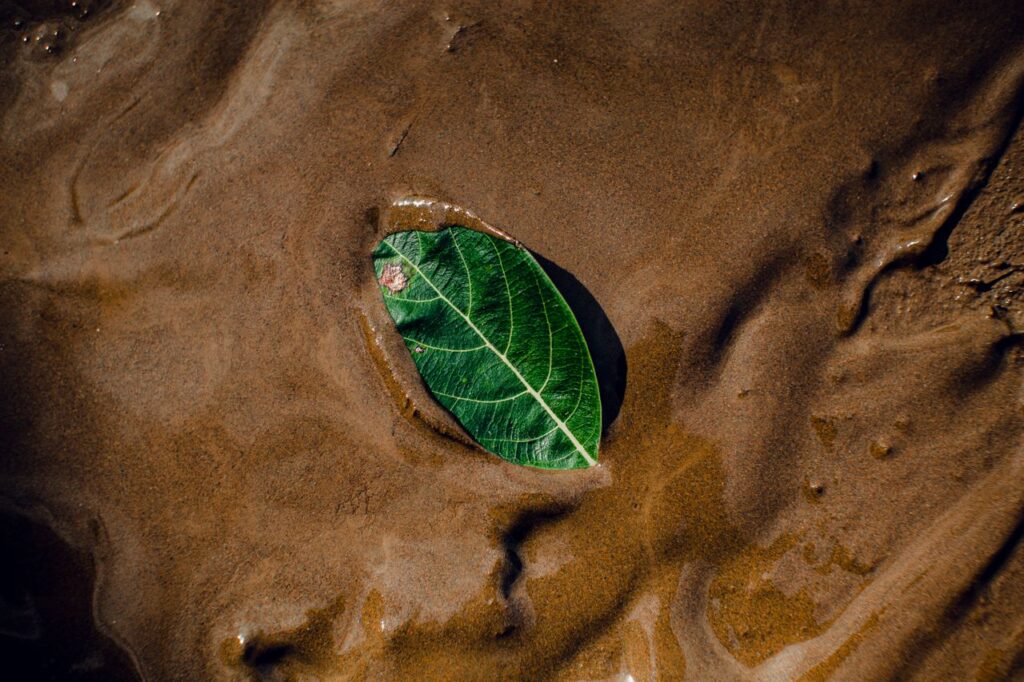
Plant leaves naturally collect dust, soil, water marks, and dirt over time, especially when they are grown indoors, near roads, on balconies, or in sheltered areas with limited rain. While a small amount of dust may not seem serious, a thick layer can make the plant look dull and may reduce the amount of light reaching the leaf surface. Cleaning the leaves occasionally helps the plant look fresher and also gives you a good opportunity to inspect it for pests, damage, or early signs of disease.
For plants with large, smooth leaves, the easiest method is to use a soft damp cloth. Support the leaf gently with one hand and wipe from the base towards the tip using the other. Avoid rubbing too hard because leaves can bruise, tear, or bend easily. Use clean water and rinse the cloth regularly so you are not spreading dirt from one leaf to another.
Smaller plants can sometimes be cleaned with a gentle rinse. Place the pot in a sink, shower area, or outdoor space and use a soft stream of water to wash dust from the leaves. Avoid using strong water pressure because it can damage tender growth or disturb the soil. After rinsing, allow the plant to drain properly and avoid leaving water trapped in decorative pots or saucers.
Plants with very small, hairy, or delicate leaves may not respond well to wiping. For these, use a soft brush, clean makeup brush, or gentle puff of air to remove loose dust. Take your time and avoid forcing water into dense crowns or leaf joints where moisture may remain trapped.
It is usually best to clean leaves during the morning or earlier part of the day so they have time to dry. Avoid placing wet leaves immediately under harsh direct sunlight, as water droplets and sudden heat may stress sensitive plants. You should also avoid using cooking oil, mayonnaise, milk, or heavy commercial leaf-shine products. These may make leaves look glossy temporarily, but they can leave a sticky coating that attracts more dust.
While cleaning, check the undersides of the leaves for pests such as aphids, mealybugs, scale insects, or mites. Sticky residue, white cotton-like patches, webbing, or unusual spots may signal a problem that needs attention.
At the end of the day, cleaning plant leaves should be gentle and simple. Clean water, a soft cloth, careful handling, and regular inspection are usually all you need. There is no need to make every leaf perfectly shiny — the goal is to remove heavy dirt without damaging the plant.
If you are giving your plants a gentle leaf-cleaning session at home, we would love to see the results. Tag @projectharvest.my on Instagram and share your clean plants, your garden-care routine, and your gardening journey with us — your home garden might inspire another Malaysian beginner to care for their plants more confidently too.