
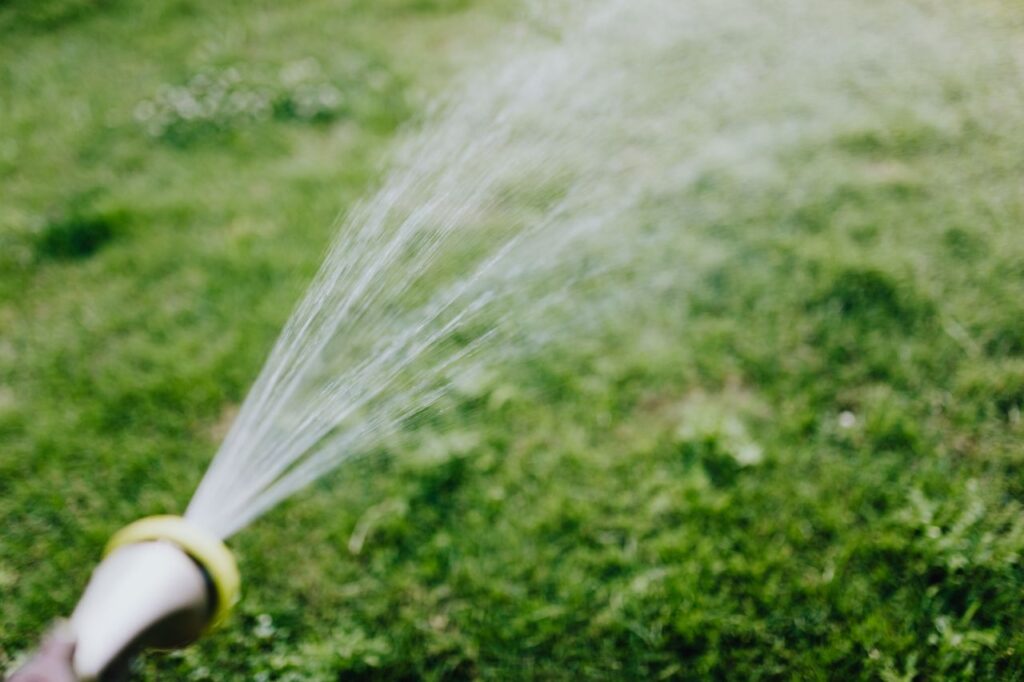
A good dry-season watering plan should answer three questions:
Which plants need water first?
How deeply should they be watered?
How often does the soil actually dry enough to need another watering?
That is more useful than simply deciding to water everything every morning.
Malaysia does not have one identical dry season across the whole country. Drier periods vary by region, monsoon pattern, local weather, and even year to year. But most Malaysian gardeners will eventually experience stretches of hotter weather with less dependable rain.
During those periods, planning ahead can reduce plant stress, water waste, and the exhausting routine of carrying a watering can around twice a day.
Start Before the Garden Becomes Dry
Do not wait until plants are already wilting every afternoon.
Prepare the garden before a prolonged dry spell.
Check irrigation lines.
Repair leaking fittings.
Clear blocked drippers.
Add mulch.
Repot badly root-bound plants where appropriate.
Move highly vulnerable containers away from unnecessarily harsh afternoon heat.
If you use rainwater storage, make sure the tank and collection system are functioning.
A dry-season plan works best when the garden is already prepared to conserve water.
Divide Plants by Watering Priority
Not every plant deserves the same priority when water is limited.
A useful way to organise the garden is by risk.
Highest Priority
These usually include:
newly transplanted seedlings,
young fruit trees,
small pots,
leafy vegetables,
fruiting crops,
and plants with shallow root systems.
They can become stressed quickly because they have either high water demand or limited access to stored soil moisture.
Medium Priority
Established chillies, brinjal, herbs, shrubs, and larger container plants may tolerate slightly longer intervals if they are properly watered.
Lower Priority
Well-established trees, hardy ornamentals, and drought-tolerant plants with extensive root systems may need intervention less frequently.
This does not mean ignoring them.
It means checking the most vulnerable plants first.
Learn How Long Each Area Stays Moist
Your watering plan should be based on drying rate.
After a thorough watering, check the soil the next day.
Then check again a day later.
How long does the root zone remain comfortably moist?
You may discover that:
a small herb pot dries in one day,
a large chilli container lasts two days,
a mulched raised bed lasts three days,
and an established fruit tree still has moist soil after four days.
That information is more useful than any universal watering schedule.
Your garden is effectively telling you how often each zone needs attention.
Check the Root Zone, Not Just the Surface
During dry weather, the upper soil surface can look dry very quickly.
That does not automatically mean the plant needs water.
Push a finger several centimetres into smaller pots.
Use a wooden stick or soil moisture meter for deeper checks.
In raised beds, occasionally dig a narrow inspection hole.
If the surface is dry but the deeper root zone is still moist, you may be able to wait.
This reduces unnecessary irrigation and encourages roots to explore a larger volume of soil.
Water Deeply Enough
Dry-season watering should usually focus on thorough irrigation rather than constant shallow splashing.
A quick spray may only wet the top few centimetres.
That moisture disappears quickly under hot conditions.
Apply water slowly enough that it penetrates into the active root zone.
For established vegetables, this may mean checking whether moisture reaches roughly 15 to 30 cm where practical.
For pots, the entire root ball should become evenly moist.
Deep watering gives plants access to a larger moisture reserve between irrigation sessions.
Morning Is Usually a Practical Time
For many Malaysian home gardens, early morning is a convenient time for dry-season irrigation.
Plants begin the hotter part of the day with access to moisture.
There is also generally less immediate evaporation than during intense midday heat.
But do not turn this into a rigid rule.
If a plant is genuinely dry and severely stressed at 4pm, water it.
Do not leave a dehydrated plant suffering simply because someone told you plants should only be watered at 7am.
Plant need should always come before gardening folklore.
Mulch Should Be Part of the Plan
Mulch can dramatically reduce how quickly exposed soil loses water.
Use suitable organic mulch around raised beds, fruit trees, and larger containers.
Dried leaves, bark-based materials, straw-like plant matter, or other clean organic material can help.
Mulch:
shades the soil,
slows surface evaporation,
reduces temperature swings,
and helps rain or irrigation infiltrate more gently.
Keep mulch slightly away from stems and trunks.
If you add mulch during a dry period, water the soil first and then cover the moist surface.
Containers Need Special Attention
Container gardens are usually the first part of a home garden to struggle during dry weather.
Pots have limited soil volume.
Their sides are exposed to heat and wind.
Small containers may dry within hours.
During a prolonged hot spell:
group compatible pots together,
move vulnerable containers away from harsh afternoon exposure,
add mulch,
use appropriately larger pots,
and consider self-watering systems.
If you have many pots, drip irrigation can reduce the amount of time spent hand watering.
Small containers should be high on your daily inspection list.
Watch Wind as Well as Temperature
A dry season does not need extreme heat to cause rapid water loss.
Wind can dramatically increase evaporation.
Balconies, rooftops, exposed car porches, and open terrace-house gardens may dry much faster than sheltered spaces.
If the weather becomes both hot and windy, check containers more frequently.
A permeable windbreak or more sheltered pot placement may reduce water demand without depriving plants of airflow.
Adjust Irrigation Timers
Automatic irrigation should not be set once and forgotten.
During a dry period, you may need to increase either watering duration, watering frequency, or both.
But adjust gradually.
If a drip system currently waters for 15 minutes, check how deep that actually wets the soil before doubling the duration.
Sometimes a longer, less frequent cycle is more useful than several tiny watering sessions.
Different areas may need separate zones.
Pots, raised beds, and established trees rarely need exactly the same schedule.
Prioritise Plants at Important Growth Stages
Water stress matters more at certain times.
New transplants need consistent moisture while roots establish.
Flowering and fruiting vegetables often need reliable moisture to maintain production.
Tomatoes, chillies, cucumbers, brinjal, and similar crops can suffer reduced fruit quality or flower drop if moisture swings dramatically between very dry and very wet.
This does not mean keeping soil permanently soaked.
It means avoiding extreme moisture fluctuations during sensitive stages.
Do Not Overcompensate
One of the easiest dry-season mistakes is assuming that hotter weather means plants should stay wet all the time.
They still need oxygen around the roots.
Waterlogged soil can damage roots even during hot weather.
If a pot stays wet for days, do not keep watering because the forecast says it is hot.
Check the actual soil.
Your watering plan should respond to moisture, not fear.
Use Shade Strategically
Temporary shade can reduce water demand for vulnerable plants.
Young seedlings, recently transplanted plants, and certain leafy vegetables may benefit from protection during the harshest afternoon heat.
Shade cloth can also be useful in exposed locations.
But do not over-shade crops that require strong light.
The objective is to reduce excessive heat stress, not create weak plants that never receive enough sun.
Make Better Use of Alternative Water Sources
Dry periods are a good time to make use of water you have already collected.
Depending on your setup, this may include:
stored rainwater,
suitable air-conditioner condensate,
or carefully selected household greywater for appropriate non-food or soil-level uses.
Use the cleanest and safest available water source for edible crops.
Do not become so focused on water conservation that you compromise hygiene, plant health, or soil quality.
Measure How Much Water You Are Actually Using
If your garden feels increasingly difficult to maintain, estimate your daily or weekly irrigation demand.
You do not need laboratory accuracy.
Even a rough measurement can help.
How many watering cans do you use each morning?
How quickly does your rainwater tank empty?
How many litres does your drip system deliver per hour?
Once you know the scale, you can decide whether improvements such as a larger rainwater tank, better mulch, larger pots, or drip irrigation are worthwhile.
Create a Simple Daily Check
During prolonged dry weather, a practical routine may look like this:
First, inspect small pots and newly planted seedlings.
Then check fruiting vegetables and raised beds.
Check deeper soil moisture rather than only the surface.
Water only the zones that are becoming dry.
Refill self-watering reservoirs.
Inspect drip emitters.
Check stored water supplies.
Observe weather conditions for the next day.
This may take only a few minutes once the system is established.
Keep a Backup Plan
Think about what happens if you cannot water for two or three days.
Could someone help?
Do you have automatic irrigation?
Could vulnerable pots be temporarily grouped in a more sheltered location?
Does your rainwater tank contain enough reserve?
A dry-season plan is much stronger when it includes a backup.
This becomes especially important before travelling.
Review the Plan as Plants Grow
Water demand does not stay constant throughout the season.
A chilli seedling may use very little water.
Two months later, that same plant may be large, flowering, fruiting, and full of leaves.
Its water demand can be completely different.
Container roots may also fill the pot, reducing the amount of moisture the growing medium can store.
Review the garden every few weeks and adjust.
Your dry-season plan should evolve with the plants.
A Practical Malaysian Dry-Season Strategy
For many home gardeners, the overall system can be kept simple.
Water deeply instead of constantly splashing the surface.
Use mulch.
Check soil before watering.
Prioritise seedlings, small pots, and fruiting crops.
Reduce unnecessary wind and heat exposure.
Use drip irrigation where it saves time.
Collect rainwater when available.
Keep alternative water sources safe.
And adjust based on actual weather rather than a fixed calendar.
That combination will usually save far more water than chasing one perfect irrigation schedule.
At the end of the day, a dry-season watering plan should make your garden less reactive. Instead of waiting for every plant to wilt, you already know which areas dry first, which crops matter most, how deeply your irrigation reaches, and what backup water sources you have available. Malaysia’s drier periods can still be unpredictable, but a garden with deeper roots, better mulch, efficient irrigation, and a clear watering priority list is much easier to keep healthy when the rain stops arriving on schedule.
What is usually the first part of your garden to struggle when Malaysia gets hot and dry — small pots, raised beds, leafy vegetables, or fruiting plants? Tag @projectharvest.my on Instagram and share your dry-season watering routine, irrigation setup, mulch, water-storage system, or the changes that helped your garden cope better. Your strategy might give another Malaysian gardener exactly the idea they need before the next long stretch without rain.