
An edible garden does not have to look messy or purely functional. With a little planning, you can create a space that produces herbs, vegetables, and fruit while still looking attractive enough to become one of your favourite parts of the home. The key is to think about layout, colour, height, and accessibility instead of simply placing plants wherever there is an empty spot.
Start by creating a simple structure. Use raised beds, rows of matching pots, or clearly defined planting areas so the garden feels organised. Leave enough space for pathways and easy access because a garden that is difficult to walk through will also be difficult to water, prune, and harvest.
Mix plants of different heights and shapes. Taller crops such as okra, chillies, brinjal, and trellised cucumbers can form the background, while herbs and leafy greens fill the middle and lower areas. Ground-level plants such as mint in containers, pegaga, or suitable leafy vegetables can soften the edges. This creates visual layers while making better use of the available space.
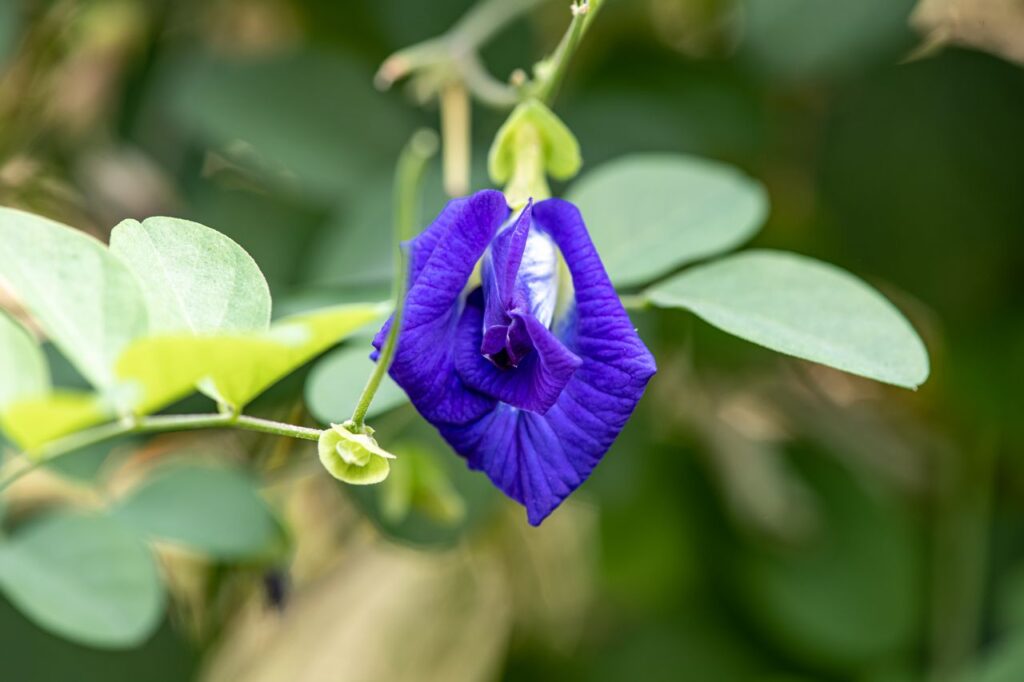
Add flowers and attractive herbs between edible crops. Basil, butterfly pea, marigolds, rosemary, and flowering herbs can add colour while supporting pollinators and beneficial insects. Even plants like pandan, lemongrass, curry leaf, and turmeric can become design features when grouped neatly instead of scattered randomly.
Use repetition to make the garden look intentional. Two matching pots of chillies at an entrance, a row of herbs near the kitchen, or repeated clusters of leafy greens can make the space feel more polished. You do not need identical plants everywhere, but repeating a few colours, pot styles, or shapes helps connect the garden visually.
Keep productivity in mind when choosing locations. Place sun-loving fruiting crops in the brightest areas and keep herbs that you use often somewhere easy to reach. Train climbing plants upward on trellises so they do not take over valuable floor space.
Finally, avoid overcrowding. A beautiful edible garden still needs airflow, drainage, and enough room for plants to mature. Leaving some open space can actually make the garden look better while improving plant health.
At the end of the day, a productive garden becomes beautiful when it feels organised, balanced, and easy to use. Combine useful crops with flowers, vertical structures, neat pathways, and thoughtful spacing, and the garden can become both a food source and a space you genuinely enjoy looking at.
If you are designing a beautiful edible garden at home, we would love to see how you bring it together. Tag @projectharvest.my on Instagram and share your layout, favourite plant combinations, harvests, and gardening journey with us — your garden might inspire another Malaysian beginner to create a space that is both productive and beautiful too.