
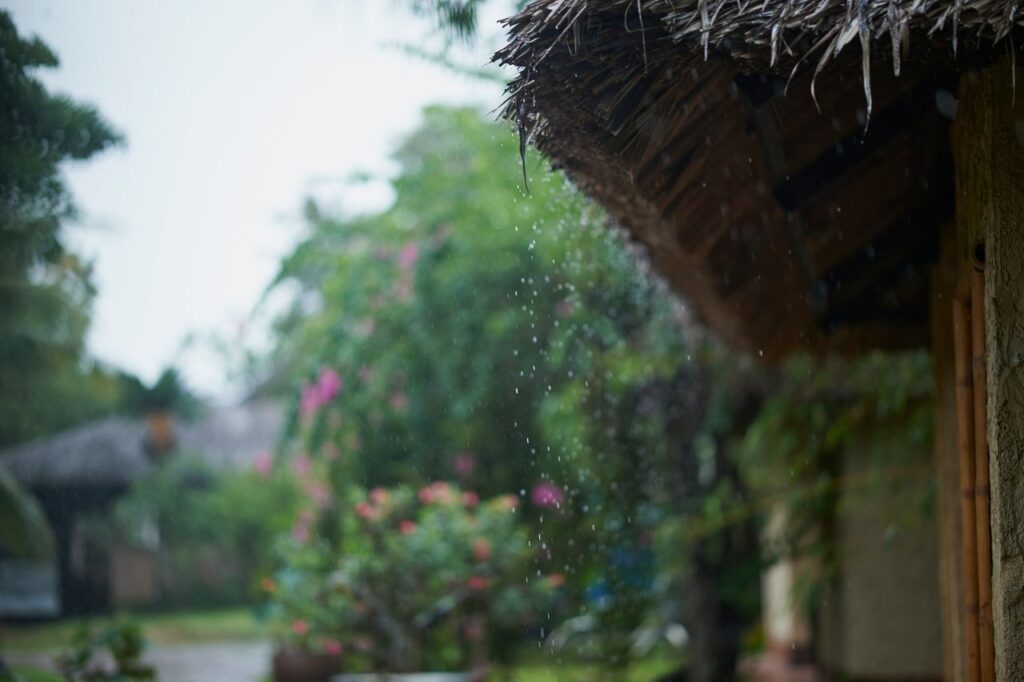
Harvesting after rain can feel tricky for beginner gardeners. The garden looks fresh and full of life, but the plants are wet, the soil may be soft, and some stems or fruits can be more delicate than usual. If you rush in too quickly, you may bruise produce, tear soft growth, compact wet soil, or spread unnecessary stress through the plant. The good news is that you can still harvest after rain — you just need to do it more gently and a little more thoughtfully.
The first thing to consider is timing. If possible, do not harvest immediately while rain is still dripping heavily from the plant. Giving the garden a little time to settle can make a big difference. Even waiting until the leaves are less soaked and the heaviest dripping has stopped can reduce damage. Wet leaves and stems are often softer and easier to tear, especially on herbs and leafy greens.
Another important thing is to avoid rough handling. After rain, plants can be more fragile than usual. Instead of pulling, twisting, or snapping produce off by hand, use clean scissors or pruning snips whenever possible. This is especially helpful for herbs, leafy greens, chillies, and soft stems. A neat cut causes less stress than tugging on a wet plant that is already more delicate than normal.
You should also pay attention to the soil under your feet. Wet soil can become compacted more easily if you step heavily around the plants, especially in small beds or soft growing areas. Try to move carefully, use existing paths if you have them, and avoid turning the harvest into a muddy, damaging walk through the garden. This matters more than many beginners realise, especially during rainy weeks in Malaysia.
For root crops, harvesting after rain can actually help in one way because the soil may be softer and easier to loosen. But even then, it is still better to lift gently rather than yank. For fruits and vegetables above ground, handle them carefully and place them into a clean container instead of dropping them roughly into a basket or bag. Wet produce can bruise or spoil faster if packed carelessly.
It is also smart to look for damaged or disease-prone leaves after rain, but do not over-prune while everything is still wet unless there is a clear reason. Keep the harvest focused, gentle, and tidy. Once the produce is brought inside, dry and clean it properly before storage or use.
At the end of the day, harvesting after rain is not about avoiding the garden completely. It is about slowing down, using gentler cuts, protecting wet soil, and respecting that plants are a little more vulnerable than usual. A careful rainy-day harvest can still be a very good one.
If you are harvesting after rain at home, we would love to see it. Tag @projectharvest.my on Instagram and share your harvest, your rainy-day garden, and your gardening journey with us — your home garden might inspire another Malaysian beginner to start growing too.