
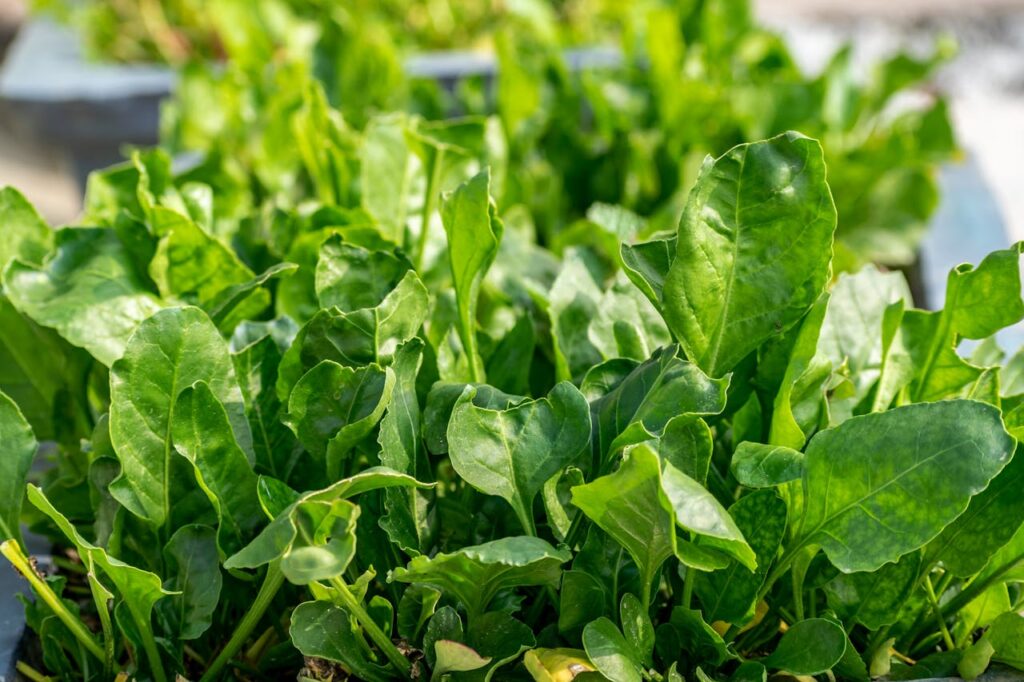
Bayam is one of the most rewarding vegetables to grow at home because it grows quickly, looks lush, and can give you repeated harvests if handled properly. Many beginners make the mistake of pulling out the whole plant too early or cutting too much at once, which stops future growth. The good news is that if you harvest bayam the right way, you can often keep getting fresh leaves for longer instead of treating it as a one-time crop. The secret is to harvest gently and leave enough healthy growth behind for the plant to recover.
The best approach is usually to start by taking the older outer leaves first. These are the leaves that are already mature and ready to use, while the younger inner leaves can continue growing. By harvesting from the outside and leaving the centre of the plant alone, you give bayam a chance to keep pushing out fresh new growth. This method works especially well when the plant is still healthy and actively growing in good light and moisture.
Another option is to use clean scissors or pruning snips to cut the upper part of the plant lightly instead of uprooting it. If you do this, avoid cutting too low. Leave a healthy lower section with enough leaves and stem for the plant to continue photosynthesising and regrowing. If you cut too aggressively or too close to the base, recovery may be slower or the plant may stop producing altogether. Gentle, repeated harvesting is usually better than one heavy cut.
It is also important not to wait too long. Bayam is usually nicest when harvested while the leaves are still tender and fresh. If you leave it for too long, the plant may become older, rougher, or less productive. Regular checking helps you catch the best harvest stage and keeps the plant looking tidy too. After harvesting, continue watering properly and make sure the container or garden bed stays in good condition so the plant can bounce back well.
At the end of the day, harvesting bayam so it keeps producing is all about leaving enough of the plant behind to recover. Take older leaves first, cut gently, and avoid removing everything in one go. When done properly, bayam can stay productive and keep rewarding you with fresh leafy greens for much longer.
If you are harvesting bayam at home, we would love to see it. Tag @projectharvest.my on Instagram and share your bayam container, your harvests, and your gardening journey with us — your home garden might inspire another Malaysian beginner to start growing too.