
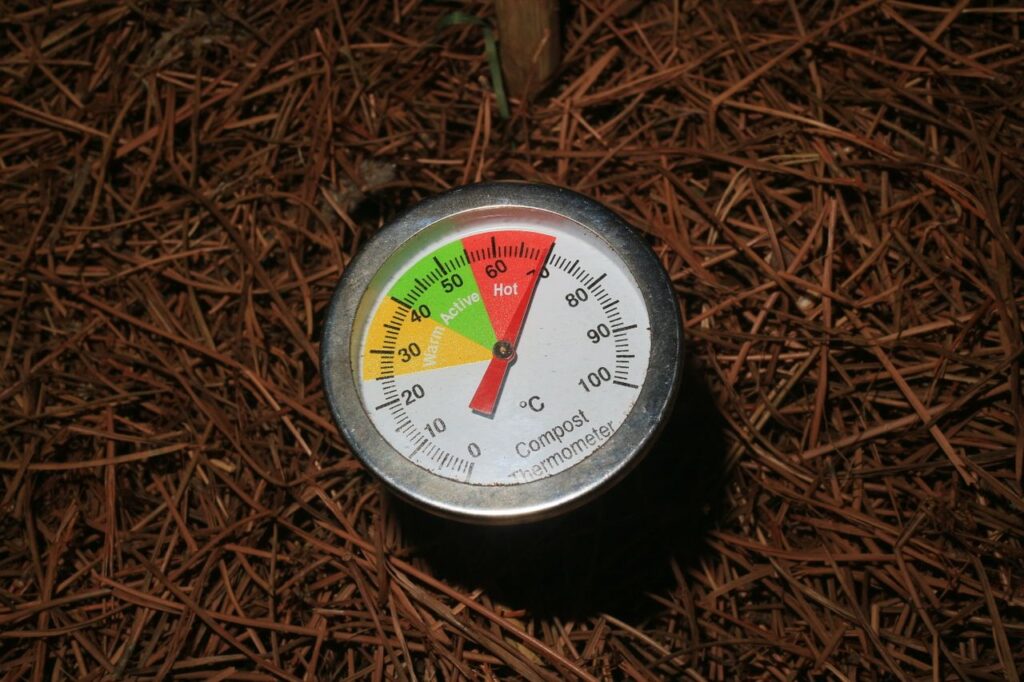
Homemade compost is a simple way to turn kitchen and garden waste into rich organic material for your plants. Instead of throwing away vegetable peels, fruit scraps, dried leaves, and small garden trimmings, you can allow them to break down into compost that helps improve soil structure and moisture retention. Malaysia’s warm climate can speed up decomposition, but the heat, humidity, and heavy rain also mean that moisture and airflow must be managed carefully.
Start with a compost bin or container that has enough ventilation and drainage. You can use a purpose-made compost bin, a large plastic container with air holes, or a protected compost pile if you have sufficient outdoor space. Place it in a shaded or partly shaded area that is protected from heavy rain. Too much direct rain can make the compost waterlogged, while intense sunlight may dry it unevenly.
Good compost needs a balance of green materials and brown materials. Green materials include fruit and vegetable scraps, coffee grounds, fresh grass clippings, and soft plant trimmings. These provide moisture and nitrogen. Brown materials include dried leaves, shredded cardboard, plain paper, small twigs, and dry plant matter. These add carbon, absorb excess moisture, and create air spaces inside the pile.
Begin with a layer of dry brown material, then add a smaller layer of kitchen scraps before covering it with more brown material. Covering food waste helps reduce smells and makes the compost less attractive to flies and other pests. Avoid adding meat, fish, dairy products, oily food, cooked dishes, pet waste, diseased plants, or large amounts of citrus at once.
The compost should feel moist like a squeezed sponge, not dripping wet. If it becomes soggy or smells unpleasant, add more dried leaves, shredded cardboard, or other brown material. If it looks completely dry and decomposition has slowed, add a little water or more fresh green material. Turn or mix the pile occasionally to introduce oxygen and help everything break down more evenly.
Chopping larger scraps into smaller pieces can also speed up the process. Continue adding materials in balanced layers and be patient. Finished compost should look dark and crumbly, smell earthy, and no longer resemble the original kitchen scraps.
At the end of the day, successful composting is about balancing moisture, airflow, green materials, and brown materials. Start small, keep food scraps covered, protect the pile from heavy Malaysian rain, and adjust whenever it becomes too wet, dry, or smelly.
If you are making homemade compost in Malaysia, we would love to see your setup and progress. Tag @projectharvest.my on Instagram and share your compost bin, finished compost, and gardening journey with us — your experience might inspire another Malaysian beginner to turn everyday waste into something valuable for the garden too.