
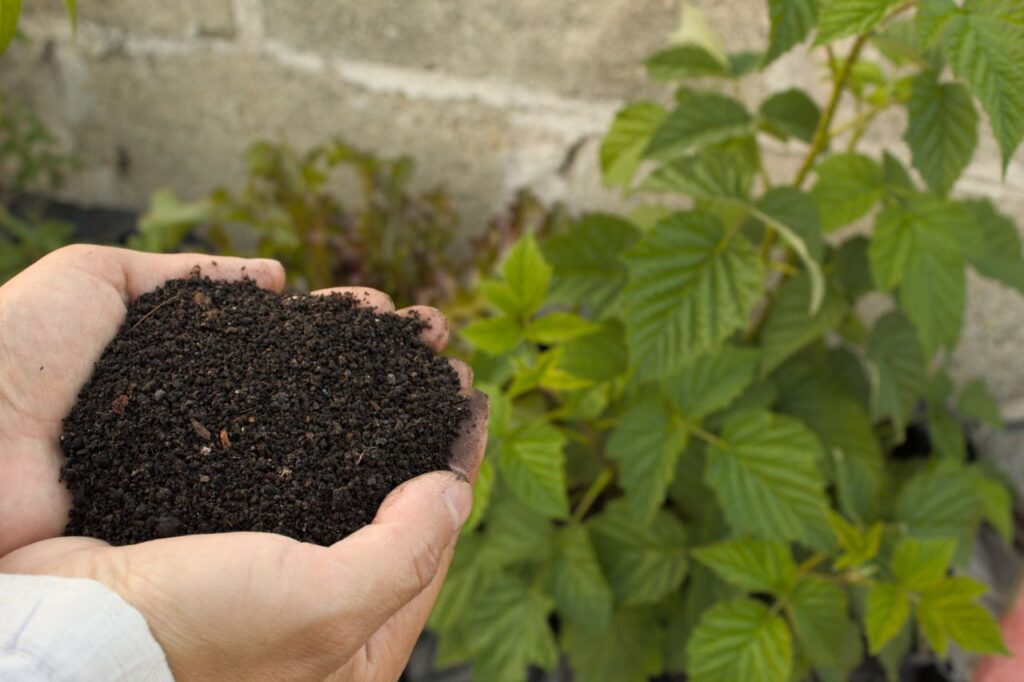
Making your own fertilizer at home does not have to involve complicated recipes or expensive equipment. One of the safest and most useful homemade options is finished compost. Compost turns kitchen scraps and dry garden materials into a dark, crumbly soil amendment that adds organic matter and slowly returns nutrients to the garden. It may not work as quickly as a concentrated commercial fertilizer, but it can improve the soil and support healthier plant growth over time.
To begin, collect suitable green materials such as vegetable peelings, fruit scraps, coffee grounds, used tea leaves, and fresh plant trimmings. These materials provide moisture and nitrogen. You will also need brown materials such as dried leaves, shredded plain cardboard, paper egg cartons, and small dry twigs. Brown materials provide carbon, absorb excess moisture, and help maintain airflow inside the compost.
Place a layer of brown material at the bottom of a ventilated compost container. Add a smaller layer of kitchen scraps, then cover it with more brown material. Continue building the compost in layers whenever new scraps are available. Avoid adding meat, fish, dairy products, cooking oil, greasy leftovers, pet waste, or diseased plant material, as these may create smells, attract pests, or introduce problems.
The compost should remain moist but not soaked. A useful comparison is a squeezed sponge: damp enough to support decomposition but not dripping with water. If the pile smells unpleasant or becomes slimy, add more dried leaves or shredded cardboard. If it is completely dry, add a small amount of water or fresh green material. Mixing or turning the pile occasionally introduces oxygen and helps the contents break down more evenly.
The compost is ready when it looks dark and crumbly, smells earthy, and no longer resembles the original scraps. Mix a small amount into garden soil or potting mix before planting, or spread a thin layer around established plants. Keep it slightly away from the main stems and trunks.
Avoid placing fresh kitchen scraps directly into plant pots. Fresh waste can attract flies, create odours, and temporarily disturb the soil as it decomposes. Also be careful with popular homemade mixtures such as banana-peel water or concentrated coffee grounds. They do not provide balanced nutrition and may create more problems when overused.
At the end of the day, the best homemade fertilizer begins with properly finished compost. Balance green and brown materials, manage moisture, provide airflow, and allow enough time for decomposition. The result is a practical garden resource made from materials that might otherwise be thrown away.
If you are making homemade fertilizer or compost for your garden, we would love to see your progress. Tag @projectharvest.my on Instagram and share your compost setup, finished fertilizer, and gardening journey with us — your experience might inspire another Malaysian beginner to turn everyday waste into healthier soil too.