
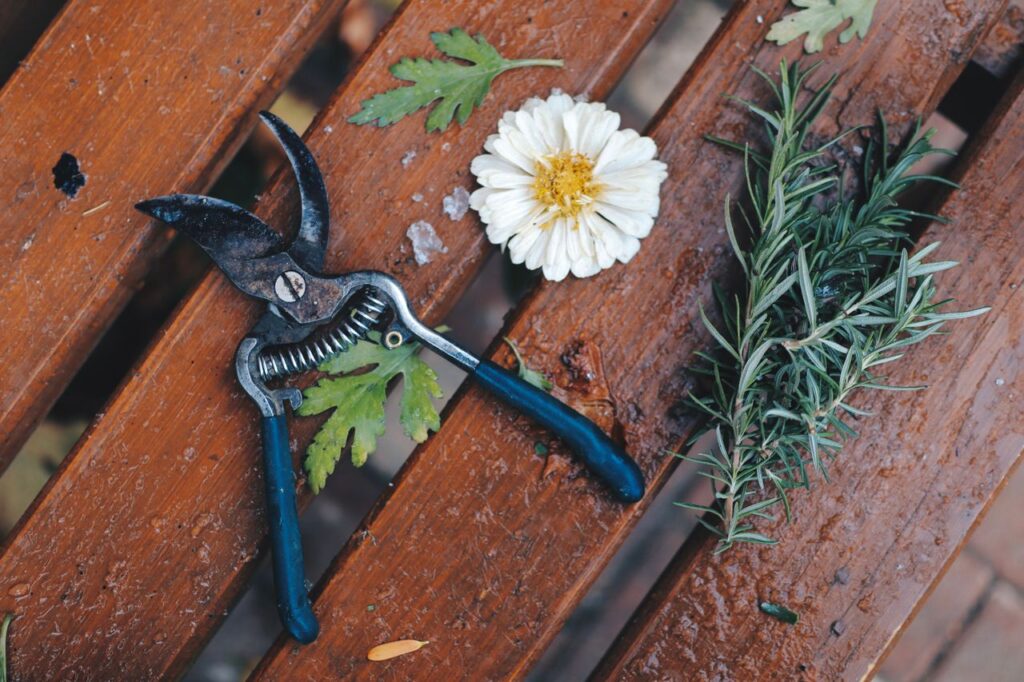
Pruning can feel intimidating when you are new to gardening. Cutting healthy-looking leaves or stems can seem wrong at first, and many beginners worry they will damage the plant by trimming too much or cutting in the wrong place. But when done properly, pruning is one of the best things you can do for many plants. It helps improve shape, encourages fresh growth, removes weak or damaged parts, and can even make herbs, vegetables, and fruit plants more productive over time.
The first thing to understand is that pruning should have a clear reason. You are usually pruning to remove dead or damaged growth, improve airflow, shape the plant, or encourage bushier regrowth. Pruning should not be random cutting just because the plant looks messy. A thoughtful trim is much better than an aggressive one.
Before you start, make sure you use clean pruning scissors or garden snips. This helps you make neat cuts and avoids unnecessary damage. Dirty or blunt tools can tear stems instead of cutting them cleanly, which makes recovery harder for the plant. Always begin by removing anything that is clearly dead, yellowing, weak, or damaged. This gives the plant a cleaner base and helps it focus its energy on healthier growth.
For many herbs and leafy plants, the best place to prune is just above a leaf node, which is the point where leaves or side shoots grow from the stem. Cutting above that point often encourages the plant to branch out and become fuller. This is especially useful for herbs like basil, mint, and daun kesum, which often respond well to regular light pruning. For larger plants, pruning may be more about removing crossing branches, overgrown shoots, or unhealthy parts to improve structure and airflow.
One of the biggest beginner mistakes is taking too much off at once. A heavy prune can shock the plant, especially if it is already stressed or still young. It is usually safer to prune lightly and regularly rather than cutting everything back in one go. Another common mistake is pruning when the plant is already weak from heat, poor drainage, or other stress. Healthy plants usually recover better from pruning than struggling ones.
Timing matters too. A cooler part of the day, especially morning, is often a better time to prune than the hottest afternoon hours. This gives the plant a calmer environment to recover from the cut.
At the end of the day, pruning plants the right way is about being tidy, gentle, and intentional. Use clean tools, cut for a reason, avoid overdoing it, and let the plant respond. Once you get comfortable with it, pruning becomes less scary and much more satisfying.
If you are pruning your plants at home, we would love to see it. Tag @projectharvest.my on Instagram and share your plant progress, your garden setup, and your gardening journey with us — your home garden might inspire another Malaysian beginner to start growing too.