
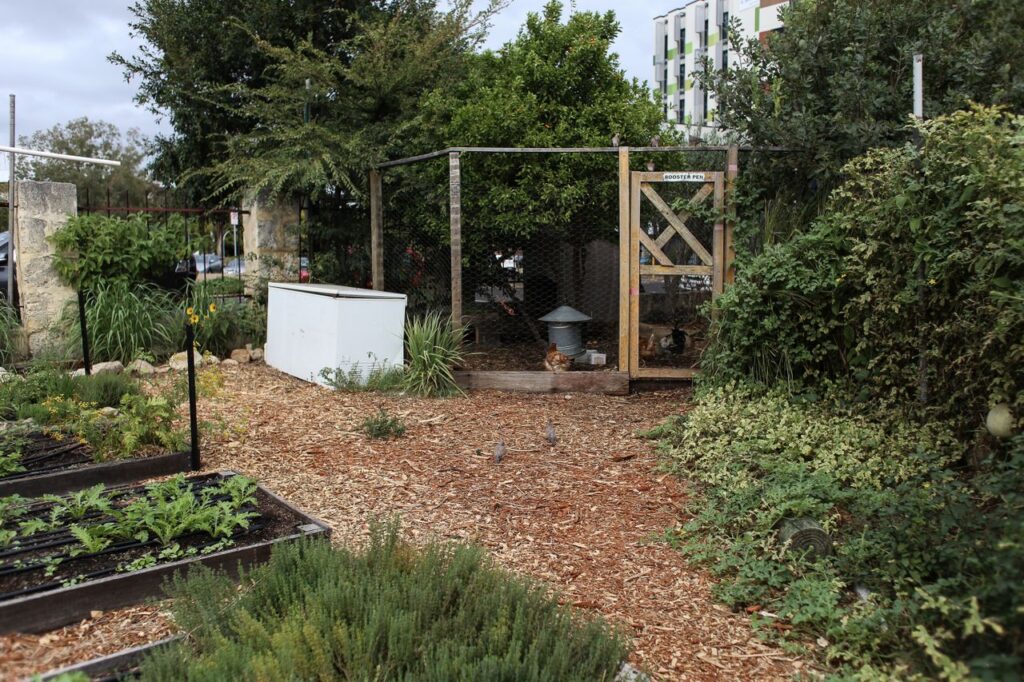
A sustainable garden is designed to grow useful, healthy plants while reducing waste, conserving resources, and working more closely with nature. You do not need a large piece of land or an expensive setup to begin. A balcony, porch, small yard, or collection of pots can become more sustainable through a few thoughtful habits.
Start by choosing plants that suit your space and Malaysia’s tropical conditions. Herbs such as pandan, lemongrass, curry leaf, basil, and daun kesum are useful choices when their light and water needs match your garden. Growing suitable plants reduces the amount of extra water, fertiliser, and pest treatment needed to keep them alive.
Try to reuse what you already have. Clean buckets, sturdy food containers, and old pots can become planters when proper drainage holes are added. Bamboo, wooden offcuts, or strong branches may be reused as stakes and simple trellises. Avoid collecting too many unsuitable containers, as some may crack quickly, hold stagnant water, or become difficult to maintain.
Composting is another important part of sustainable gardening. Fruit and vegetable scraps, coffee grounds, dried leaves, and plain cardboard can be turned into finished compost instead of being thrown away. Compost helps return organic matter to the soil and reduces dependence on constant fertiliser use. Fresh kitchen scraps should be composted properly rather than buried directly beside plant roots.
Use water carefully by checking the soil before watering. A fixed daily schedule can waste water and keep some plants too wet. Water near the root zone during the cooler morning, group plants with similar needs, and add a suitable layer of mulch to slow moisture loss. During rainy periods, focus on drainage and avoid allowing pots to sit in trapped water.
A sustainable garden should also support biodiversity. Grow a mixture of edible plants, herbs, and flowers to attract bees, butterflies, and beneficial insects. Inspect pest problems early and use physical removal, water sprays, barriers, or targeted treatments before reaching for broad pesticides.
Start small and expand only when your routine feels manageable. A few productive plants cared for consistently are more sustainable than a crowded garden where resources, pots, and materials are constantly wasted.
At the end of the day, sustainable gardening is about making better use of what you already have. Choose suitable plants, reuse materials responsibly, compost organic waste, conserve water, protect helpful insects, and avoid unnecessary chemicals. Small decisions repeated over time can create a healthier and more resilient home garden.
If you are building a sustainable garden at home, we would love to see your progress. Tag @projectharvest.my on Instagram and share your reused planters, composting habits, water-saving ideas, and gardening journey with us — your experience might inspire another Malaysian beginner to grow in a more thoughtful way too.