
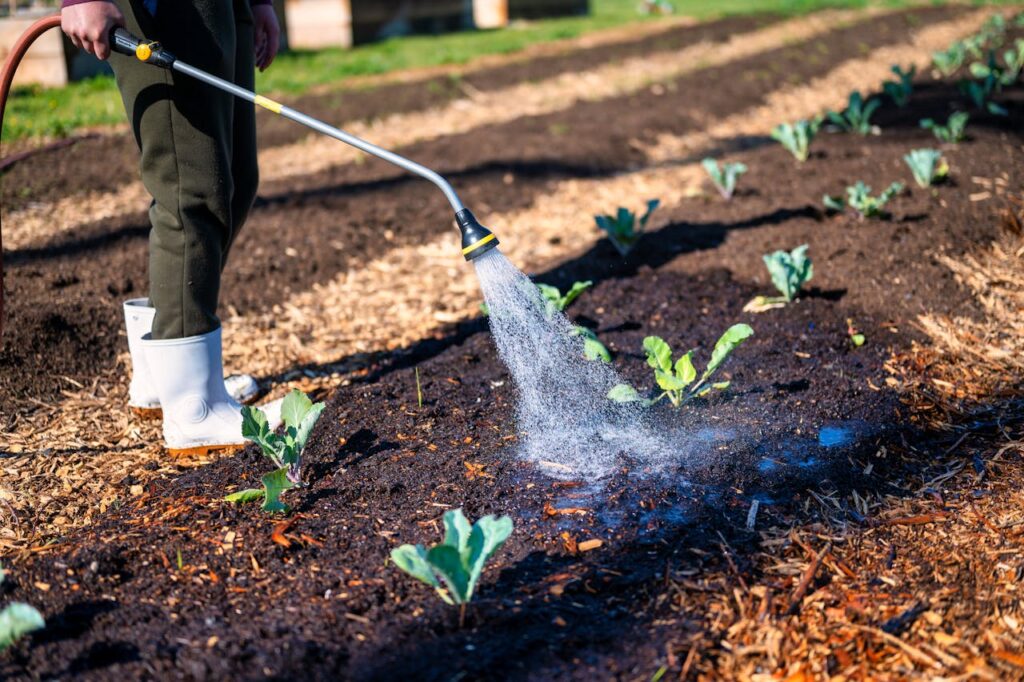
Watering sounds like one of the easiest parts of gardening, but it is actually where many beginners make their biggest mistakes. In Malaysia’s warm and humid weather, it is common to assume plants need water all the time. So naturally, many first-time gardeners water too often, thinking they are helping their plants stay healthy. Unfortunately, too much water can be just as harmful as too little. Overwatering can cause yellow leaves, weak growth, fungal problems, and root rot. That is why learning how to water properly is one of the most important skills in building a successful home garden.
The first thing beginners need to understand is that plants do not need water just because the weather feels hot. What matters more is the condition of the soil. If the soil is still moist below the surface, adding more water may do more harm than good. A simple and reliable habit is to check the soil with your finger before watering. Push your finger about an inch into the top layer. If it feels dry, it is usually time to water. If it still feels damp, wait a little longer. This is one of the easiest ways to avoid overwatering, especially when you are still getting to know your plants.
Another important point is that watering should be based on the plant, the pot, and the environment — not just on a fixed schedule. Some beginners water every single day no matter what, but that does not always make sense. A plant in a small pot under strong sun may need water more often than a plant in a larger container kept in partial shade. Rainy days, humidity, wind, and the type of soil or potting mix also affect how quickly the soil dries out. This is why observation matters more than blindly following a routine.
The best time to water is usually in the morning. Morning watering gives plants time to absorb moisture before the heat of the day builds up. It also reduces the risk of sitting in wet conditions overnight, which can sometimes encourage fungus and other issues. Evening watering can still work if needed, especially on very hot days, but in general, morning is the safest and most beginner-friendly habit. Watering during the hottest part of the afternoon is usually less ideal because some of the moisture may evaporate too quickly before it benefits the roots properly.
It is also important to water the soil, not just the leaves. Beginners sometimes splash water all over the plant and assume the job is done, but the roots are the part that actually needs consistent moisture. Aim your watering toward the base of the plant so the water reaches the root zone. Wetting the leaves too often, especially late in the day, can sometimes create unnecessary problems. The goal is to soak the soil properly without leaving it constantly soggy.
Good drainage is another huge part of watering properly. Even if you water the correct amount, a pot without drainage holes can still trap excess water and create root problems. That is why healthy watering is not just about how much water you pour in — it is also about whether the excess can flow out. Plants growing in pots, grow bags, or containers should always have proper drainage. If water cannot escape, the roots may suffocate over time.
Signs of overwatering can include yellowing leaves, soft stems, drooping even though the soil is wet, mouldy smells, or slow growth. Many beginners see drooping and assume the plant is thirsty, then water even more, which makes the problem worse. That is why checking the soil first is so important. A drooping plant in wet soil does not usually need more water — it may need less.
At the end of the day, proper watering is about balance. You do not want the soil bone dry for too long, but you also do not want it constantly soaked. Start simple, check the soil before watering, use pots with drainage, and pay attention to how your plants respond. Once you get into that rhythm, watering becomes much less confusing and your plants will be much happier for it.
If you are learning how to care for your plants at home, we would love to see your gardening journey. Tag @projectharvest.my on Instagram and share your setup, your progress, and your plant babies with us — you might inspire another Malaysian beginner to start growing too.