
One of the hardest things for beginner gardeners to figure out is whether a plant is actually hungry or whether something else is going wrong. A weak-looking plant does not always mean it needs fertiliser right away. Sometimes the real problem is too much water, too little light, poor drainage, or roots that are struggling for another reason. Still, there are some common signs that can suggest your plant may not be getting enough nutrients, especially if growth has slowed and the overall plant looks less healthy than it should.
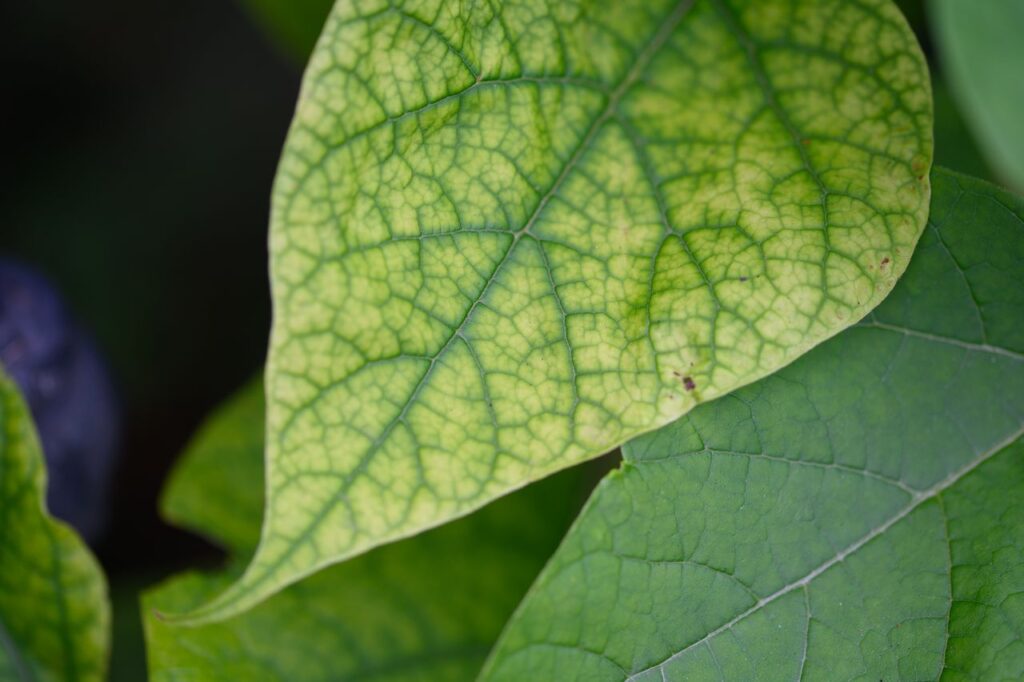
One of the most common signs is yellowing leaves. But even this needs a closer look. If the older lower leaves turn pale green or yellow first, that can often point to a lack of nitrogen. Nitrogen is one of the nutrients plants use heavily for leaf growth, so when it is in short supply, older leaves often show the problem earlier. If the leaves are yellowing between the veins while the veins stay greener, that can suggest a nutrient issue such as iron-related chlorosis. In some plants, this kind of pattern shows up more clearly on younger leaves.
Another sign is slow or stunted growth. If the plant is not putting out strong new leaves, seems smaller than it should be, or just looks like it has stopped moving forward, nutrient shortage may be part of the problem. A healthy plant usually has a sense of momentum. When that disappears without another obvious explanation, feeding may need attention.
You may also notice poor fruiting or weak flowering. A plant that grows leaves but struggles to flower well or set fruit can sometimes be out of balance nutritionally. At the same time, too much fertiliser can also cause problems, so this is where observation matters. Some nutrient issues show up as brown leaf edges, tip burn, weak stems, or poor-quality new growth rather than just general yellowing.
The most important thing for beginners is not to panic and throw fertiliser at every problem. Nutrient symptoms can sometimes look very similar to overwatering, poor drainage, high soil pH, or root stress. That is why it helps to ask a few questions first. Is the plant getting enough light? Is the soil staying too wet? Is the pot too cramped? Once those basics are checked, nutrient shortage becomes easier to judge more accurately.
At the end of the day, signs your plant may need more nutrients often include yellowing leaves, poor growth, weak new growth, and reduced flowering or fruiting. But the smartest approach is always to look at the whole plant, not just one symptom. A balanced gardener observes first, then feeds thoughtfully.
If you are trying to figure out what your plants need, we would love to see it. Tag @projectharvest.my on Instagram and share your plant problems, your garden setup, and your gardening journey with us — your home garden might inspire another Malaysian beginner to grow with more confidence too.