
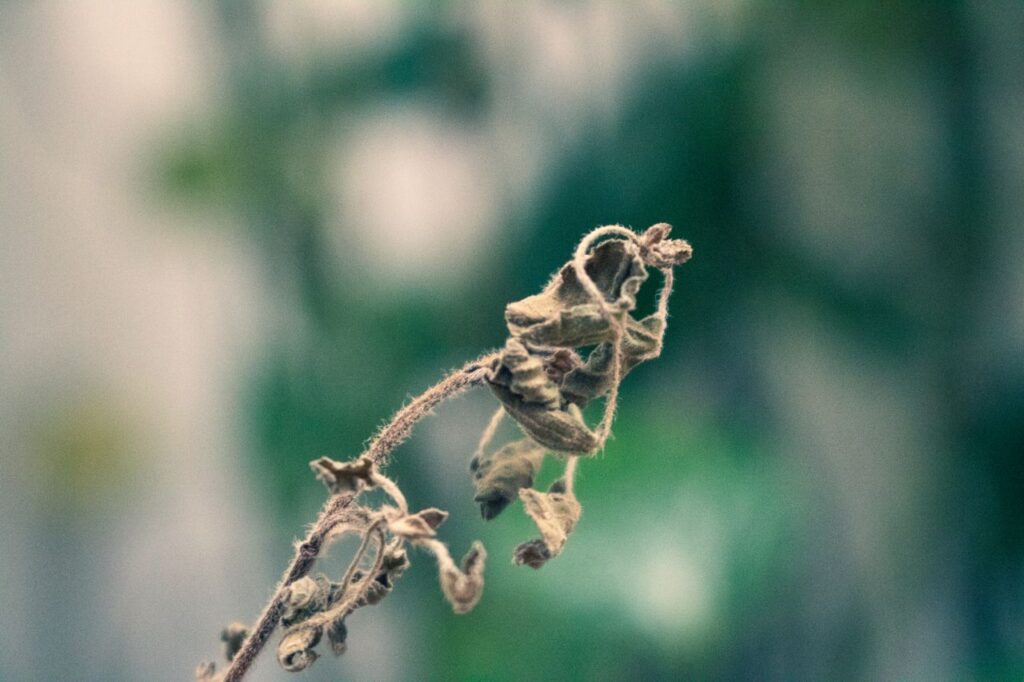
Plants often show small warning signs before a serious problem develops. Learning to notice these changes early can help you correct watering, pests, disease, or growing conditions before the plant becomes badly damaged.
1. Yellowing leaves are one of the most common warning signs. They may result from overwatering, poor drainage, nutrient problems, root stress, or simply older leaves naturally dying. Pay attention when yellowing begins spreading quickly or affects new growth.
2. Wilting despite wet soil can suggest that the roots are struggling. Constantly soggy soil may reduce oxygen around the roots and lead to root damage, preventing the plant from taking up water properly.
3. Dry, crispy leaf edges may indicate underwatering, excessive heat, strong sun, or inconsistent watering. If several leaves develop brown edges at the same time, check the soil and growing conditions.
4. Curled or twisted leaves can be caused by heat stress, watering problems, sap-sucking pests, or chemical damage. Inspect the undersides of affected leaves for aphids, mites, or other insects.
5. Holes in leaves often point to caterpillars, beetles, snails, or slugs. Check the plant at different times of day and look beneath leaves for pests, droppings, or slime trails.
6. Sticky leaves are frequently linked to pests such as aphids, mealybugs, whiteflies, or scale insects. These pests produce a sugary substance called honeydew, which can also attract ants.
7. White, grey, or unusual spots may signal fungal disease, pest damage, or mineral residue. Watch whether the spots spread or appear on multiple leaves.
8. Slow or completely stopped growth can indicate insufficient light, poor nutrition, damaged roots, overcrowding, or a pot that is too small. Compare the plant with its normal growth pattern before assuming something is wrong.
9. Weak, thin, or leggy stems usually suggest insufficient light. Plants stretch towards brighter areas and become less sturdy. Improving light and pruning appropriately can encourage stronger growth.
10. Sudden leaf drop is another sign worth investigating. A few old leaves falling naturally is normal, but heavy leaf loss can follow watering stress, transplant shock, pest attacks, or major environmental changes.
At the end of the day, one unusual leaf does not always mean disaster. Look for patterns, check the soil, inspect for pests, and observe whether the problem is spreading. Catching small warning signs early is one of the best habits a gardener can develop.
If your plants have been showing unusual warning signs, we would love to see what you discover. Tag @projectharvest.my on Instagram and share your plant symptoms, recovery progress, and gardening journey with us — your experience might help another Malaysian beginner recognise a problem before it becomes serious too.