
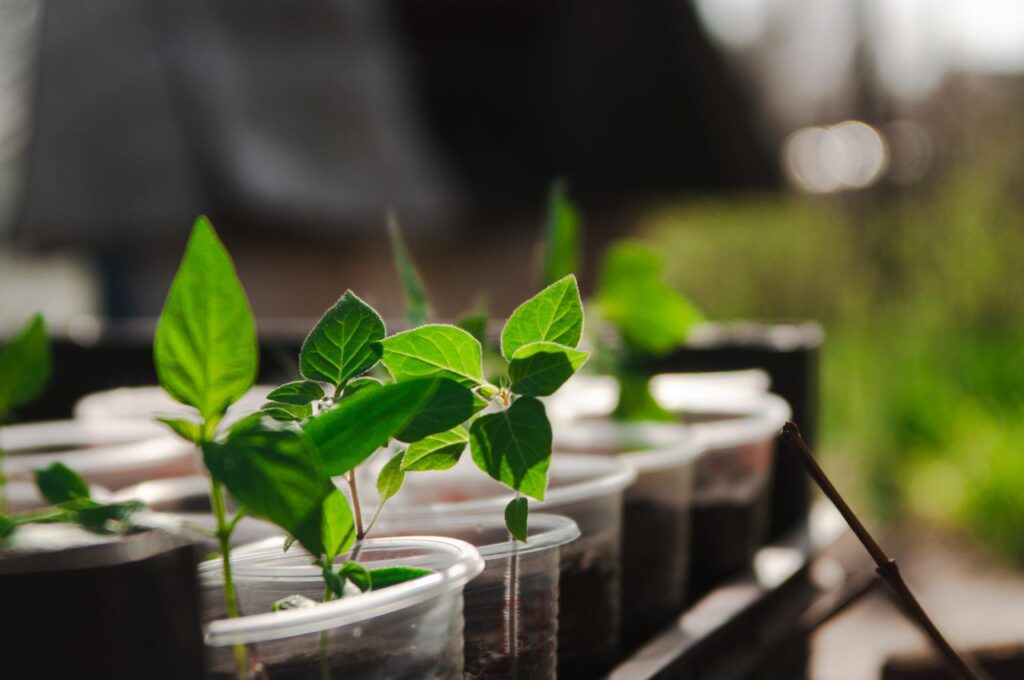
A healthy garden will never be completely free from insects, but strong plants and a balanced growing environment can make serious pest problems less common. Instead of waiting for an infestation and reaching for a spray, focus on creating conditions where plants can grow strongly and natural predators can help keep pests under control.
Start with healthy soil and roots. Plants growing in compacted, waterlogged, or nutrient-poor soil are more likely to become stressed. Add finished compost when appropriate, use a suitable growing mix, and make sure containers have good drainage. Water according to the plant’s needs rather than automatically watering every day. Strong roots create stronger plants that are better able to recover from minor pest damage.
Give plants enough light and space. Crowded plants create humid, sheltered areas where pests can hide and diseases can spread. Proper spacing improves airflow and makes it easier to inspect leaves. Stakes and trellises can also lift climbing plants away from the ground and keep the garden more organised.
Plant diversity is another important tool. Instead of growing one type of plant throughout the entire space, combine vegetables, herbs, and flowering plants. Basil, coriander, dill, marigolds, and other flowering plants can attract pollinators and beneficial insects. Ladybirds, spiders, hoverflies, and small predatory wasps may naturally feed on pests such as aphids.
Regular inspection is one of the easiest forms of pest prevention. Check new shoots, the undersides of leaves, stems, flowers, and the soil surface at least once a week. Remove caterpillars by hand, wash away small aphid colonies, and trim badly infested leaves before the problem spreads.
Keep the garden tidy without making it completely sterile. Remove rotting fruit, diseased leaves, weeds, and unnecessary clutter that can shelter pests. At the same time, allow some flowering herbs and safe natural areas to support beneficial insects.
Avoid overfeeding plants, especially with high-nitrogen fertilisers. Excessive fertiliser can produce soft, rapid growth that may be attractive to sap-sucking pests. Feed plants according to their actual needs.
At the end of the day, a naturally pest-resistant garden is built through prevention rather than constant treatment. Healthy soil, suitable plants, good airflow, biodiversity, balanced feeding, and regular observation all work together to make the garden more resilient.
If you are building a healthier and more naturally balanced home garden, we would love to see your progress. Tag @projectharvest.my on Instagram and share your plant combinations, beneficial insects, pest-prevention methods, and gardening journey with us — your experience might inspire another Malaysian beginner to grow with fewer pest problems too.