
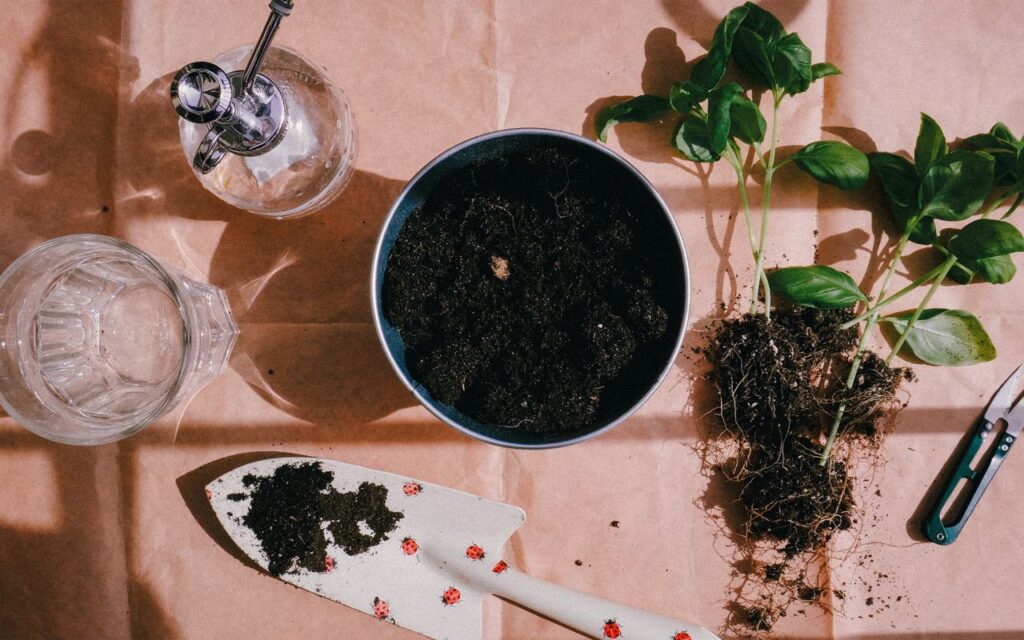
Repotting is one of those gardening jobs that can make beginners nervous. It looks like a big disruption — removing a plant from its pot, touching the roots, changing the soil, and hoping it survives the whole experience. But the truth is, repotting does not have to be stressful if it is done gently and for the right reason. In many cases, a plant actually becomes healthier after repotting because it finally has more space, fresher growing medium, and better drainage.
The first step is to make sure the plant actually needs repotting. A plant that dries out too quickly, has roots circling heavily inside the pot, or has roots pushing out through drainage holes may be ready for a new container. But if the plant still seems comfortable, healthy, and stable in its current pot, there may be no need to disturb it yet. Repotting should solve a problem, not create one.
When it is time to repot, choose a pot that is only slightly larger, not massively bigger. This is one of the most common beginner mistakes. A pot that is too large can hold too much moisture around the roots, which may lead to soggy conditions and stress. A gentle step up in size is usually much safer and easier for the plant to adjust to.
It also helps to repot when the plant is not already struggling badly. A healthy plant usually handles change better than a weak one. Before starting, prepare the new pot, fresh growing medium, and workspace so the process feels smooth and quick. The less time the roots spend exposed, the better. When removing the plant from the old pot, do it gently. Support the base, tip the pot carefully, and avoid yanking on the stem or leaves.
If the roots are circling tightly, loosen them lightly with your fingers, but do not tear them aggressively. Then place the plant into the new pot at the correct height, fill around it with fresh potting mix, and press the soil lightly so the plant feels supported without becoming overly compacted. After repotting, water gently to help the soil settle around the roots.
Once the plant is repotted, give it a little time to adjust. Do not immediately overload it with extra stress like harsh sun, heavy pruning, or constant moving around. A short settling-in period can make a big difference.
At the end of the day, repotting without stressing a plant is about being gentle, prepared, and not overdoing it. A slightly bigger pot, fresh growing medium, careful handling, and a calm recovery period can help your plant settle in much more smoothly.
If you are repotting your plants at home, we would love to see it. Tag @projectharvest.my on Instagram and share your repotting setup, your plant progress, and your gardening journey with us — your home garden might inspire another Malaysian beginner to start growing too.