
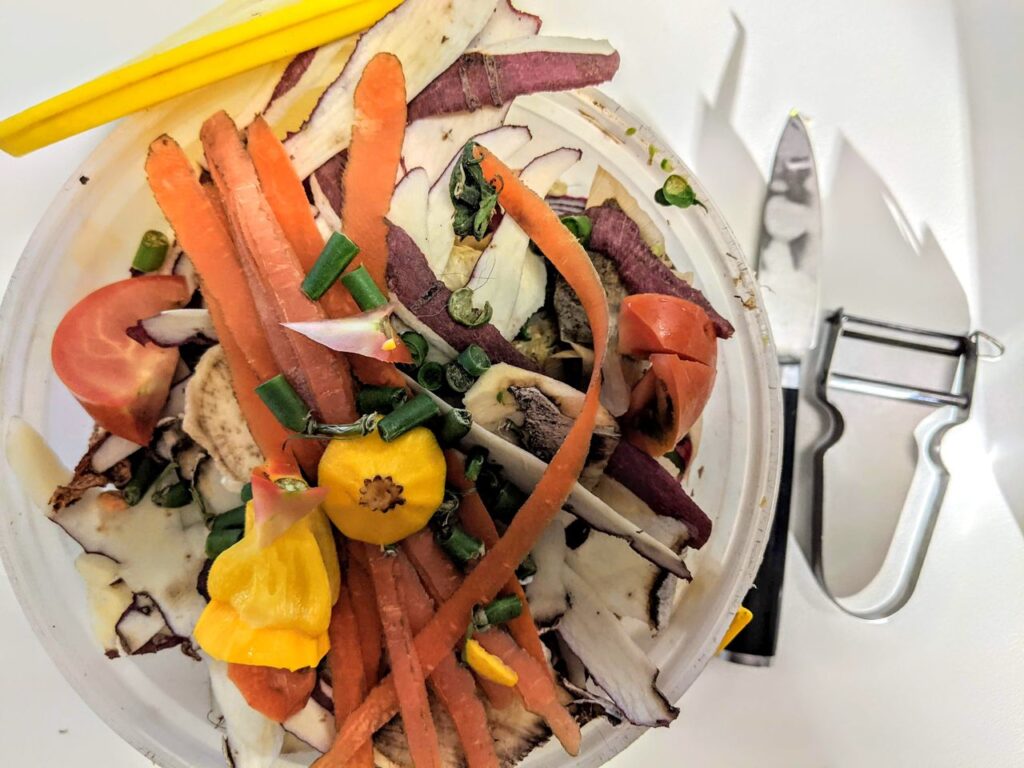
Many items that leave the kitchen do not have to go straight into the rubbish bin. Fruit peels, vegetable scraps, coffee grounds, and other everyday waste can become useful materials for the garden when handled properly. The important thing is knowing what to compost, what needs preparation, and what should never be placed directly around plants.
Fruit and vegetable scraps are among the easiest materials to reuse. Banana skins, papaya peels, carrot ends, leafy vegetable trimmings, and other uncooked plant scraps can be added to a compost bin. Chopping them into smaller pieces helps them break down faster. Instead of burying fresh scraps directly beside plant roots, mix them into a balanced compost system with dry materials such as fallen leaves or shredded cardboard.
Coffee grounds and used tea leaves can also go into compost. They contain organic matter and work best when mixed with many other materials rather than added in thick layers. Remove plastic tea bags, metal staples, or other packaging first. Too much coffee grounds in one place may become compacted, so spread them lightly through the compost.
Clean, crushed eggshells are another common kitchen waste. They break down slowly, so washing, drying, and crushing them into smaller pieces can help. Eggshells are not an instant cure for every soil problem, but they can become part of the mineral content of finished compost over time.
Plain, uncoated cardboard and paper from the kitchen can provide valuable brown material. Torn egg cartons, plain paper bags, and cardboard rolls help absorb excess moisture and balance wet food scraps. Avoid glossy paper, heavily printed packaging, plastic-coated cardboard, and anything contaminated with oil or chemicals.
Small amounts of leftover plain rice or bread may be composted in some well-managed systems, but they can attract pests and create smells. For most beginners, it is safer to focus on uncooked fruit and vegetable scraps. Avoid adding meat, fish, bones, dairy products, cooking oil, greasy food, sauces, and salty leftovers to a basic home compost bin.
It is also important to remember that kitchen waste is not automatically fertiliser. Fresh scraps can smell, attract flies, and disturb the soil if placed directly into pots. Composting allows these materials to break down into a more stable form before they are used around plants.
At the end of the day, the best kitchen waste for the garden includes fruit and vegetable scraps, coffee grounds, tea leaves, eggshells, and plain cardboard. Combine wet scraps with dry materials, keep the compost aerated, and avoid oily or animal-based leftovers.
If you are turning kitchen waste into something useful for your garden, we would love to see your setup. Tag @projectharvest.my on Instagram and share your composting routine, reused materials, and gardening journey with us — your experience might inspire another Malaysian beginner to reduce waste and start growing too.