
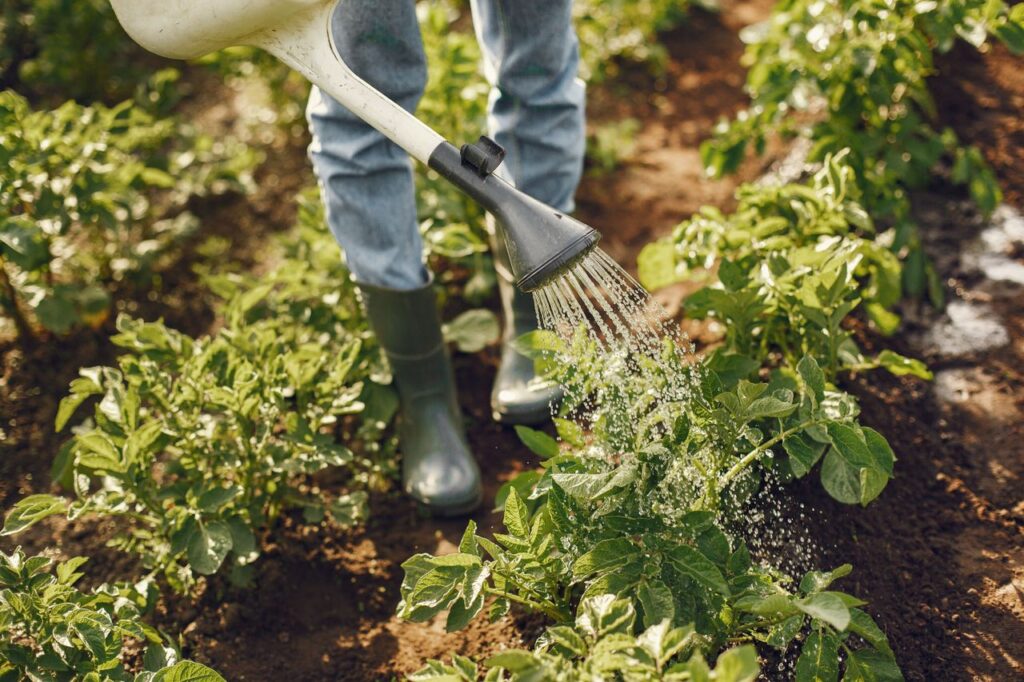
Organic gardening can be more expensive in some situations, but it does not have to be. The final cost depends on how you garden, what you buy, and whether you rely on commercial products or use materials already available at home. For beginners, the biggest mistake is assuming that organic gardening means purchasing a full collection of premium fertilisers, sprays, soil amendments, and special equipment.
Some organic products do cost more upfront. Packaged compost, organic fertiliser, neem-based sprays, pest barriers, and certified growing mixes may be more expensive than basic conventional alternatives. These products can also need repeated use, especially if the garden is large. Buying everything from the beginning can quickly make organic gardening feel costly.
However, organic gardening can also reduce expenses over time. Homemade compost turns fruit and vegetable scraps, dried leaves, coffee grounds, and plain cardboard into useful organic matter. Mulch can be created from suitable dry garden material instead of purchased in bags. Reused containers can become planters when they are safe, durable, and fitted with drainage holes.
Natural pest management can also save money when problems are caught early. Removing caterpillars by hand, washing off aphids with water, improving airflow, and growing flowering plants for beneficial insects may reduce the need for frequent sprays. These methods require observation and time, but not always extra spending.
It is also important to consider plant losses. Cheap fertiliser or strong pesticide is not truly economical if it is applied incorrectly and damages the garden. Organic gardening often encourages slower, more careful decisions: improving soil, choosing suitable plants, watering properly, and treating only confirmed problems. These habits can prevent repeated replacement costs.
The most affordable approach is to start small. Grow a few useful plants, make compost gradually, reuse suitable materials, and buy only what solves a real problem. Avoid purchasing trendy homemade-fertiliser kits or multiple natural sprays before you know whether they are needed.
At the end of the day, organic gardening is not automatically cheap or expensive. It can cost more when it depends heavily on premium packaged products, but it can become affordable when built around composting, reuse, prevention, and good garden management. The goal is not to avoid spending completely, but to spend thoughtfully.
If you are growing organically on a budget, we would love to learn what works for you. Tag @projectharvest.my on Instagram and share your money-saving ideas, homemade compost, reused materials, and gardening journey with us — your experience might help another Malaysian beginner start an organic garden without overspending.