
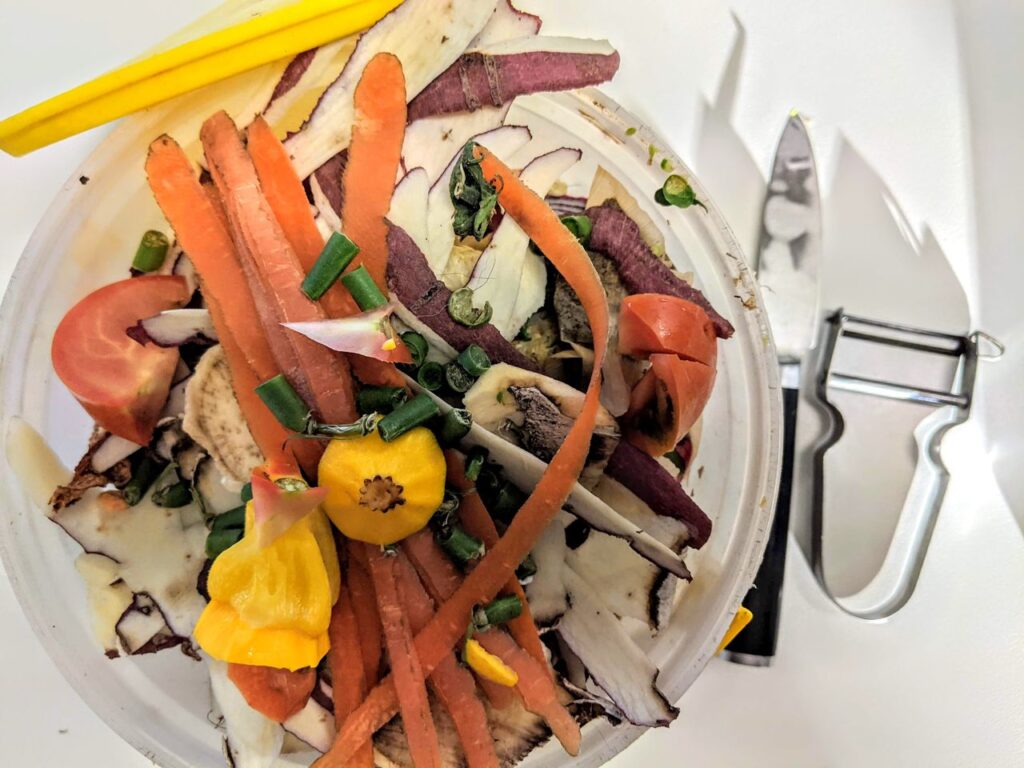
If you want to compost kitchen waste but do not have room for a large compost pile — or you would rather not maintain a container full of worms — bokashi composting is an interesting alternative.
It is compact, relatively simple, and can process a wider range of food scraps than many traditional home-composting systems. That makes it particularly attractive for Malaysian terrace houses, apartments, condominiums, and urban homes where space is limited.
However, bokashi is often misunderstood.
When you open a finished bokashi bucket, you do not have ready-to-use compost. You have fermented organic material that still needs another stage of decomposition before most plants should be grown directly in it.
Once you understand that difference, it becomes much easier to decide whether bokashi is worth trying.
What Is Bokashi Composting?
Bokashi is essentially a fermentation method for treating food waste.
Traditional composting depends largely on aerobic decomposition, meaning microorganisms break organic material down in the presence of oxygen.
Bokashi works differently.
Kitchen scraps are placed inside a mostly airtight container and layered with bokashi bran, which is usually a carrier material inoculated with microorganisms used to encourage fermentation.
The container is kept closed so that conditions remain low in oxygen.
Instead of scraps immediately breaking down into dark, crumbly compost, they ferment.
The material may still look surprisingly similar to the food you originally placed into the bucket even when the fermentation stage is complete.
That is normal.
What Do You Need to Start?
A basic bokashi setup is fairly simple.
You normally need:
- an airtight bokashi bucket,
- bokashi bran,
- kitchen scraps,
- and somewhere to bury or further compost the fermented material later.
Commercial bokashi buckets often have a tap near the bottom so liquid can be drained as the food ferments.
You can find DIY versions online, but maintaining a good seal is important. If large amounts of air constantly enter the bucket, you are no longer creating the conditions that make bokashi work effectively.
For beginners, a purpose-built bucket may be easier.
How Does the Process Work?
Start by cutting very large food scraps into smaller pieces where practical.
Place a layer of scraps into the bucket.
Sprinkle the recommended amount of bokashi bran across the food.
Press the material down firmly to remove large air pockets.
Then close the lid tightly.
Repeat this process each time you add food.
Try not to leave the container open longer than necessary. Unlike an ordinary compost pile, bokashi is deliberately designed around low-oxygen conditions.
As the bucket fills, continue compressing the material.
Once the bucket is full, seal it and leave it to ferment according to the instructions supplied with your bokashi system. Around two weeks is common, although temperature, materials, and the particular system can affect the process.
What Can Go Into a Bokashi Bin?
One advantage of bokashi is that it can accept many types of household food waste.
Fruit and vegetable scraps are obvious candidates, but many bokashi systems can also process cooked leftovers, rice, bread, small bones, meat, fish, and dairy products.
That is a major difference from many traditional backyard composting recommendations, where meat, dairy, oily food, and cooked leftovers are often avoided because they can produce odours and attract animals.
However, always follow the instructions supplied with your particular bokashi system.
Very large pieces should be reduced where practical, and pouring large quantities of liquid, oil, or soup into the bucket is generally not useful.
Bokashi works with moist food waste — it does not need to become a bucket of liquid.
What Should Healthy Bokashi Look and Smell Like?
A properly fermenting bokashi bucket does not necessarily smell like finished compost.
When opened, it may have a noticeable sour, pickled, fermented smell.
That is expected.
You may also notice white fungal growth across parts of the surface. White mould is commonly associated with successful fermentation and is usually not a cause for concern.
What you do not want is a strong rotten, putrid smell combined with extensive dark or unusual mould growth.
That can indicate that the contents have rotted rather than fermented properly, possibly because too much air entered the container or conditions were otherwise unsuitable.
Bokashi should smell fermented — not like a rubbish bin that has been sitting in the sun for a week.
Malaysia’s Climate Makes Location Important
Our warm climate can speed biological activity, but that does not mean the bucket should sit under direct Malaysian afternoon sun.
Keep it somewhere shaded and reasonably cool, such as a covered utility area, kitchen, shaded balcony, car porch, or sheltered outdoor corner.
The advantage of a properly sealed bokashi system is that it can be kept surprisingly close to the home without producing the smells associated with an open pile of rotting food.
This can make it attractive for urban gardeners with little outdoor space.
The bigger challenge comes after the bucket is finished, because you still need somewhere for the fermented material to complete decomposition.
Bokashi Material Is Not Finished Compost
This is probably the most important thing to understand.
When the fermentation stage ends, the material inside the bucket is pre-treated food waste, not mature compost.
It can still be acidic and biologically active.
Do not empty a fresh bucket around the roots of your chilli plant and assume you are giving it fertiliser.
The material needs a second stage.
One option is to bury it in garden soil.
Another is to add it to a conventional composting system, where decomposition can continue in the presence of oxygen.
Once the material has broken down sufficiently, it can become part of healthy garden soil.
How to Bury Bokashi in a Garden
If you have an empty garden bed, dig a trench or hole and place the fermented material below the surface.
Break up large clumps if necessary and mix it with some surrounding soil.
Then cover it completely with soil.
Do not plant sensitive seedlings directly into freshly buried bokashi.
Fresh decomposing organic material can create conditions that are unsuitable for young roots, so allow time for decomposition before planting into that exact area.
The required time varies with soil, temperature, moisture, and the quantity buried, but several weeks is a sensible expectation rather than treating the area as immediately ready.
For Malaysian gardeners who continually rotate vegetables through raised beds, this can be incorporated into the gap between crop cycles.
What If You Only Garden in Pots?
This is where bokashi becomes slightly less convenient.
If you live in a condominium and only have six pots on a balcony, producing a bucket full of fermented kitchen waste may leave you wondering where to put it.
Do not bury huge amounts of fresh bokashi material directly inside containers containing living plants.
Instead, you could create a separate soil factory: a large container where fermented bokashi material is mixed and covered with old potting mix or soil and allowed to decompose before that soil is reused.
Alternatively, if you already maintain a traditional compost system, add the fermented material there for further decomposition.
Before starting bokashi, think about this second stage.
Where will the contents go once the bucket is full?
That question is just as important as choosing the bucket itself.
What About the Liquid from the Tap?
Bokashi buckets can produce liquid that collects at the bottom.
You may see this marketed online as “bokashi tea.”
Be cautious with claims surrounding it.
The composition can vary greatly depending on what went into the bucket and how the system was managed. It should not be treated as a standardised fertiliser with predictable nutrient levels.
If the manufacturer of your bokashi system provides specific instructions for using the liquid, follow those directions carefully, including any required dilution.
Do not assume that stronger or more concentrated means better.
And do not apply unknown concentrated fermentation liquid directly to plant roots or edible leaves.
The main value of bokashi is the management of the solid food waste; the liquid does not need to become the reason you use the system.
Does Bokashi Attract Rats, Cockroaches, or Flies?
While the bucket is properly sealed, pest attraction should be much lower than leaving food scraps exposed.
Problems are more likely if scraps are spilled around the container, the lid does not seal properly, or fermented food is later buried too shallowly.
When moving bokashi into a garden bed, cover it thoroughly with soil.
In Malaysian homes where rats, cockroaches, ants, stray animals, or pets may investigate food smells, good hygiene and proper burial are especially important.
Bokashi vs Vermicomposting
Both methods can work well, but they suit different households.
Vermicomposting uses worms to gradually transform suitable organic waste into finished vermicompost. You have to keep the worms alive and maintain the correct moisture, food supply, airflow, and temperature.
Bokashi does not require worms. The fermentation happens inside a sealed bucket, and it can generally accept a broader variety of food waste.
However, bokashi gives you fermented material that still needs a second decomposition stage.
So neither method is automatically better.
If you mainly have fruit and vegetable scraps and enjoy maintaining a living system, vermicomposting may suit you.
If you produce mixed food waste, have limited space, and want an enclosed system, bokashi may be more convenient.
Some gardeners even use both.
Bokashi vs Traditional Composting
Traditional composting is excellent when you have garden waste such as leaves, grass, prunings, and larger amounts of organic material.
It produces finished compost directly when managed properly.
Bokashi is much more focused on food waste fermentation.
If you have a large landed property with plenty of dry leaves and garden trimmings, a conventional compost system may give you more useful bulk compost.
If you live in an urban home and your main waste stream comes from the kitchen, bokashi may fill a gap that traditional composting does not handle as conveniently.
Is Bokashi Worth Trying at Home?
For the right household, yes.
Bokashi is particularly worth considering if:
you produce regular kitchen waste,
you have limited composting space,
you want a relatively enclosed system,
you want to process food scraps that you would normally avoid putting into an ordinary compost pile,
and you have a plan for the fermented material after the bucket is finished.
It may be less suitable if you have no garden, no spare soil container, no compost pile, and nowhere to complete the second decomposition stage.
That final point is important.
Buying a bokashi bucket solves only the first half of the process.
The Best System May Combine Several Methods
Malaysian home gardeners do not need to choose one composting method and declare it the winner.
Different organic waste can go to different systems.
Vegetable scraps might go to your worms.
Mixed food waste might go into bokashi.
Dry leaves, prunings, and spent plants might go into a traditional compost pile.
Finished compost and vermicompost can then return to your vegetable beds.
Thinking this way turns composting into a small household recycling system rather than a single bin that has to handle everything.
At the end of the day, bokashi composting is worth trying if its strengths match your home. It is compact, enclosed, can handle a broad range of food scraps, and can be particularly useful for urban Malaysian households. Just remember that bokashi ferments rather than finishes your food waste. Have a plan for the second stage, keep the bucket sealed and shaded, follow the bran instructions, and give the fermented material time to decompose before growing plants directly in it. Used properly, bokashi can become another practical tool for turning household waste into healthier garden soil.
Have you tried bokashi composting in a Malaysian terrace house, apartment, or backyard? Tag @projectharvest.my on Instagram and show us your bucket setup, bokashi bran, soil factory, buried fermentation scraps, or the garden that eventually benefited from them. We’d love to see how Malaysian gardeners are adapting bokashi to different homes — and your experience might help someone else decide whether that mysterious sealed bucket is actually worth trying.