
If you produce vegetable peels, fruit scraps, coffee grounds, and other plant-based kitchen waste every week, vermicomposting gives you a way to turn some of that material into something useful for the garden — with the help of worms.
Unlike a conventional compost pile that relies heavily on microbial decomposition and heat, vermicomposting uses specialised composting worms together with microorganisms to break down organic waste into dark, fine material known as vermicompost or worm castings.
Malaysia’s warm climate means vermicomposting can work extremely well, but our heat, humidity, heavy rain, and insect activity also mean the bin needs to be managed properly.
The basic idea is simple: give the worms suitable bedding, moisture, air, food, shade, and time.
Do Not Use Just Any Earthworm
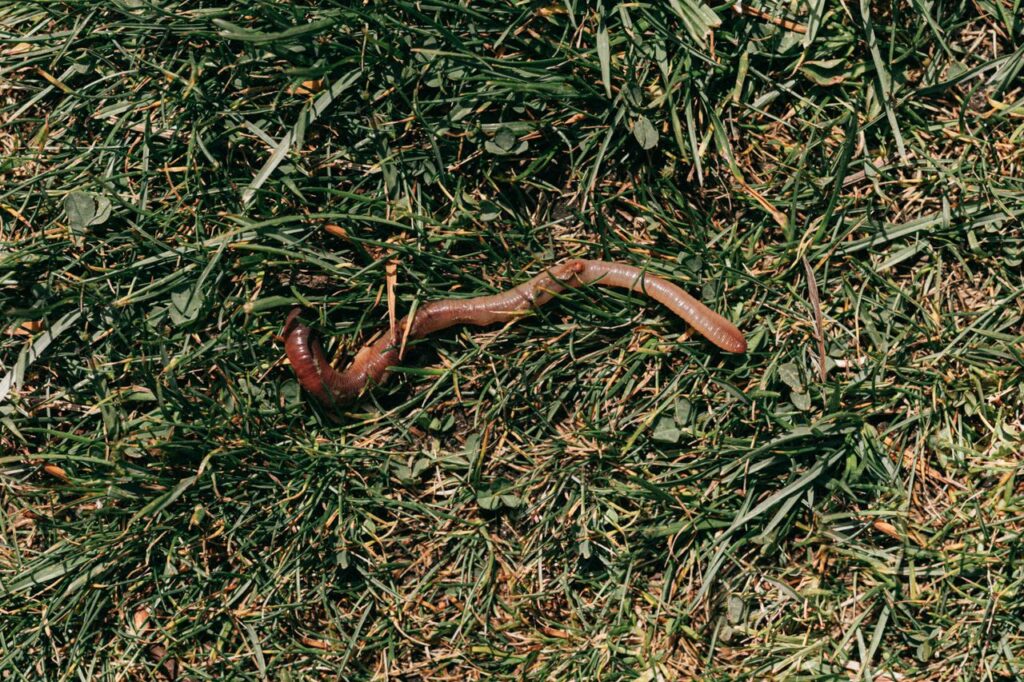
The earthworms you find when digging in your garden are not necessarily the best worms for a composting bin.
Vermicomposting normally uses worms adapted to living and feeding close to the surface in decomposing organic material.
Universiti Putra Malaysia identifies red wigglers, Indian blue worms, and African nightcrawlers as species suitable for vermicomposting, with red wigglers and Indian blues suitable for various indoor and outdoor systems and African nightcrawlers commonly used in outdoor systems.
For a Malaysian beginner, buying composting worms from a reputable local worm farmer is usually easier than trying to collect worms from the garden.
Ask what species you are buying because different composting worms can respond differently to heat and bin conditions.
Malaysia’s Heat Is One of the Biggest Things to Watch
Our tropical climate may sound perfect for worms, but a plastic worm bin sitting under direct afternoon sun can become dangerously hot.
Red wigglers perform best at roughly 13°C to 25°C, although they can tolerate a broader range. Temperatures approaching about 32°C can become dangerous for them.
That makes shade essential in Malaysia.
A good location might be a covered balcony, shaded side of a terrace house, sheltered porch, utility area, car porch corner, or other place protected from direct sun and heavy rain.
Do not seal the bin inside an extremely hot storeroom simply because it is dark.
Darkness is useful, but ventilation and temperature matter too.
Choosing a Worm Bin
You do not need an expensive commercial worm-farming system to begin.
A wide plastic storage container with a lid can work well. Composting worms generally live close to the surface, so a relatively broad, shallow container is usually more suitable than a very deep narrow bucket.
The bin needs airflow.
Small ventilation holes can be added around the upper sides or lid, while drainage holes at the bottom can prevent water from accumulating if the bin becomes too wet.
Protect openings with suitable fine mesh if ants, flies, cockroaches, or other insects become a problem.
The lid should keep the interior dark while still allowing the system to breathe.
Build the Bedding Before Adding Worms
Worms do not live in a bin full of food scraps alone.
They need bedding.
Useful bedding materials include shredded plain cardboard, shredded non-glossy paper, partially decomposed leaves, coco coir or cocopeat used carefully, and mature compost.
Moisten the bedding before adding the worms.
The easiest description of the correct moisture level is similar to a wrung-out sponge: clearly damp, but not dripping.
Worms require moisture because they breathe through their skin, but an overly wet bin loses air spaces and can become anaerobic.
This balance between moisture and oxygen is one of the most important parts of successful vermicomposting.
Let the Worms Settle In
Add the worms onto the prepared bedding and allow them to move down naturally away from the light.
You can then begin feeding modestly.
Do not fill a new worm bin with several kilograms of kitchen scraps on the first day.
A newly established worm population needs time to settle, and microorganisms also play an important role in breaking food down.
Start small.
Once you see that previous food is disappearing consistently, gradually increase the amount.
What Can You Feed the Worms?
Suitable foods include many common kitchen scraps such as:
vegetable trimmings,
fruit scraps,
coffee grounds,
tea leaves without plastic components,
soft plant material,
and small amounts of crushed eggshell.
Chopping large scraps into smaller pieces helps them break down faster.
UPM’s Malaysian vermicomposting guidance uses agricultural materials including fruit skins and vegetable waste and also describes pre-composting some feed materials before feeding them to worms.
You do not necessarily need to pre-compost every handful of kitchen waste for a small home bin, but partially decomposing tougher material can make processing easier.
What Should Stay Out?
Avoid adding meat, fish, bones, dairy products, oily food, heavily seasoned leftovers, and large quantities of cooked food.
These can produce smells and attract flies, ants, rodents, cockroaches, and other unwanted visitors.
Be conservative with strongly acidic or pungent materials such as large quantities of citrus, chilli, onion, and similar scraps.
UPM’s home vermicomposting method specifically advises avoiding materials such as chilli, lemongrass, and onion in its pre-fermented feed mixture.
A few questionable scraps are rarely worth destabilising an otherwise healthy worm bin.
Bury the Food
One of the simplest ways to reduce flies is to bury fresh scraps beneath the bedding.
Create a small pocket, add the food, cover it completely, and use a different area of the bin the next time you feed.
A layer of moist shredded cardboard or paper across the top can also make the bin less attractive to fruit flies.
If flies suddenly appear in large numbers, you are often adding food faster than the worms and microorganisms can process it.
Stop feeding temporarily, cover exposed scraps, and allow the bin to catch up.
Learn to Read the Moisture Level
Malaysia’s humidity can make moisture management confusing.
Food scraps themselves contain plenty of water, so you may discover that you rarely need to pour additional water into an established bin.
If the bedding becomes dry and papery, lightly mist it.
If it is soggy, smells unpleasant, and releases water when squeezed, add dry shredded cardboard and improve airflow.
A healthy worm bin should not resemble a bucket of muddy food waste.
It should remain moist and aerated.
A Bad Smell Means Something Is Wrong
Properly managed vermicomposting should have a mild earthy smell.
A strong rotten or sour smell usually indicates that food is decomposing faster than the system can handle, the bin is too wet, or there is not enough oxygen.
The fix is usually straightforward:
stop feeding,
remove obviously rotten excess food if necessary,
add dry bedding,
gently increase airflow,
and give the bin time to recover.
Do not solve every worm-bin problem by adding more products.
Often the worms simply need better conditions.
What If the Worms Try to Escape?
A few worms exploring the sides of a moist bin is not automatically a disaster.
But if large numbers are repeatedly crawling out, investigate.
Possible causes include excessive heat, waterlogging, extreme dryness, unsuitable acidity, lack of oxygen, or a major change in the bedding.
In Malaysia, check temperature first, especially after a hot afternoon.
Moving the bin into a cooler shaded location can sometimes solve the problem faster than anything you add to the bedding.
Ants Usually Mean the Bin Is Too Dry
Ants are common around Malaysian homes, so sooner or later they may investigate your worm bin.
A large ant presence can be a sign that conditions are becoming relatively dry.
Restore suitable moisture and keep the surroundings free from spilled food.
Physical barriers around the bin stand may also help.
Avoid spraying insecticide into or immediately around an active worm bin because the worms and other beneficial organisms are part of the system you are trying to protect.
Do You Need to Add Soil?
Not much.
A worm bin is not supposed to be a container full of ordinary garden soil.
Composting worms need organic bedding and decomposing food.
A small amount of mature compost or soil can provide microorganisms and grit, but filling the bin with dense clay garden soil reduces the valuable air spaces the worms need.
Think compost environment, not plant pot.
When Is the Vermicompost Ready?
Finished vermicompost becomes dark, fine, crumbly, and earthy-smelling, with much of the original bedding and food no longer recognisable.
How quickly this happens depends on the number and species of worms, bin size, food supply, temperature, and management.
Local Malaysian work has demonstrated successful vermicompost production using species including African nightcrawlers, while UPM also describes small household-scale systems specifically intended to convert organic waste into usable plant material.
Rather than worrying about an exact number of days, look at the material itself.
If most of it resembles dark compost instead of yesterday’s kitchen scraps, you are getting close.
An Easy Way to Harvest the Castings
You do not have to pick every worm out individually.
One simple method is to stop feeding one side of the bin and begin placing fresh food only on the opposite side.
Over time, many worms migrate toward the new food.
You can then remove finished vermicompost gradually from the older side and return any worms you find to the active section.
Another option is to empty small amounts onto a tray under indirect light. Worms naturally move away from light, allowing you to remove the upper layers gradually.
It takes patience, but you soon develop your preferred method.
Do Not Confuse Leachate with “Worm Tea”
Many worm bins have a tap or drainage tray at the bottom, and the liquid collected there is often sold or described online as worm tea.
Technically, it is usually leachate — liquid that has passed through decomposing material.
That is not the same thing as a deliberately prepared vermicompost extract or compost tea.
Because leachate passes through partially decomposed food, it can contain undesirable microorganisms, anaerobic by-products, or high concentrations of soluble salts. NC State Extension specifically distinguishes worm-bin leachate from properly prepared vermicompost tea and warns that leachate may contain substances unsuitable for plants or people.
For an edible home garden, do not assume that every dark liquid dripping from a worm bin is a magical fertiliser.
More importantly, a large quantity of liquid constantly draining from the bin is often telling you the system is too wet.
What Should You Do with the Finished Vermicompost?
Once harvested, vermicompost can be mixed into potting media, added to raised beds, placed around established plants as a top dressing, or combined with ordinary compost.
You normally do not need to fill an entire pot with pure vermicompost.
Use it as a high-quality soil amendment within a balanced growing mix.
MARDI research in Malaysia has demonstrated that vermicompost can function as an organic soil amendment and nutrient source for plant production.
For the detailed application methods, refer to our guide How to Use Vermicompost in Pots and Garden Beds.
Is Vermicomposting Worth Doing in Malaysia?
For many households, yes — especially if you garden regularly and produce a steady supply of fruit and vegetable scraps.
It offers several benefits at once.
You reduce some household organic waste.
You produce a useful garden amendment.
You recycle nutrients back into your plants.
And unlike a large traditional compost pile, a worm bin can operate in a relatively small space.
The key is not to treat it like a rubbish bin.
A worm bin is a small living ecosystem.
Feed only what the system can process, provide enough bedding, keep it moist but aerated, and protect it from Malaysia’s strongest sun and rain.
Once those basics become routine, vermicomposting is surprisingly low maintenance.
At the end of the day, successful vermicomposting in Malaysia comes down to balance. Start with the right composting worms, give them moist bedding and ventilation, keep the bin cool and shaded, feed kitchen scraps gradually, and pay attention to what the worms are telling you. A healthy bin should smell earthy, process food steadily, and eventually leave you with dark vermicompost that can return to your pots and garden beds. You do not need a large farm or expensive equipment — even a small shaded corner of a Malaysian home can become a productive little recycling system.
Already keeping worms at home, or thinking about building your first vermicomposting bin? Tag @projectharvest.my on Instagram and show us your worm setup, bedding, kitchen-waste routine, first harvest of castings, or even the mistakes you learned from along the way. Seeing how different Malaysian gardeners manage worms in our tropical climate could help someone else turn their first bucket of kitchen scraps into their first bucket of living soil.