
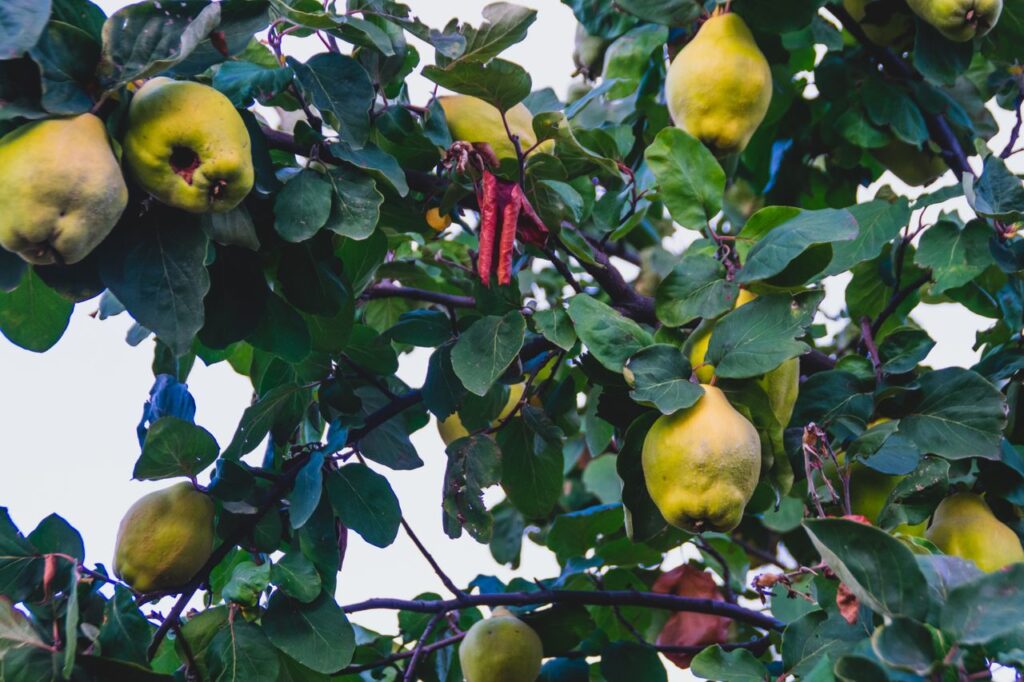
Damaged fruit should usually be removed when it is rotting, badly pest-infested, severely cracked, diseased, or clearly no longer developing properly.
But not every imperfect fruit needs to come off.
A curved cucumber, scarred chilli, oddly shaped tomato, or slightly blemished brinjal may still continue developing normally and remain perfectly usable.
The key is to distinguish between:
cosmetic damage
and
damage that is likely to worsen, attract pests, spread disease, or waste the plant’s resources.
Removing the right fruit at the right time can help keep the plant and surrounding garden healthier.
Do Not Remove Fruit Just Because It Looks Ugly
Home-grown produce does not need to look supermarket-perfect.
A tomato may be irregular.
A chilli may be curved.
A cucumber may grow slightly bent.
A brinjal may have superficial scars.
If the fruit is otherwise:
firm,
growing,
free from rot,
and not badly pest-infested,
there may be no reason to remove it.
Cosmetic damage alone does not automatically affect flavour, safety, or usefulness.
Remove Fruit That Is Rotting
Rot is one of the clearest reasons to remove fruit.
Watch for:
soft watery patches,
mould,
sunken lesions,
bad smells,
rapid discoloration,
or tissue breaking down.
Rotting fruit can become a source of microorganisms and may attract insects.
In Malaysia’s warm, humid climate, damaged fruit can deteriorate quickly.
Removing it early is usually better than leaving it attached until it collapses.
Remove Severely Pest-Infested Fruit
If a fruit has been badly attacked by insects, removing it can help reduce further damage.
Examples include fruit with:
fruit fly larvae,
deep caterpillar feeding,
large entry holes,
extensive boring damage,
or heavy internal infestation.
Once pests are established inside a fruit, saving that fruit may no longer be realistic.
Removing it can also reduce the chance of pests completing their life cycle in the garden.
Fruit Fly Damage Needs Fast Action
Fruit flies can be especially troublesome in tropical home gardens.
A damaged fruit may show:
small puncture marks,
soft spots,
premature yellowing,
or internal breakdown.
If larvae are already developing inside, leaving the fruit on the plant or dropping it onto the soil can allow the pest cycle to continue.
Remove suspicious fruit promptly and dispose of it in a way that prevents adult flies from emerging.
Do not simply throw infested fruit under the plant.
Remove Fruit That Has Split Badly
Small superficial cracks may heal.
Deep cracks are different.
A severely split tomato or other fruit can allow:
rainwater,
fungi,
bacteria,
and insects
to enter the tissue.
In Malaysia’s humid conditions, a deep split can deteriorate quickly.
If the fruit is close to maturity, harvesting it early may be better than leaving it on the plant.
If it is badly damaged and beginning to rot, remove and discard it.
Remove Fruit Showing Serious Disease Symptoms
Some fruit diseases produce obvious lesions, rot, mould, or unusual discoloration.
If one fruit is clearly diseased, removing it can help reduce the amount of infected material remaining on the plant.
However, fruit removal alone may not solve the problem.
Also inspect:
leaves,
stems,
flowers,
and nearby fruits.
If disease is spreading across the plant, you need to investigate the underlying cause rather than simply removing individual fruit.
Remove Fruit That Has Completely Stopped Developing
Sometimes a young fruit sets but then stops growing.
It may:
remain tiny,
turn yellow,
shrivel,
or dry up.
This often happens after failed pollination or severe stress.
Once a fruit has clearly aborted, leaving it attached provides no benefit.
Remove it if it does not fall naturally.
This keeps the plant tidy and makes inspection easier.
Cucumbers and Gourds Often Abort Young Fruit Naturally
On cucumbers, pumpkins, and gourds, a female flower may initially appear to have a tiny fruit behind it.
If pollination fails, that young ovary may:
stop growing,
yellow,
shrivel,
and fall.
This is normal fruit abortion.
You do not need to remove it immediately if it is already drying and about to drop naturally.
But if it remains attached and starts rotting, remove it.
Remove Fruit That Is Physically Damaging the Plant
A fruit may be healthy but positioned badly.
It might be:
wedged between branches,
pressing against a sharp edge,
pulling a weak branch downward,
or creating a serious risk of stem breakage.
First try to support or reposition it.
If the fruit is still causing dangerous strain and the branch cannot safely carry it, removing the fruit may be the better option.
Protecting the plant can be more valuable than saving one fruit.
Support Should Usually Come Before Removal
A heavy fruit does not automatically need to be sacrificed.
Use:
stakes,
slings,
soft ties,
or branch supports
where appropriate.
If support solves the problem, leave the fruit.
Remove it only when the structural risk remains too high or the branch is already badly damaged.
Should You Remove Sunburned Fruit?
Fruit exposed suddenly to intense sun may develop pale, bleached, or damaged patches.
This is often called sunscald.
If the damage is mild and dry, the fruit may continue developing.
If the damaged area becomes soft, rotten, or badly compromised, removal may be appropriate.
Avoid aggressively removing healthy leaves around fruit, as this can increase sun exposure.
Minor Insect Scarring Does Not Always Matter
Some fruits develop superficial scars from early insect feeding.
If the scar is dry and the fruit continues growing normally, it may still be perfectly usable.
Do not remove every scarred fruit automatically.
Instead, ask whether the damage is:
stable,
superficial,
and cosmetic,
or whether it is actively worsening.
That distinction prevents unnecessary waste.
Remove Overripe Fruit Promptly
Fruit left well beyond harvest maturity can become more vulnerable to pests and rot.
This is particularly important for crops such as:
tomatoes,
chillies,
brinjal,
and other soft fruits.
Harvest ripe produce promptly.
An overripe fruit left hanging can become an unnecessary attraction for insects.
Damaged Fruit Can Attract More Pests
Cracked or rotting fruit can release smells and sugars that attract:
flies,
ants,
beetles,
and other insects.
This is another reason sanitation matters.
One neglected fruit can become a small feeding site in the middle of an otherwise healthy crop.
Regular harvesting and removal of badly damaged produce helps keep pest pressure lower.
Do Not Rip Fruit Off Carelessly
When fruit needs to be removed, do it cleanly.
Pulling or twisting aggressively can:
tear branches,
damage flowers,
strip bark,
or break nearby fruit stems.
Use clean scissors or pruning shears where appropriate.
Support the fruit with one hand while cutting the stalk with the other.
This is especially useful for:
brinjal,
pumpkins,
large tomatoes,
and gourds.
Cut the Fruit Stem, Not the Branch
Look carefully before cutting.
Remove only the fruit stem where possible.
Do not accidentally cut the main branch supporting other flowers or fruits.
On tightly packed plants, take your time.
A rushed cut can cost more than the damaged fruit itself.
Use Clean Tools
Dirty tools can move pathogens between plants.
Keep pruning scissors and shears reasonably clean.
If you have just removed obviously diseased fruit or plant tissue, clean the tool before using it on a healthy plant.
The exact disinfecting method depends on the tool and situation, but good sanitation is especially useful when disease is suspected.
Handle Diseased Fruit Separately
Do not carry a mouldy or rotting fruit through the garden while brushing it against healthy plants.
Place it directly into a suitable container or bag for disposal.
This reduces contact with healthy foliage and fruit.
If the fruit is heavily diseased or pest-infested, do not automatically add it to a normal home compost pile.
Can Damaged Fruit Go into Compost?
Healthy fruit removed because it is:
too small,
overripe,
or physically damaged
may often be compostable.
Fruit containing serious disease or active pest larvae needs more caution.
A typical home compost pile may not reach the temperatures or conditions needed to reliably destroy every pathogen or insect stage.
When in doubt, dispose of heavily infested or diseased material separately according to local waste practices.
Do Not Leave Removed Fruit on the Soil
This is a common mistake.
A gardener removes damaged fruit and drops it beside the plant.
That does not really remove the problem.
Fallen fruit can:
rot,
attract pests,
support fruit fly development,
or harbour disease.
Take it out of the growing area.
Check Nearby Fruits After Removing One
A damaged fruit may not be an isolated case.
After removal, inspect nearby fruits for similar symptoms.
If several fruits show the same issue, there may be an underlying problem involving:
pests,
disease,
watering,
pollination,
or environmental stress.
Removing fruit is useful, but diagnosing the pattern matters more.
Check the Leaves and Stems Too
If one fruit is rotting, inspect the rest of the plant.
Look for:
leaf spots,
wilting,
stem lesions,
pest activity,
or abnormal growth.
Fruit symptoms can sometimes be only one part of a wider plant problem.
Should You Remove Misshapen Fruit?
Usually not just because of shape.
A misshapen fruit may still be:
healthy,
productive,
and edible.
Remove it only if:
the deformation is severe enough to trap moisture,
it is physically damaged,
it is heavily pest-affected,
or it is causing structural problems.
Shape alone is not a reason to waste a harvest.
Should You Remove Fruit with Blossom-End Rot?
Blossom-end rot affects tomatoes, chillies, brinjal, and some other fruits.
If the affected area is small, some gardeners allow the fruit to continue developing.
If the damage becomes severe, secondary rot develops, or the fruit is clearly unusable, removing it is sensible.
More importantly, review the underlying cause.
Blossom-end rot is strongly linked to disrupted calcium delivery in developing fruit, often related to inconsistent moisture and root-zone conditions rather than simply a lack of calcium fertiliser.
Removing the fruit alone will not prevent the next one from developing the same problem.
Remove Bad Fruit Early When the Problem Is Obvious
If a fruit is clearly beyond saving, there is little advantage in leaving it attached for weeks.
Early removal allows you to:
clean the plant,
monitor new fruit,
reduce pest attraction,
and potentially reduce wasted plant resources.
This does not mean constantly thinning healthy fruits.
It means acting once damage becomes clearly irreversible.
But Do Not Over-Prune the Crop
Removing damaged fruit is not the same as removing every imperfect fruit.
A plant with three slightly scarred chillies does not need to be stripped.
Be selective.
Home-grown crops naturally produce some variation.
The goal is healthy usable harvests, not visual perfection.
Keep Records if Damage Repeats
If you regularly remove damaged fruit, record what is happening.
For example:
Week 1: two cucumbers aborted after flowering.
Week 2: three fruits damaged by fruit flies.
Week 3: bagged remaining fruit.
This can reveal whether the main problem is:
pollination,
pests,
weather,
or something else.
If the same type of damage keeps returning, change the growing strategy rather than repeatedly removing fruit without addressing the cause.
A Simple Decision Guide
Leave the fruit if it is:
slightly misshapen,
superficially scarred,
still firm,
continuing to grow,
and otherwise healthy.
Consider removing it if it is:
rotting,
badly pest-infested,
severely cracked,
clearly diseased,
completely aborted,
structurally dangerous,
or beyond a useful harvest stage.
That simple distinction prevents both unnecessary waste and unnecessary pest problems.
A Simple Removal Routine
When a fruit needs to come off:
1. Inspect it carefully.
2. Check nearby fruits and leaves.
3. Support the fruit with one hand.
4. Cut the fruit stalk cleanly using clean tools where appropriate.
5. Avoid damaging nearby branches or flowers.
6. Remove the fruit completely from the growing area.
7. Dispose of diseased or pest-infested fruit responsibly.
8. Clean tools after handling serious disease where appropriate.
9. Record recurring problems.
10. Correct the underlying cause if one exists.
The removal itself should be simple. The diagnosis is the more important part.
At the end of the day, damaged fruit should be removed when keeping it offers little benefit and increases the risk of rot, pests, disease, or branch damage. But do not confuse a cosmetically imperfect harvest with a failed one. Curved cucumbers, scarred chillies, and irregular tomatoes can still be perfectly usable. In Malaysian home gardens, where humidity, heavy rain, and tropical pests can make damaged fruit deteriorate quickly, regular inspection and timely removal help keep the rest of the crop healthier while reducing unnecessary waste.
Found a damaged tomato, brinjal, chilli, cucumber, guava, or other fruit and are unsure whether it should stay or go? Tag @projectharvest.my on Instagram and share a clear photo of the fruit together with the whole plant. Tell us whether the damage came after rain, pests, cracking, or another problem — those real garden examples can help Malaysian home gardeners learn the difference between a harmless blemish and a fruit that is better removed early.