
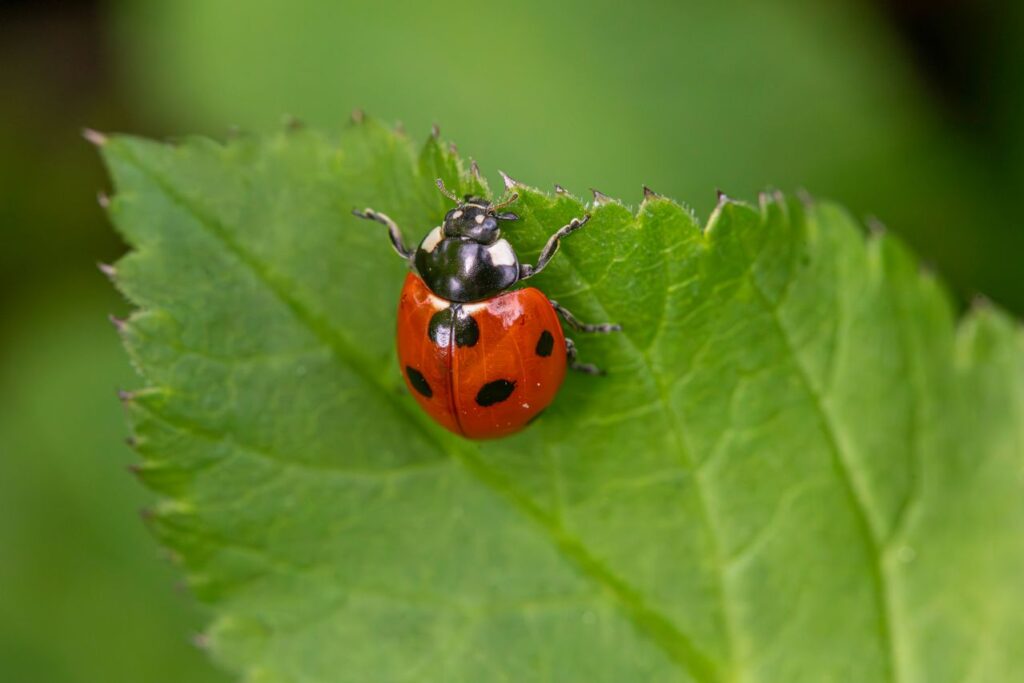
Not every insect in the garden is a pest. Many insects help pollinate flowers, control unwanted pests, and support a healthier natural ecosystem. Bees, butterflies, ladybirds, hoverflies, lacewings, and certain wasps can all play useful roles. Encouraging these beneficial insects means creating a garden that offers food, water, shelter, and a safer environment.
The first step is to grow a variety of flowering plants. Different insects prefer different flower shapes, colours, and bloom times, so diversity matters. Herbs such as basil, mint, coriander, and dill can attract beneficial insects when allowed to flower. Butterfly pea, marigold, zinnia, sunflower, and other suitable flowering plants can also provide nectar and pollen. Try to keep something blooming in the garden throughout the year.
Avoid spraying every insect you see. Broad insect sprays can kill helpful insects together with harmful ones. Before treating a plant, inspect the insect carefully and look at the actual damage. A small number of pests may be manageable, especially when predators such as ladybirds, spiders, and hoverfly larvae are already present. Use targeted treatments only when necessary, and avoid spraying open flowers where pollinators are feeding.
Beneficial insects also need water. A shallow dish filled with clean water and a few stones can provide a safe drinking area for bees and butterflies. The stones give insects somewhere to land without falling into deep water. Replace the water regularly, especially in Malaysia, so mosquitoes do not have time to breed.
Shelter is another important part of a welcoming garden. Hollow stems, small bundles of twigs, dry leaves, and dense plants can provide hiding and nesting spaces. You do not need to let the entire garden become messy, but leaving one controlled corner slightly more natural can help. A simple insect hotel may also provide shelter, although it should be kept dry, clean, and protected from heavy rain.
Reduce unnecessary tidying. Removing every flower immediately, clearing all dry stems, and cutting back every plant at once can remove useful insect habitat. Allow a few herbs to flower and leave some safe shelter between plants while still removing diseased material and rotting fruit.
At the end of the day, good insects arrive when the garden offers what they need. Grow different flowers, provide clean water, reduce chemical use, and create small areas of shelter. A balanced garden will not be completely insect-free, but it can become more resilient and less dependent on constant pest control.
If you are welcoming beneficial insects into your home garden, we would love to see who visits. Tag @projectharvest.my on Instagram and share your flowers, pollinators, natural pest controllers, and gardening journey with us — your experience might inspire another Malaysian beginner to build a more balanced garden too.