
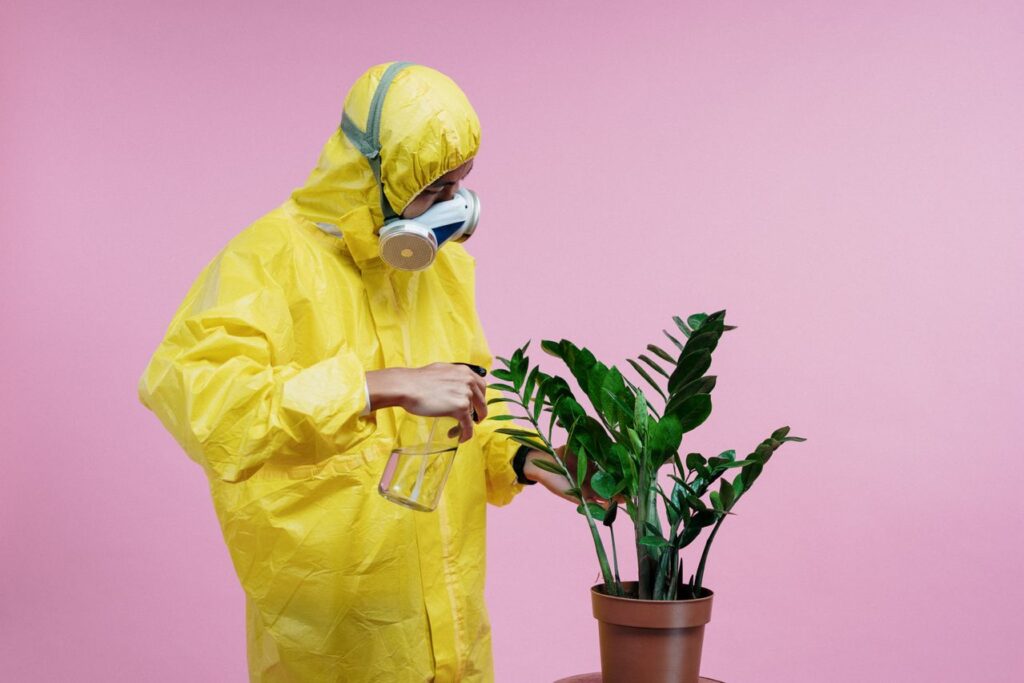
Reducing chemical use in a home garden does not mean ignoring pests, diseases, or nutrient problems. It means becoming more selective about when products are used and building healthier growing conditions so plants need less intervention. A garden with suitable light, good drainage, healthy soil, proper spacing, and regular observation is often better able to handle small problems naturally.
Start by improving the basics. Plants grown in the wrong amount of light, overcrowded spaces, or permanently wet soil are more likely to become weak and attract pests. Give each plant enough room, water according to the soil rather than a fixed schedule, and remove trapped water from pots and saucers. Healthy plants are usually more resilient than stressed ones.
Add finished compost and suitable organic matter to support the soil. Compost can improve soil structure and moisture management while gradually returning nutrients to the garden. A light layer of mulch can also protect the soil, reduce weeds, and slow moisture loss. Keep mulch away from stems and avoid placing fresh kitchen scraps directly around plant roots.
Inspect plants regularly so problems are caught early. Look beneath leaves, around new shoots, and near stems. A few aphids may be removed by hand or washed away with water before they become a serious infestation. Damaged leaves can sometimes be trimmed, and caterpillars may be picked off when the garden is small. These simple actions can reduce the need for stronger treatments.
Encourage helpful insects by growing a variety of flowering plants and avoiding unnecessary spraying. Bees and butterflies help with pollination, while ladybirds, spiders, hoverflies, and other predators may help control unwanted pests. Broad sprays can harm useful insects along with the pests you are trying to remove.
When a treatment is genuinely needed, choose the most targeted option available. Identify the pest or problem first, follow the product label, test sprays on a small section of the plant, and avoid treating unaffected areas. Natural or organic products should still be used carefully because they can damage plants or beneficial insects when overused.
Avoid applying fertiliser automatically whenever leaves turn yellow or growth slows. Overwatering, poor drainage, damaged roots, heat, and pests can create similar symptoms. Understanding the cause prevents unnecessary feeding and chemical use.
At the end of the day, reducing chemicals is about prevention, observation, and balance. Build healthy soil, grow suitable plants, manage pests early, protect beneficial insects, and use treatments only when there is a clear reason.
If you are reducing chemical use in your home garden, we would love to learn from your experience. Tag @projectharvest.my on Instagram and share your natural growing methods, plant progress, and gardening journey with us — your efforts might inspire another Malaysian beginner to create a healthier garden too.