
A healthy compost pile should not smell like a rubbish bin, remain permanently soggy, or release a cloud of flies every time you open the lid. If yours does, you probably do not need to throw everything away and start again.
Most compost problems come from an imbalance between moisture, oxygen, carbon-rich “brown” materials, and nitrogen-rich “green” materials.
In Malaysia, the challenge can be even greater because kitchen waste is naturally wet, humidity is high, and a single tropical downpour can soak an uncovered compost pile surprisingly quickly.
Fortunately, most troublesome compost can be rescued.
Why Does Compost Start Smelling Bad?
A well-managed compost pile usually has an earthy, forest-floor smell.
Strong rotten, sour, sewage-like, or ammonia smells suggest that something is out of balance.
One of the most common causes is too much moisture combined with too little oxygen.
Healthy composting relies heavily on aerobic microorganisms, meaning organisms that need oxygen. When water fills the spaces between materials, airflow decreases and anaerobic decomposition can take over.
That is when unpleasant odours often appear.
Too much nitrogen-rich material can create similar problems. A large amount of grass clippings, vegetable scraps, or other wet greens can collapse into a dense mass.
The solution is usually not perfume, chemicals, or disinfectant.
Your compost needs better structure.
Add More Dry “Brown” Material
If the pile is wet, slimy, or smelly, one of the quickest fixes is adding dry carbon-rich material.
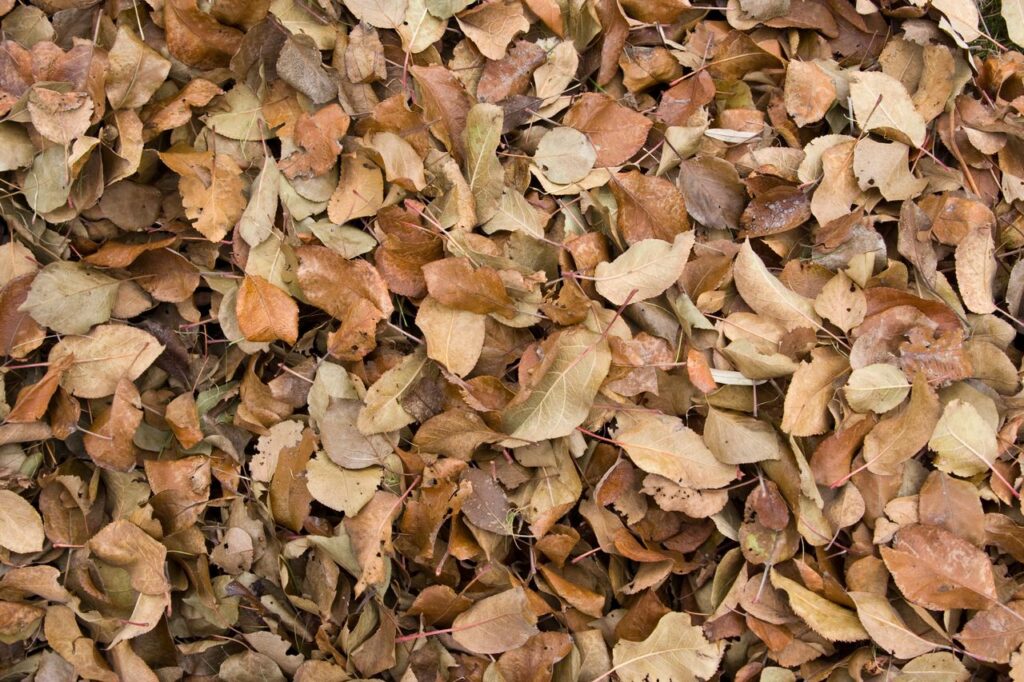
Useful options include shredded plain cardboard, dry leaves, torn uncoated paper, small dry twigs, or other suitable dry garden material.
Mix the browns throughout the wet compost instead of dropping one thick layer on top.
The dry material helps absorb excess moisture while creating spaces through which air can move.
There is no need to obsess over a perfectly calculated carbon-to-nitrogen ratio in a home garden. Use the pile itself as your guide.
If it is soggy and smelly, add more browns.
If it is bone-dry and barely decomposing, adding even more cardboard is unlikely to help.
Turn the Compost to Restore Airflow
After adding dry material, gently turn or mix the pile.
This redistributes moisture and introduces oxygen into areas that may have become compacted.
Pay particular attention to dense clumps of grass or kitchen waste.
Break them apart rather than leaving them as wet lumps.
If you use a compost bin, make sure ventilation holes have not become blocked.
You do not necessarily need to turn a cold compost pile constantly, but when it smells rotten or remains saturated, aeration can make a major difference.
Protect the Pile from Malaysian Rain
A compost pile needs moisture, but it does not need to receive every thunderstorm directly.
During prolonged wet periods, an uncovered pile can become saturated faster than evaporation and decomposition can remove the water.
A lid, simple roof, waterproof cover, or sheltered location can help.
However, do not wrap the entire pile tightly in plastic with no ventilation.
The aim is to keep excessive rain out while allowing air in.
For Malaysian gardens, a shaded position protected from direct heavy rainfall is often easier to manage than a completely exposed corner of the yard.
What Moisture Level Should Compost Have?
A useful comparison is a wrung-out sponge.
Grab a handful of composting material from inside the pile.
It should feel damp throughout, but water should not pour from it when squeezed.
If it feels dusty and dry, add moisture gradually.
If it drips heavily or feels like sludge, add dry browns and increase airflow.
Remember to check deeper inside the pile rather than judging only the surface.
The top can look dry while the centre remains soaking wet.
Why Are There Flies Around Your Compost?
A few small insects around compost are normal. Compost is a living decomposition system, not a sterile container.
But large numbers of fruit flies or houseflies usually indicate that suitable food material is exposed or being added faster than it can break down.
Fresh fruit scraps are particularly attractive to fruit flies.
Instead of leaving kitchen scraps sitting on the surface, bury them beneath existing compost or cover them immediately with a layer of dry brown material.
A layer of shredded cardboard or dry leaves can act as a simple barrier between fresh food and adult flies.
Stop Feeding an Overloaded Pile
If your compost bin is full of recognisable kitchen scraps and swarming with flies, adding tomorrow’s scraps will probably make the problem worse.
Stop feeding it temporarily.
Let the existing material begin decomposing.
Mix in dry browns, cover exposed food, improve airflow, and give the pile time to catch up.
Once the amount of obvious fresh food has reduced, resume adding material in smaller quantities.
Compost is not exactly the same as a household rubbish bin.
The system has a processing capacity.
Cut Kitchen Scraps Smaller
Large pieces of fruit and vegetables remain recognisable longer and may attract flies while they slowly decompose.
Cutting or tearing large scraps into smaller pieces increases the surface area available to microorganisms.
You do not need to finely blend kitchen waste.
Simply chopping a large watermelon rind, pineapple peel, or thick vegetable stem into smaller pieces can help.
Then bury or cover the pieces rather than leaving them exposed.
Be Selective About What Goes Into the Bin
An ordinary home compost pile is much easier to manage when it receives mostly plant-based kitchen scraps and garden material.
Meat, fish, dairy products, oily leftovers, sauces, and large quantities of cooked food can create strong smells and attract flies, rodents, cockroaches, stray animals, or pets.
For households that want to process a broader range of cooked food waste, bokashi fermentation may be more suitable.
Choosing the right composting method for the type of waste you produce can prevent many problems before they start.
What If the Compost Smells Like Ammonia?
An ammonia-like smell often suggests that the pile contains a large amount of nitrogen-rich material relative to carbon.
Fresh grass clippings are a common culprit.
Instead of adding more greens, mix in plenty of shredded dry leaves, cardboard, or another carbon-rich material.
This gives microorganisms carbon to work with while helping create a looser structure.
The smell should gradually reduce as the pile returns to balance.
Should You Add Lime to Stop the Smell?
Usually, no.
Lime is sometimes recommended online as a way to “sweeten” compost, but routinely adding it is unnecessary and can alter the chemistry of the pile.
A smelly compost pile is much more likely to need air, dry carbon, or less water than a pH correction.
Fix the physical problem first.
Similarly, spraying pesticides or disinfectants into compost to kill flies is not a sensible solution. These products may interfere with the organisms responsible for decomposition and do nothing to fix why the flies appeared.
What About Maggots or Larvae?
Finding larvae in compost does not automatically mean the compost has failed.
Some insects naturally participate in decomposition.
However, large numbers associated with exposed food and bad smells can indicate that the bin is being managed more like an open food-waste container than a balanced compost system.
Cover kitchen waste, reduce feeding, add browns, and improve airflow.
If you are unsure what insect you are dealing with, avoid immediately spraying chemicals into the pile.
Clean Around the Compost Bin Too
Sometimes you repair the compost but flies continue appearing because food residue remains around the outside.
Clean spills from the lid, handles, floor, and surrounding area.
Make sure scraps have not fallen behind or underneath the bin.
This is particularly important in warm Malaysian weather, where small amounts of food waste can attract insects quickly.
If you keep the bin near your kitchen, car porch, or side yard, basic cleanliness makes the system far easier to live with.
A Simple Rescue Formula
If your compost is wet and smelly:
add dry browns, turn it, and protect it from rain.
If it is wet but does not smell much:
add dry material and improve drainage or ventilation before it becomes anaerobic.
If it is full of flies:
bury food scraps, cover them with browns, stop feeding temporarily, and clean the area.
If it is smelly and full of flies:
you probably have too much exposed, wet, nitrogen-rich food waste. Add carbon, aerate thoroughly, cover the food, and allow the pile to recover.
Do not try five different remedies at once.
Correct the basic conditions first.
Prevention Is Easier Than Rescue
Once your compost is healthy again, a few habits can prevent the same problems.
Keep a bag or container of dry leaves or shredded cardboard beside the compost bin.
Every time you add a significant amount of wet kitchen scraps, add some browns too.
Cover fresh food.
Protect the pile from excessive rainfall.
Check the moisture occasionally.
And avoid filling the bin faster than decomposition can happen.
These small habits are much easier than rescuing a soggy, smelly pile every few months.
At the end of the day, a compost pile that smells bad, stays wet, or attracts too many flies is usually giving you useful information. It is telling you that the balance between food, carbon, moisture, and oxygen needs attention. Add dry brown material, restore airflow, keep fresh scraps covered, protect the pile from Malaysia’s heavy rain, and slow down the feeding if necessary. Give the system the conditions it needs, and what currently smells like a problem can return to quietly becoming useful compost.
Has your compost ever gone from earthy to absolutely unbearable after a few rainy days? Tag @projectharvest.my on Instagram and share your compost problem, rescue attempt, dry-leaf setup, cardboard trick, or before-and-after results with us. Your messy compost recovery could be exactly what another Malaysian gardener needs to see before giving up on their own pile.