
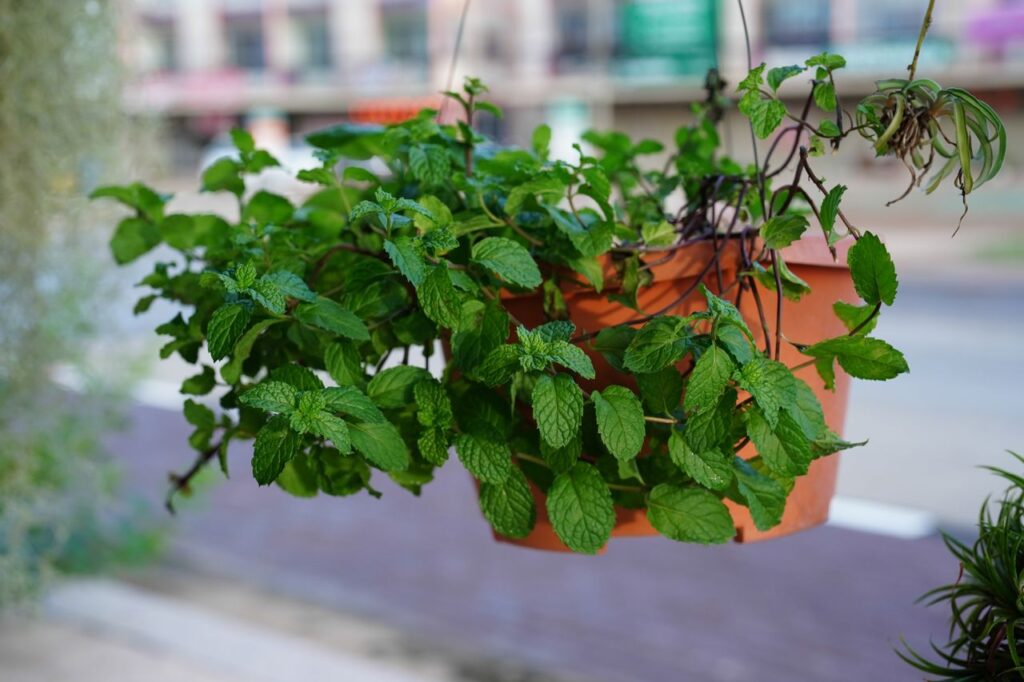
Plant division is one of the easiest ways to turn one established plant into several new ones.
Instead of waiting for seeds or trying to root a stem cutting, you separate an existing plant into smaller sections, making sure each new section has enough roots and growing points to survive on its own.
This method works particularly well with plants that naturally form:
clumps,
crowns,
offsets,
runners,
bulbs,
or rhizomes.
For Malaysian home gardeners, division can be especially useful for plants such as lemongrass, mint, chives, some ornamental grasses, and many other clumping or spreading plants.
What Does Propagation by Division Mean?
A mature clumping plant often consists of several individual growing points sharing one larger root system.
When you divide it, you carefully separate those growing sections.
Each piece is then replanted as an independent plant.
This is different from stem-cutting propagation because the new plant already has roots attached.
That usually gives it a useful head start.
The new division does not need to produce an entirely new root system from nothing.
Which Plants Can Be Divided?
Division works best with plants that naturally expand sideways.
Good candidates may include:
lemongrass,
mint,
chives,
some perennial herbs,
ornamental grasses,
certain ferns,
and plants that grow from spreading rhizomes.
Some plants also produce offsets or “pups” beside the parent plant that can be separated once they have developed their own roots.
However, division does not work for every plant.
A single-stem chilli or tomato plant cannot simply be cut into three rooted sections and expected to become three plants.
For those crops, seeds or other propagation techniques are more appropriate.
Lemongrass Is an Excellent Example
Lemongrass naturally forms dense clumps.
As the plant matures, more shoots emerge around the original stems.
A large established clump can often be lifted and separated into several smaller groups.
Each division should include:
several healthy stems,
a portion of the root system,
and firm basal growth.
Those divisions can then be replanted into individual pots or different areas of the garden.
This is one of the easiest ways to multiply lemongrass without starting from seed.
Mint Can Also Be Divided
Mint spreads aggressively through underground and surface-running stems.
An established pot can become filled with multiple rooted shoots.
Instead of discarding excess growth, you can lift sections containing both stems and roots and move them into another container.
Because mint spreads so readily, division can be almost too successful.
If you do not want mint taking over a garden bed, keep the new divisions inside containers.
Divide Healthy Plants
Do not divide a plant simply because it is struggling.
Start with a reasonably healthy parent plant.
Avoid plants with:
severe pest infestations,
major root rot,
extensive fungal disease,
or extreme drought stress.
Division already places some stress on the roots.
A healthy parent plant is much better equipped to recover.
If the plant is badly unhealthy, solve the underlying problem first whenever possible.
Water Before Dividing
Water the parent plant beforehand if the soil is dry.
Moist soil is easier to work with and helps keep roots hydrated during the process.
You do not need to turn the pot into mud.
The root ball should simply be comfortably moist.
This is especially important in Malaysia’s heat, where exposed roots can dry quickly if division is carried out in full sun.
Work During Cooler Conditions
Early morning or late afternoon is usually more comfortable for division.
Avoid leaving exposed roots sitting under intense midday sun.
If you are dividing several plants, work in small batches.
Lift the plant.
Divide it.
Replant the sections.
Then move to the next one.
Do not uproot ten plants and leave them drying on the ground while you prepare pots.
Remove the Plant Carefully
For a container-grown plant, gently loosen the pot and slide the root ball out.
If the plant is stuck, tap or squeeze the sides of the container.
Do not pull aggressively on the stems.
For plants growing directly in the ground, dig around the clump rather than immediately cutting through the centre.
Try to preserve as much of the root system as practical.
Once the clump is lifted, you can see more clearly where natural divisions occur.
Look for Natural Separation Points
Many clumping plants practically show you where they want to be divided.
You may see:
separate crowns,
groups of stems,
rooted runners,
individual shoots,
or rhizome sections.
Try to follow these natural boundaries.
Gently pull sections apart with your hands where possible.
If roots are extremely dense, use a clean sharp knife, pruning saw, or secateurs depending on the size of the plant.
Make clean cuts rather than repeatedly tearing tissue.
Each Division Needs Roots and Growing Points
This is one of the most important rules.
A useful division generally needs both:
a viable growing point above or near the soil surface
and
enough healthy roots to support it.
A loose handful of roots with no buds or shoots may not produce a new plant.
Likewise, a stem with no useful roots may behave more like a cutting and require an entirely different propagation process.
When dividing, think of each piece as a miniature complete plant.
Do Not Make the Divisions Too Small
You may be tempted to turn one clump into twenty tiny pieces.
That does not always improve your results.
Very small divisions have fewer roots and less stored energy.
They can take longer to establish and may be more vulnerable to heat and moisture stress.
For beginners, slightly larger divisions are generally more forgiving.
Once you become familiar with how a particular plant responds, you can experiment with smaller sections.
Trim Only When Necessary
If the plant has a very large amount of foliage but relatively few roots after division, reducing some of the top growth may help balance water loss.
This can be useful with certain large clumping plants.
But do not automatically remove most of the foliage from every division.
Leaves are still needed for photosynthesis.
Remove damaged, yellow, or badly wilted material and keep enough healthy growth for the plant to recover.
Prepare the New Growing Area Beforehand
Have the new pots or garden spaces ready before separating the parent plant.
Use suitable soil or potting mix for the species.
Make sure containers have drainage holes.
Create planting holes large enough to accommodate the roots without folding or crushing them.
Preparing first means the divisions spend less time exposed to warm air.
Replant at the Correct Depth
Try to replant each section at approximately the same depth it was growing previously.
Do not bury the crown excessively.
Likewise, do not leave roots exposed above the soil.
Spread the roots naturally where possible.
Fill soil gently around them and firm it lightly.
You want good soil contact without compacting the root zone.
Water Immediately After Replanting
Once the divisions are planted, water them thoroughly.
This helps settle soil around the roots and removes large air pockets.
For pots, allow excess water to drain.
Do not keep the newly divided plants permanently saturated.
They need consistent moisture while establishing, but the roots still require oxygen.
Temporary Shade Can Help
Freshly divided plants may lose some roots during separation.
That means they can temporarily struggle to replace water lost through their leaves.
In hot Malaysian conditions, a few days of gentler light can reduce stress.
Place newly divided pots in bright shade or protect them from the harshest afternoon sun where appropriate.
Once new growth appears and the plants recover, gradually return them to the normal light conditions required by that species.
Do Not Fertilise Heavily Immediately
Fresh divisions do not need a strong fertiliser treatment on day one.
Their first job is root recovery.
Concentrated fertiliser around damaged roots can create additional stress.
If the growing medium already contains suitable nutrients, wait until the plant begins establishing and producing healthy new growth before returning to a normal feeding programme.
More fertiliser does not make division wounds heal faster.
Watch the Moisture Closely
For the first week or two, check the root zone regularly.
New divisions may dry faster because their root systems are smaller.
At the same time, overwatering can cause roots to rot.
Keep the growing medium evenly moist without keeping it continuously waterlogged.
During rainy Malaysian weeks, you may need to water very little.
During hot, windy weather, check more often.
Let the soil conditions guide you.
How Do You Know the Division Has Worked?
Successful divisions gradually become firm and begin producing fresh growth.
You may notice:
new leaves,
new shoots,
better upright growth,
or roots beginning to hold the growing medium together.
Some temporary wilting after division can be normal.
What you want to see is gradual recovery rather than continued decline.
If the plant keeps collapsing despite moist soil, severe root damage, rot, or unsuitable conditions may be involved.
When Should Plants Be Divided?
The best timing depends on the plant.
In temperate gardening guides, you may often see recommendations based on spring and autumn.
Those seasonal rules do not always translate neatly to tropical Malaysia.
For Malaysian home gardeners, it is often more useful to think about plant condition and weather.
Avoid dividing during extreme heat if possible.
A period of moderate weather with manageable rainfall makes establishment easier.
For container plants, you also have more flexibility because they can be moved temporarily into shelter.
Division Can Revive an Overcrowded Pot
Propagation is not the only reason to divide plants.
A mature clumping plant can eventually become overcrowded.
The centre may weaken.
Water may struggle to penetrate the root mass.
The pot may become almost entirely filled with roots.
Dividing the plant gives each new section more room and can refresh the original pot.
Instead of moving one enormous clump into an even larger container, you can sometimes create several manageable plants.
Clean Your Tools Between Plants
If you use a knife or secateurs to cut through roots or rhizomes, keep the tools clean.
This is particularly important if one plant shows possible disease symptoms.
Dirty blades can move pathogens from one plant to another.
Clean tools also make smoother cuts that cause less unnecessary tissue damage.
Division vs Stem Cuttings
Both methods create more plants, but they work differently.
With stem cuttings, you remove a stem that usually has no roots and encourage it to grow a new root system.
With division, each new plant already receives part of the existing root system.
That often makes division quicker and more reliable where the plant naturally grows in clumps.
If a plant can be easily divided, there may be little reason to take dozens of cuttings unless you specifically want to.
A Simple Division Routine
For a beginner, the process can be kept very straightforward.
Choose a healthy, established clumping plant.
Water it beforehand.
Prepare new pots or planting areas.
Lift the parent plant carefully.
Identify natural groups of stems and roots.
Separate them by hand or with a clean tool.
Make sure each division has healthy roots and a growing point.
Replant immediately.
Water thoroughly.
Give temporary protection from harsh conditions.
Then monitor moisture until new growth appears.
That is all many plants need.
At the end of the day, propagation by division is one of the fastest ways to multiply plants that already want to spread. Instead of asking a rootless stem to start from scratch, you are giving each new plant a ready-made piece of the existing root system. For Malaysian gardeners growing clumping herbs, lemongrass, mint, ornamental grasses, and similar plants, division can turn one overcrowded pot into several healthy plants in a single afternoon — provided the roots are handled gently and the new divisions receive steady care while they establish.
Have a lemongrass clump, mint pot, herb, or ornamental that looks ready to become two, three, or even more plants? Tag @projectharvest.my on Instagram and show us the parent plant, the roots after you divided it, and how the new plants settle into their pots. We would love to see how Malaysian gardeners turn one established clump into an entire new generation of plants.